

China bars unapproved issuance of renminbi stablecoins abroad
Beijing’s move comes at a time of elevated volatility in crypto markets
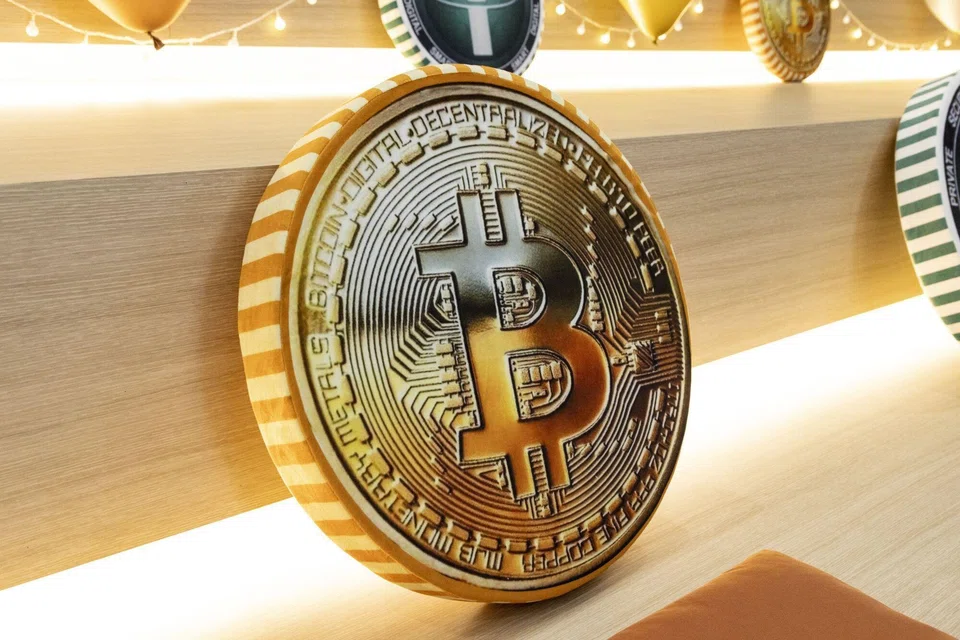
[BEIJING] China tightened curbs on cryptocurrencies and tokenized real-world assets, barring domestic entities from issuing digital tokens overseas and banning the offshore issuance of renminbi-linked stablecoins without approval.
The People’s Bank of China and seven other agencies said in a joint notice on Friday (Feb 6) that onshore firms, as well as offshore entities they control, may not issue cryptocurrencies abroad unless authorised by relevant authorities. The regulators also said that no institution or individual may issue stablecoins linked to the renminbi overseas without approval, citing risks to monetary sovereignty.
“Speculation involving cryptocurrencies and real-world asset tokenization has occurred from time to time amid multiple factors, presenting new challenges for risk prevention and control, and necessitating stronger regulation to safeguard national security and social stability,” the regulators said in the notice.
The Chinese authorities also reiterated Beijing’s long-standing stance that cryptocurrencies including Bitcoin, Ether and stablecoins have no legal status equivalent to fiat money, and related business activities in the mainland constitute illegal financial activity. Offshore entities are also prohibited from illegally providing crypto-related services to onshore clients, the regulators added.
The regulators also boosted scrutiny of real-world asset tokenization, saying such activities – including the related intermediary and technology services – could amount to illegal fundraising and are banned unless explicitly approved under designated financial infrastructure.
Beijing’s move comes at a time of elevated volatility in crypto markets. Bitcoin has lost nearly half its value since peaking in early October, leading a rout that’s erased almost US$2 trillion from wider cryptocurrency markets. BLOOMBERG
Decoding Asia newsletter: your guide to navigating Asia in a new global order. Sign up here to get Decoding Asia newsletter. Delivered to your inbox. Free.
Share with us your feedback on BT's products and services
TRENDING NOW

Good Class Bungalow market activity picks up pace on ‘realistic’ pricing
Indonesia imposes US$116 million in fines over manipulation of Sinar Mas, Prajogo-linked stocks

Singapore identifies 7 firms responsible for haze fires, notices issued urging action: Grace Fu

Once staunchly pro-China, Malaysian Chinese businesses are now distancing themselves from Beijing

