

US Senate Banking delays crypto bill after Coinbase CEO opposition
The legislation seeks to define when crypto tokens are securities, commodities or otherwise
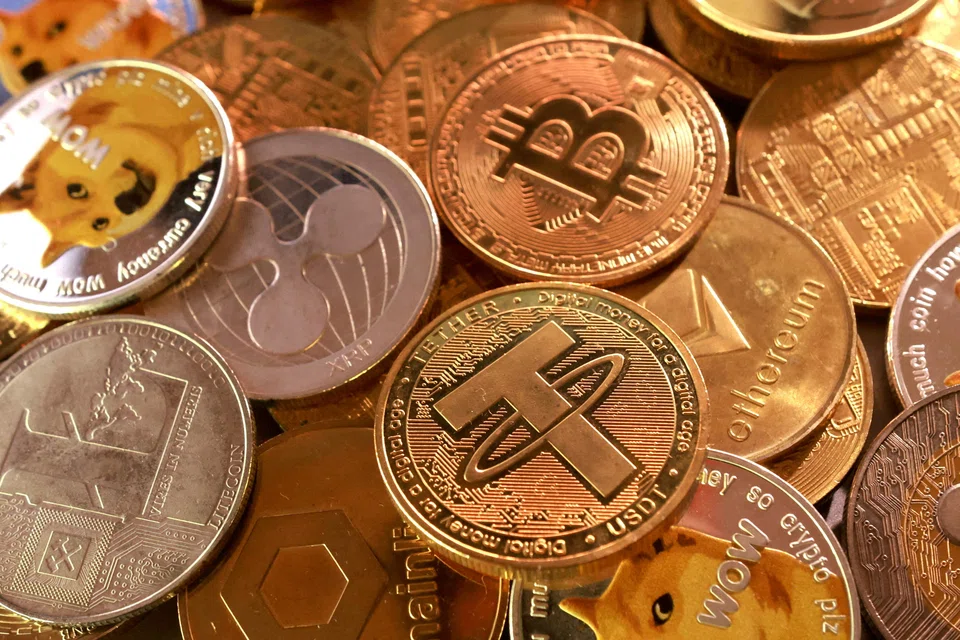
[BENGALURU] The United States Senate Banking Committee said on Wednesday (Jan 14) that it postponed a discussion of draft legislation that would create a regulatory framework for cryptocurrencies, hours after Coinbase CEO Brian Armstrong voiced his opposition to the bill.
The legislation, unveiled on Monday, seeks to define when crypto tokens are securities, commodities or otherwise and would also hand policing of spot crypto markets to the Commodity Futures Trading Commission (CFTC).
“I have spoken with leaders across the crypto industry, the financial sector, and my Democratic and Republican colleagues, and everyone remains at the table working in good faith,” Senate Banking Committee Chairman Tim Scott said, while announcing the postponement of the discussion that was scheduled for Thursday.
In a post on X earlier in the day, Armstrong expressed his opposition to the legislation and said that Coinbase could not support it in its current form.
Without the backing of Coinbase, it is unclear if the markup of the bill can proceed. The firm donated millions of US dollars to political action committees (PACs) aimed at getting pro-crypto candidates elected in 2024, and has been a key stakeholder in the bill negotiations.
Armstrong said the bill had “too many issues”, including a de facto ban on tokenised equities, an erosion of the CFTC’s authority and draft amendments that would “kill rewards on stablecoins”.
CFTC did not immediately respond to a Reuters request for comment.
Cryptocurrencies need to be treated on a level playing field with other financial services, Armstrong said.
“We’d rather have no bill than a bad bill,” the Coinbase CEO said, adding that he is “quite optimistic that we will get to the right outcome with continued effort.”


The bill, which could change as senators consider amendments, prohibits crypto companies from paying interest to consumers solely for holding a stablecoin.
However, it allows crypto firms to pay rewards or incentives to customers for certain activities, such as sending a payment or participating in a loyalty programme. REUTERS
Decoding Asia newsletter: your guide to navigating Asia in a new global order. Sign up here to get Decoding Asia newsletter. Delivered to your inbox. Free.
Share with us your feedback on BT's products and services
TRENDING NOW

LTA proposes combining car COE categories, adding rebate-surcharge system

StarHub to acquire MyRepublic’s mobile business amid ongoing telco consolidation

DBS, OCBC, UOB rout lops billions off STI as inflation, rate concerns spook investors

Grab CEO’s wife Chloe Tong on life with Anthony Tan and finding her purpose

