

Engagement is key to capturing ‘green premium’ in sustainable investing
 Add BT as a preferred source
Genevieve Cua
THE trend to invest sustainably is irreversible, and the substantial inflows to date into sustainable funds are an opportunity for capital to make an impact in environmental and social issues, said HSBC Asset Management (HSBCAM) global chief investment officer Xavier Baraton.
Last year the firm launched as many as 26 sustainable funds across the equity, fixed income and asset allocation segments. “We rank among the top five large asset managers in terms of net new monies in 2022,” he noted.
A “large majority” of net inflows last year of US$45 billion has gone into sustainable funds. HSBCAM managed a total of roughly US$617 billion as at end-December.
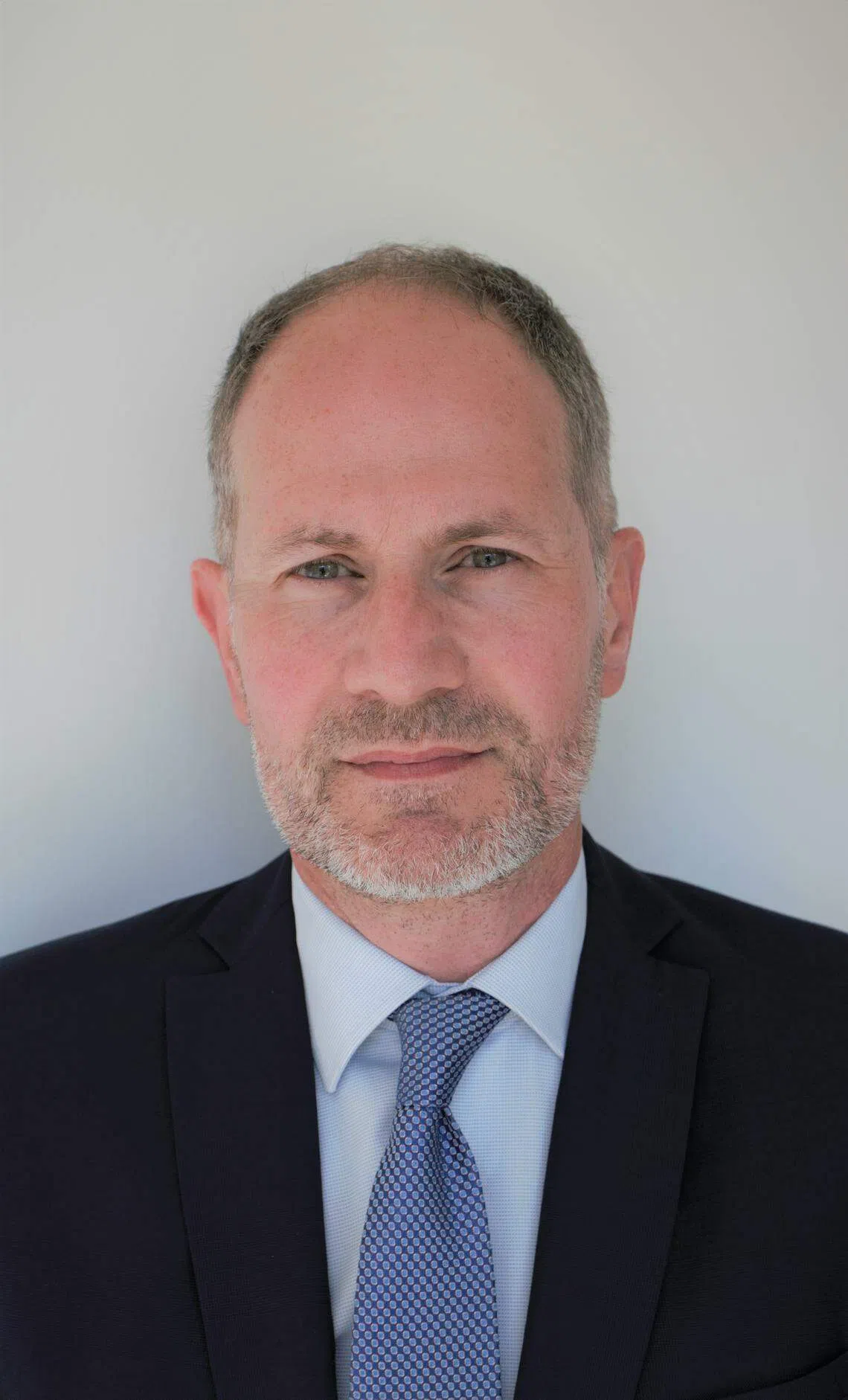
Baraton said that the company believes that engagement is a key strategy by which investors can harness the so-called green premium, or the excess return from investing sustainably. “Engagement is really the role that asset managers like ourselves seek to play to connect sustainability to alpha generation,” he added.
“Investors are looking for companies that are reducing their carbon intensity, but more than that – reducing at a much faster rate than the industry trajectory. If you can spot these companies early, you have a good chance to take advantage of risk compression.”
The company undertakes over 5,000 engagement actions annually. It has identified seven key areas of focus, including climate change and biodiversity. In climate change, example, it encouraged companies to set interim targets towards net-zero emissions, improve their emission disclosures and provide climate key performance indicators.
As a company, HSBCAM has committed to exclude thermal coal companies in its active funds in the European Union and the Organisation for Economic Co-operation and Development by 2030, and globally by 2040. It has initially set a target of 38.2 per cent of its assets under management to be administered in line with net zero.
Engagement on its active and passive holdings is part of its coal policy. If engagement proves unsuccessful, the company will not vote for the re-election of chairs with more than 10 per cent revenue exposure to thermal coal. It will also vote against chairs whose company transition plans remain inadequate, even after engagement.
“The alternative to engagement is exclusion, and the problem with that is you don’t necessarily solve systemic problems. It’s better to try to obtain some acceleration and change,” Baraton said. He added that the company’s coal policy is among the most ambitious among asset managers, and may eventually lead to avoidance of certain companies.


Meanwhile, it expects the market to remain choppy over the next six to 12 months, “with noisy economic data and data-dependent policy guaranteeing further market volatility”. Its house view is for a defensive asset allocation, and favours short-duration fixed income and a “high-quliaty bias” in credits.
Decoding Asia newsletter: your guide to navigating Asia in a new global order. Sign up here to get Decoding Asia newsletter. Delivered to your inbox. Free.
Copyright SPH Media. All rights reserved.
TRENDING NOW

Tiger Brokers, Moomoo, Longbridge Singapore units ‘financially independent’ amid China crackdown: MAS

Yeo’s, Tiger Beer and now Gardenia – flight of food manufacturing from Singapore might be just as planned

Johor property old hand KSL readies family handover amid market boom

As India and China surge ahead with nuclear energy, all eyes on Asean’s next move

