
Fed pivot sparks market rallies, but upside risks to inflation remain
 Add BT as a preferred source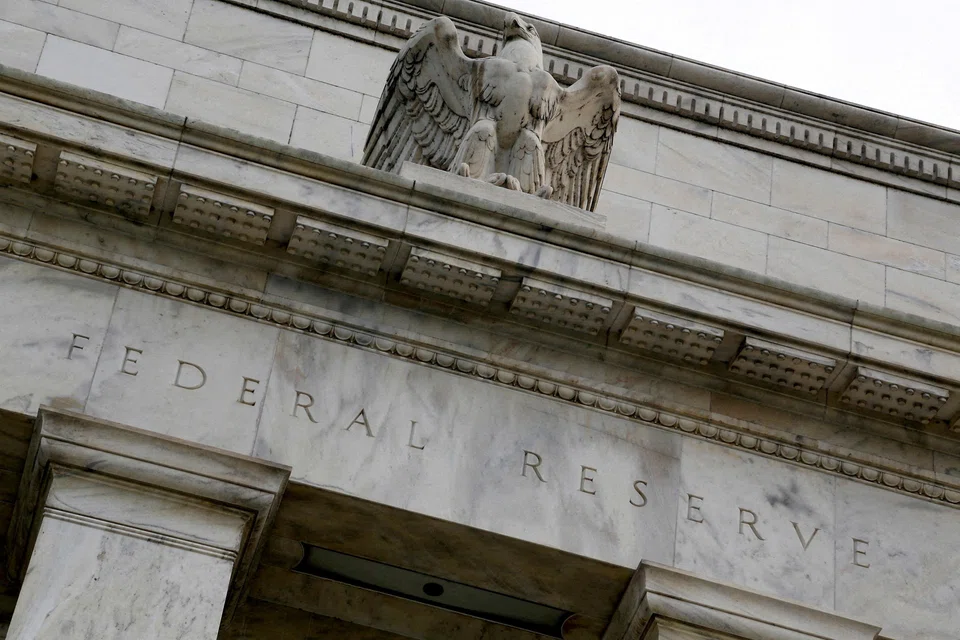
WHAT a difference a single Fed meeting has made. Markets are on a tear, days after the US Federal Reserve met for the last time this year. In that meeting, the Fed left the federal funds rate unchanged for the third time, set to a range of 5.25 to 5.5 per cent. But what has stoked markets is that updated quarterly projections show that Fed officials expect borrowing costs to be lower at 4.6 per cent by end-2024, compared to their earlier estimate of 5.1 per cent. This implied rate cuts of a total of 75 basis points in 2024.
Investors have spent the best part of the year speculating on when policy reins would begin to loosen. The tone of the Fed’s statement was more dovish than expected, even though Fed chair Jerome Powell sought a middle ground. He said that while the Fed did not see it appropriate to raise rates further, “neither do (officials) want to take the possibility off the table…” Markets, however, are looking beyond this. The futures market is pricing in six rate cuts, of up to 1.5 percentage points – twice the Fed’s indication.
To be sure, there are reasons to be optimistic. An economic soft landing in the US has largely become the base case. A soft landing means that tighter policy induces slower growth, but not to the point of a recession. So far, the economy has proven more resilient than expected. US gross domestic product growth is likely to come in at around 2.5 per cent in 2023, slowing to 1.4 per cent in 2024. Inflation is also approaching the Fed’s 2 per cent target. Core inflation is expected to ease further to 2.4 per cent in 2024 and 2.2 per cent in 2025.
So far, so good. Treasury yields have dropped; 10-year Treasuries now stand at 3.92 per cent, against 4.2 per cent just a week ago. Stocks are approaching new highs. The Dow Jones Industrial Average is at record highs. The S&P 500, which has been rising in the past couple of months, is also nearing the record high hit in January 2022. For corporates, lower rates will be a welcome respite, at a time when US$3 trillion of debt is due to be refinanced between 2024 and 2028.
It would be a mistake, however, to believe that the coast is clear. Higher rates typically take time to wend their way into the economy. In an analysis of 10 rate-hiking cycles since 1950, BlackRock found that it was not unusual for the economy to remain strong throughout the cycle. Only much later – as long as two years later – would growth begin to weaken. There is uncertainty whether the US consumer would continue to spend, as student loans resume, and household savings and government fiscal support decline.
Even amid the disinflationary trend, there is still upside risk to inflation, which could arise from energy prices and supply chain issues. The current snarls to logistics and shipping caused by Yemeni rebel attacks in the Red Sea is a case in point, threatening consumer goods prices. Climate change is another wrinkle as extreme weather could raise food prices. Geopolitical risk also looms large next year, and a series of elections globally promises market volatility. Investors would be prudent to hedge their bets even as they ride the current bull market.
Decoding Asia newsletter: your guide to navigating Asia in a new global order. Sign up here to get Decoding Asia newsletter. Delivered to your inbox. Free.
Copyright SPH Media. All rights reserved.

