Food for thought: Consumer staples to fortify your portfolio in recession
AMID last year’s drawdowns and volatility in the US equity market, the consumer staples sector stands out for its resilience. The S&P 500 Consumer Staples Index has fallen just 3 per cent (in US-dollar terms), compared to the broader index’s fall of 14 per cent since the start of 2022.
As we move into Q2 2023, we believe that US stocks continue to face a bumpy ride ahead, with a recession increasingly likely. But investors can continue to look towards defensive names within the consumer staples sector to buffer their portfolios against a recession.
The consumer staples sector differentiates itself from other sector peers in a recessionary environment due to its earnings resiliency. Many goods in the sector tend to have low product elasticity, and are non-cyclical since they are regarded as essential for daily life.
Their earnings thus tend to be more predictable, and less sensitive to business cycles. Historically, consumer staples registered one of the smallest earnings declines and one of the strongest price performances relative to other sectors over the past 30 years, across the last four US recessions. This outstanding track record lends credence to the sector’s price and earnings stability in a recession.
In addition, we observe a growing “trade-down” trend, where high inflation and a squeeze in disposable income have forced US consumers to move towards cheaper and more value-for-money goods. This is reinforced by Bureau of Economic Analysis consumer spending data, which also suggests that non-durables spending is increasing faster than durables spending.
Many companies in this sector have capitalised on the trend to market their products as being suitable for the budget-conscious consumer. This has helped to support sales volumes. Hence, it is unsurprising that analyst estimates and company guidance for the upcoming years have generally remained robust.
Many consumer-staples companies have also displayed strong pricing power, due to the low product elasticity of their goods and strong branding. This means consumer demand should broadly remain anchored, which in turn translates into more resilient revenues. It also means that many consumer-staples companies will likely have room to cut marketing expenses.
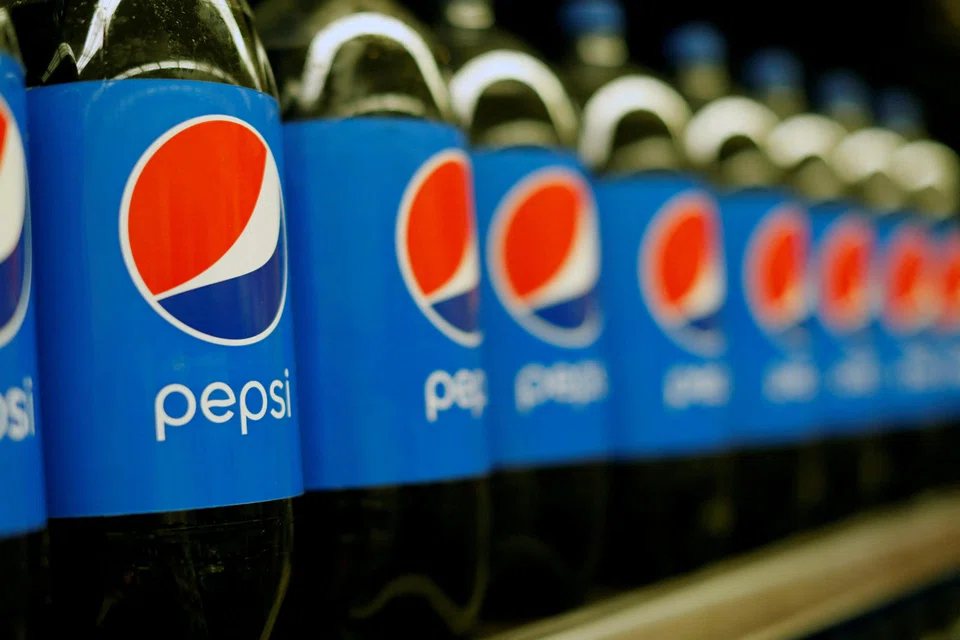
We already observed selling, general, and administrative (SG&A) expenses across the sector falling in 2022 (from 2021). The layoffs observed in many mega-cap consumer staples such as PepsiCo also suggest a willingness to adopt harsh measures to remain cost-efficient.
With the combination of supported revenue growth and continued cost cuts, we think that consumer-staple names will likely be able to protect their margins well. The sector has historically displayed one of the most stable gross margins relative to other sectors. The combination of strong pricing power, less-volatile sales volume, and potentially a slower rise in material costs is likely to help companies defend their margins in the quarters ahead.
Markets also appear to have acknowledged this story of resilience, with valuations looking fair. The consumer-staples sector currently trades at a forward price-to-earnings ratio of just over 20 times, close to its five-year historical average. However, we believe that as the macro outlook in the US deteriorates, the earnings resiliency within consumer staples should pull through and keep valuations anchored, while the continued reallocation from cyclical to defensive sectors could also help to support stock prices.
Based on these arguments, there are strong reasons to believe that fundamentals for consumer-staples companies could remain more resilient than the market during a recession.
The sector could thus serve as a bedrock for your portfolio in anticipation of a US recession. Investors could consider the Consumer Staples Select Sector SPDR Fund for a broad exchange-traded-fund exposure to the largest consumer staples companies listed in the US, many of which are industry leaders in their own right.
Alternatively, investors looking for more niche exposures may look deeper into the snacks-and-beverages segment. Many of these companies are prime beneficiaries of the “trade-down” trend, given their ability to easily adjust product sizes, keeping prices relatively affordable while preserving their margins.
In addition, we think that these companies can benefit from pandemic-led snacking habits, as hybrid work arrangements allow consumers to snack while they work from home.
Investors can consider investing in mega-cap market leaders in the snacks-and-beverages sector, which have the pricing power to remain robust in an inflationary environment. In this sector, we recommend established household brands like PepsiCo and Mondelez, which have strong branding, pricing power, and steady cash flows and dividends.
The writer is a research analyst with the research and portfolio management team at FSMOne.com, the B2C division of iFAST Financial. The latter is the Singapore subsidiary of iFAST Corporation.