Gold’s shine is a mirage
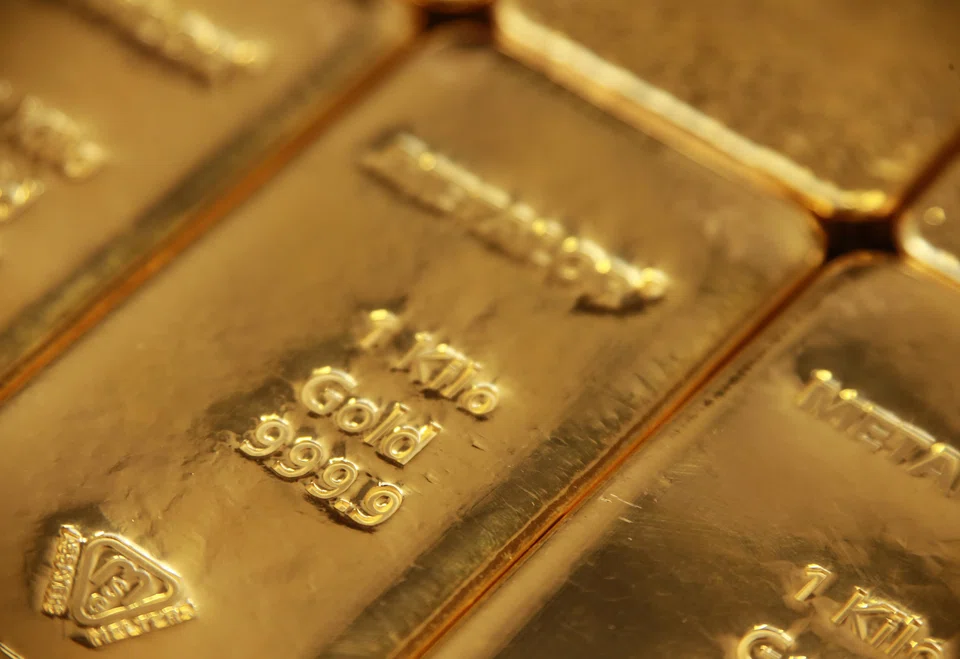
WHAT is more volatile than stocks, with lower returns than bonds? Give up? Gold, the legendary metal nearing all-time highs and generating bullish headlines and forecasts worldwide.
Even the West’s formerly high-flying crypto crowd is enticed by gold’s shiny promises of high returns. Beware: Good gold returns require impeccable market timing – otherwise, long-term pain ensues. If you can’t time stocks, skip gold. Let me empirically show you why.
First, to be clear, I mean individual investors holding gold for the long term, not central banks purchases, like the PBOC’s. The People’s Bank of China has made big gold buys in 2023, including an 18-tonne increase in March. But central banks deal with considerations and time horizons individual investors don’t.
Building gold stockpiles may make sense for them. In the PBOC’s case, it is seemingly trying to reduce dollar dependence and add to international credibility – worthy goals.
But gold’s recent glitter is attracting more than central banks. Individual investors from Hangzhou to Houston are bullish on bullion. Shanghai Gold Exchange withdrawals surged as jewellery demand hit the highest since 2015 on reopening, central bank buying rose and ETF inflows jumped.
That appeal parallels gold’s 9.3 per cent 2023 rise in US dollars (the global benchmark price) through early May, returning to above US$2,000 per ounce. Its price in yuan is similarly up 9.7 per cent year-to-date, eclipsing 14,000 yuan per ounce. With the 2021-2022 bear market, global uncertainty from the war in Ukraine, stubborn inflation and bank worries, many investors now see this supposed “safe haven” as an alluring hedge.
But before buying gold, understand how it behaves. It is a commodity, without earnings, adaptability, or dividends. During the two decades through 2022, gold averaged a 7.7 per cent annualised return in yuan.
Sounds good? Consider this: Chinese stocks returned 9.7 per cent annualised over that same stretch. When compounded over 20 years, that difference widens exponentially – a 100,000 yuan investment in gold climbed to about 444,000 yuan. Stocks? Nearly 200,000 yuan more to about 637,000 yuan.
Globally, long-term gold returns stretch back to 1974, when the last vestiges of the gold standard vanished in the West. That was nearly 30 years before the Shanghai Gold Exchange was founded, enabling Chinese investors to trade bullion.
Consider US returns. From 1974 through 2022 year-end, gold returned 5 per cent annualised in dollars. US 10-year Treasury bonds beat that, annualising 6.7 per cent total returns. The S&P 500 Index more than doubled gold, returning 11.9 per cent annualised.
Gold’s low returns might make sense if it had low volatility. It doesn’t. Consider one-year standard deviations in US dollars – a measure of yearly volatility in their average returns. US bonds’ standard deviation is expectedly low at just 8.3 per cent. Famously volatile, US stocks’ standard deviation is high at 15.2 per cent. But gold tops them both with 18.6 per cent.
Low returns with high volatility pinpoints a stark truth: To shine in gold, market timing is key. Gold’s gains can be big, but only sporadically, and with long stagnations and declines in between.
The recent pop above US$2,000 per ounce illustrates this, with gold only now nearing its August 2020 peak of US$2,067 – 32 months later and it is almost flat. US stocks are up 26.6 per cent over the same period, and that is despite 2022’s bear market. While Chinese stocks are down, world stocks are up 19 per cent in dollar terms and 18.5 per cent in yuan.
Consider starker examples. After a late 1970s boom, gold peaked at US$850 in January 1980. It didn’t get that high again for 28 years until January 2008. But first it dropped 56 per cent over two years, gained 50 per cent in 18 months, fell 35 per cent in three years, rose 55 per cent over four years and fell steadily the next eight years to 2001 – another 46 per cent down.
That next boom pushed gold’s record high to US$1,895 in 2011, 31 years later. Most analysts presumed even more gains lay ahead, especially with the sovereign debt among the eurozone’s poorer economies and banking fear exploding, while Chinese stocks endured a bear market.
No. Gold dropped – 44.6 per cent through 2015’s low, not regaining US$1,895 until 2020. If you can time that volatility you need no advice from me about anything. But most can’t. They buy gold high and sell low after enduring frustration.
Want an example closer to home since gold trading began? Examine its fluctuations since Covid-19 hit. From mid-March 2020 through Aug 6 that year, it roared 38 per cent higher in yuan terms. Many thought world central banks’ huge spending sprees, supposedly “lofty” stock valuations and still-flaring Covid fears augured further gains. Instead, gold dropped 23 per cent in the ensuing nine months before beginning to climb again.
So, timing gold is key, and bad entry points abound. Again, using US data for its longer history, gold’s returns are positive in only just over half of rolling 12-month periods since 1974. US stocks rose 81 per cent in the same periods.
Growth, innovation, and increased productivity all raise companies’ collective earnings over time, driving stocks higher. But with little industrial utility outside jewellery, gold’s fluctuations stem mostly from sentiment swings, which defy timing.
So, if gold has your eye, ask yourself why. For many, it is the recent glittery returns. Chasing heat is a bad reason to buy anything. Some insist it is about inflation or bear market hedging.
But 2022 disproves those rationales. Gold initially climbed after the Ukraine war started. But after about two weeks, it plummeted, falling alongside stocks to a slightly later bottom. Markets know companies can increase prices during inflationary periods to maintain profit margins – which is exactly what happened last year. Gold can’t.
So now after paralleling stocks’ slide for most of 2022, gold’s 18.2 per cent climb in yuan since October’s end lags Chinese stocks’ 28.2 per cent rise. And, crucially, real market hedges don’t move parallel with stocks.
Finally, rethink gold’s long profitless periods. Chinese inflation hasn’t been negative since 2002. It rose every year between gold’s highs in 2011 and 2020. Gold lost purchasing power to inflation then – it didn’t hedge. Why? Because there is no valid reason for it to.
Gold stocks? They may offer dividends, while adding the magic of capitalism to the commodity. But as a group they are, again, more volatile than broader markets, typically rising the most in early equity bull markets and usually acting like smaller value stocks.
In my 51 years of managing money, I have seen no one with a reliable history timing gold’s sentiment-driven swings profitably relative to alternatives and volatility. If you can, more power to you. But for most investors, stocks and bonds are simply better. CAIXIN GLOBAL
Ken Fisher is the founder and executive chairman of Fisher Investments