

Heal Partners launches second PE health and education fund, aims to raise up to US$500m
Firm says valuations of target companies have become compelling. It expects 2023 to be a good vintage for funds investing in health and education
 Add BT as a preferred source
Genevieve Cua
HEAL Partners, a private equity (PE) firm investing in growth companies in the healthcare, education and lifestyle sectors, has closed fundraising for its first fund – Heal Fund I – at A$200 million (S$183 million), double the initial target size.
It has launched a second fund, Heal Fund II, for which it hopes to raise between US$350 million and US$500 million. The current environment of higher interest rates and declining public market have made PE fundraising an uphill climb, but Heal’s managing partner Martin Robinson is unfazed.
Robinson says valuations of target companies are currently “compelling’’, and investments with education and healthcare themes benefit from strong demographic and economic tailwinds.
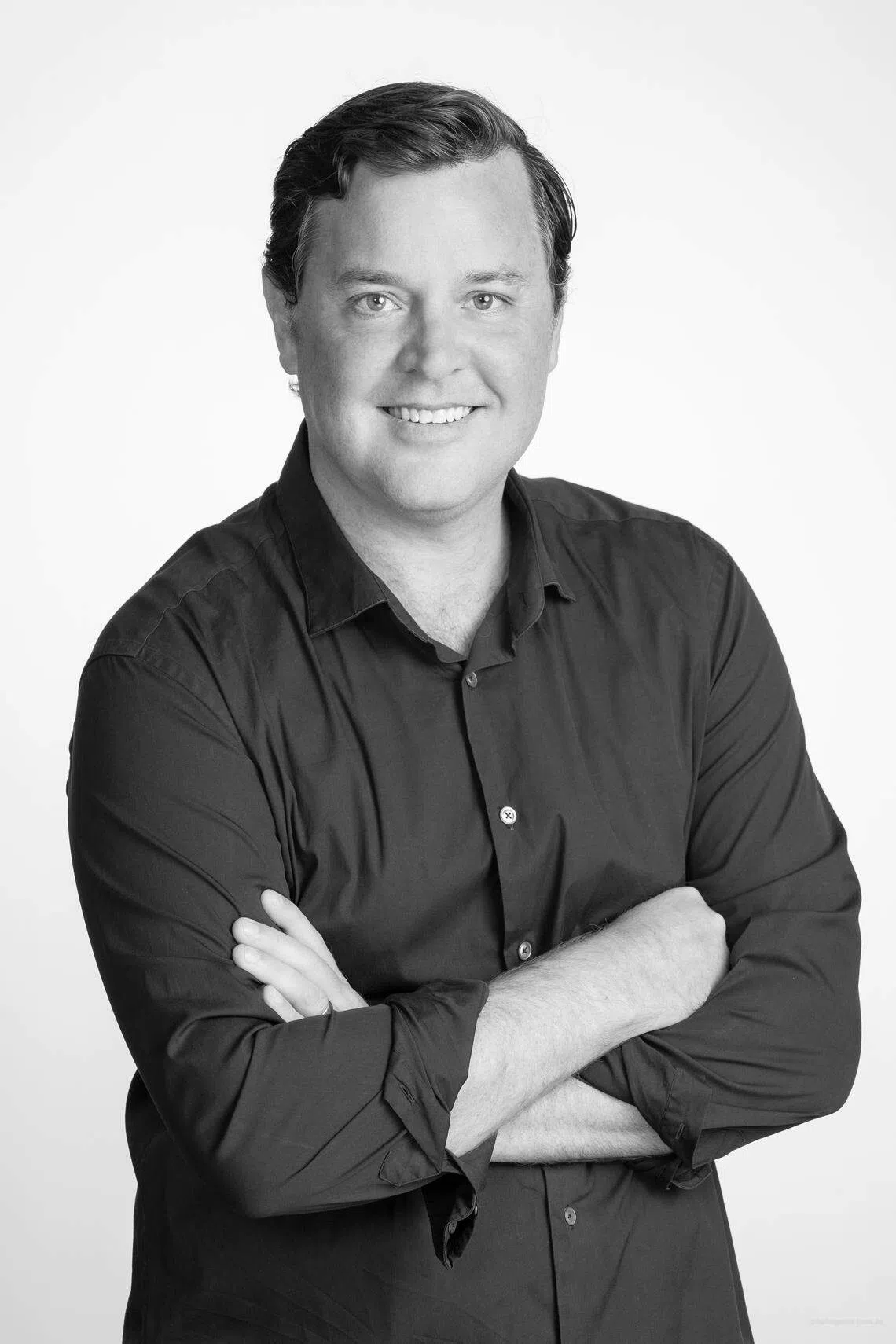
“I think it’s the best time since the global financial crisis to invest in health and education, particularly in Asia where you have big, emerging and growing middle-class populations. In a downturn people prioritise their spending, and health and education are at the top of their list... We’re seeing the most compelling valuations, and that’s the best starting point. The vintage of a fund is highly correlated to investor returns. I think 2023 is going to be a good vintage...
“For our existing portfolio companies and new investment companies, we see the next 12 to 24 months as a real opportunity to grow their market positions, whether through organic growth or well-priced acquisitions.’’
He adds: “One of the things we love about health and education is the chance to create significant value for our investors, and at the same time generate a positive social impact.”
Heal is headquartered in Australia; its investment team is based in Singapore.
Heal has roped in Dr Jeremy Lim, director of global health at the National University of Singapore Saw Swee Hock School of Public Health, to its strategic advisory committee. Dr Lim says Heal’s track record and the expertise in its advisory committee make it “a unique and compelling proposition for me”.
“I expect Heal to make further forays into the dynamic healthcare sector in the region.”

Dr Lim is chief executive and co-founder of Amili, the first gut microbiome company in South-east Asia.
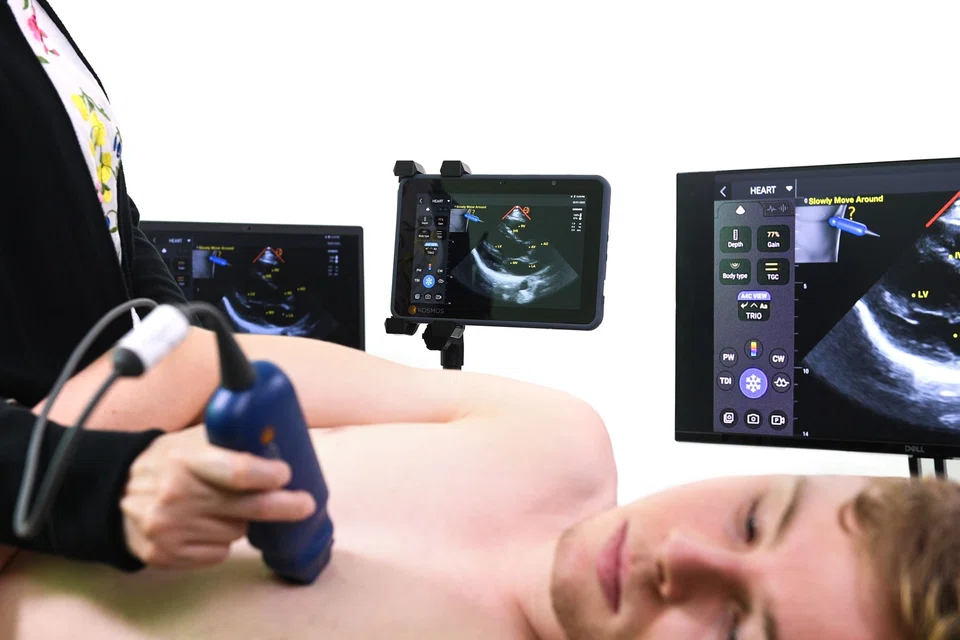
To date, Heal Fund I has deployed over A$170 million of the A$200 million raised. The remaining capital is reserved for follow-on opportunities in the existing portfolio, which include a number of Asian companies. For instance, Us2.ai is a Singapore-based medtech firm which uses artificial intelligence to automate the reading of echocardiograms, generating accurate results within a couple of minutes. It also invested in Indonesian digital health firm Halodoc, which connects patients in Indonesia with over 20,000 doctors and 4,000 pharmacies. Halodoc founder Jonathan Sudharta is also on Heal’s strategic advisory committee.
Heal’s founding partners – Robinson, Peter Chapman, Mark Evans, Chris Chambers and Martin Dalgleish – boast a deep bench of experience as investors and entrepreneurs. Three portfolio companies in Fund 1 were founded by some of the partners. These are Removery, a tattoo removal service; The Fertility Partners, which runs fertility centres in North America; and Edge Early Learning, which focuses on acquiring or developing premium childcare centres in partnership with property groups.
Fund II’s first close is expected in the first half of 2023. It has completed a US$30 million follow-on investment in Removery, which also received a US$20 million injection from Fund I. Removery will use the capital to strengthen its balance sheet and support expansion in its core markets of the US, Canada and Australia. Removery operates over 125 studios globally and aims to expand to more than 400 locations over the next few years.
Robinson says Heal aims to take up stakes of between 10 and 30 per cent in portfolio companies, with a board seat. “We look for growth-stage companies, so we scale up, not start up. We’re looking to invest in businesses worth between US$100 million and US$400 million in value for Fund II.”
The firm sets an internal rate of return target of around 20 per cent for its funds. “We’re looking to generate three to four times (investors’) money over three to five years. We can hold longer and have that patient capital, but with a view to driving money-on-money multiple return for investors.”
Robinson says Heal aims to build a partnership with doctors and educators.
“Some PE firms look to cut costs, drive margin expansion, or use leverage as the primary method to drive valuations. We focus on great patient and student outcomes. Our team has successfully built businesses in health and education, so we look to bring that operational expertise to bear on our investment companies.”
Decoding Asia newsletter: your guide to navigating Asia in a new global order. Sign up here to get Decoding Asia newsletter. Delivered to your inbox. Free.
Copyright SPH Media. All rights reserved.
TRENDING NOW

‘I felt like dying’: Thai Singha beer scion speaks up after disclosure of alleged sexual abuse

In a world of long-drawn crises, ‘wait and see’ may be a decreasingly tenable stance

SpaceX’s US$1.75 trillion IPO: How retail investors, including those in Singapore, can buy shares

The returnees: Inside China’s AI talent reversal

