

Eating right for muscle health
Proper nutrition is key to building and maintaining muscle tissues
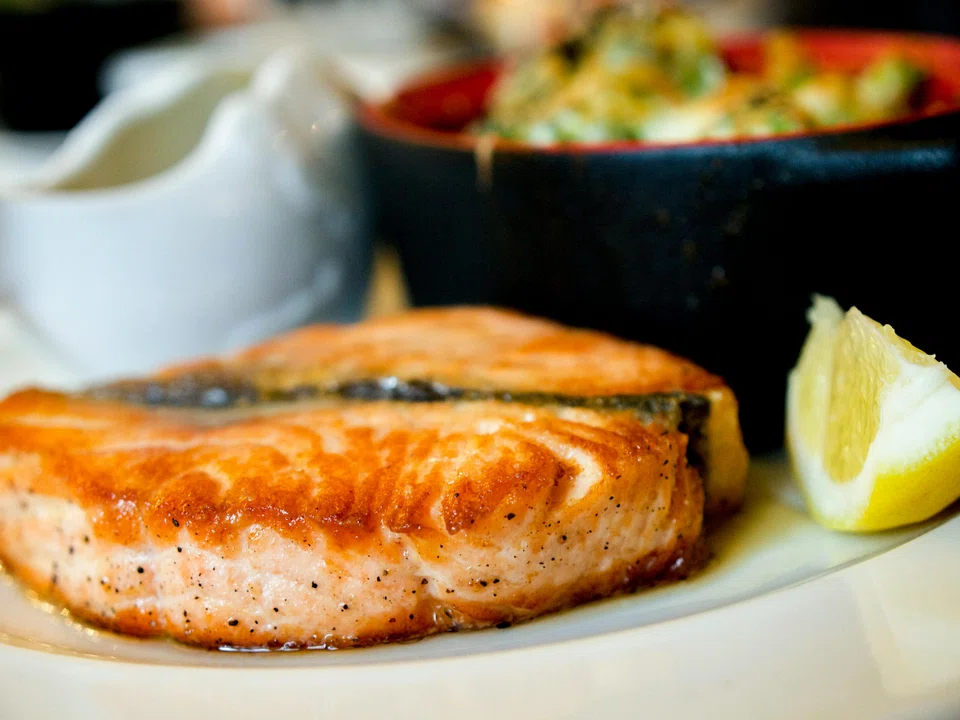
MUSCLE mass is a key indicator of an adult’s strength and health.
Yet, research has found that one in five adults in Singapore aged 65 and above are at risk of low muscle mass. That number increased to four in five for those at risk of malnutrition, as revealed by the Strengthening Health in Elderly through Nutrition – or Shield – study by Changi General Hospital, SingHealth Polyclinics and healthcare company Abbott.
The good news is that achieving muscle health is within reach.
“By incorporating good nutrition and exercise into daily routines, adults can strengthen their muscles with age,” says Anna Jacob, director of nutrition for Abbott’s nutrition business in Singapore. “Older adults should consume adequate amounts of protein and essential nutrients.”
Here are things you can do:
- Balance your plate: Choose a balanced diet with vegetables, fruits, whole grains, proteins and healthy fats.
- Remember protein: Consume a variety of protein-rich foods such as chicken, seafood, eggs, dairy and beans, and spread out your protein intake over the day (25-30 g of protein at each meal). Some examples of 20-25 g of protein include three eggs, two glasses of milk (250 ml each), one palm-sized portion of meat or fish, and a three-quarter cup of cooked lentils.
- Consider supplementing your diet: Oral nutritional supplementation along with dietary advice is recommended by the World Health Organization for older individuals at risk of undernutrition. According to the Shield study, oral nutritional supplements with beta-hydroxy-beta-methylbutyrate – or HMB – a naturally occurring compound, can be effective in improving muscle strength in the elderly.
- Be mindful of vitamin D intake: Vitamin D can improve muscle performance and balance and lower the risk of falling in older adults. To increase vitamin D intake, spend some time outdoors in the sun and add foods such as fatty fish, seafood, mushrooms and eggs to your meals.
- Keep moving: To prevent muscle weakening, engage in regular exercise (walking, biking, swimming), resistance training (lunges, squats, push-ups, one-leg stands), and simple daily activities (taking the stairs, lifting items).
Jacob acknowledges that regardless of age, maintaining a balanced diet can be a challenge.

“The elderly are at greater risk of undernutrition as their digestive systems are not as efficient in absorbing nutrients, and they may have problems chewing food in their later years,” she says.
Still, it is important for seniors to maintain a healthy diet, as good eating habits can help strengthen the immune system and improve their ability to recover from illnesses, as well as help prevent chronic disease.
She recommends consuming soft protein foods such as fish, eggs, tofu, cheese and milk – or mincing or blending good protein sources – to help older adults get the nutrients they need.
Decoding Asia newsletter: your guide to navigating Asia in a new global order. Sign up here to get Decoding Asia newsletter. Delivered to your inbox. Free.
Copyright SPH Media. All rights reserved.
TRENDING NOW

Once staunchly pro-China, Malaysian Chinese businesses are now distancing themselves from Beijing

Looking beyond looming CEO succession, should UOB potentially pursue a transformative merger?

Could stablecoins be the future of money?

Grab CEO’s wife Chloe Tong on life with Anthony Tan and finding her purpose

