For Integrated Shield policyholders, trade-offs in cancer drug cover are par for the course
 Add BT as a preferred source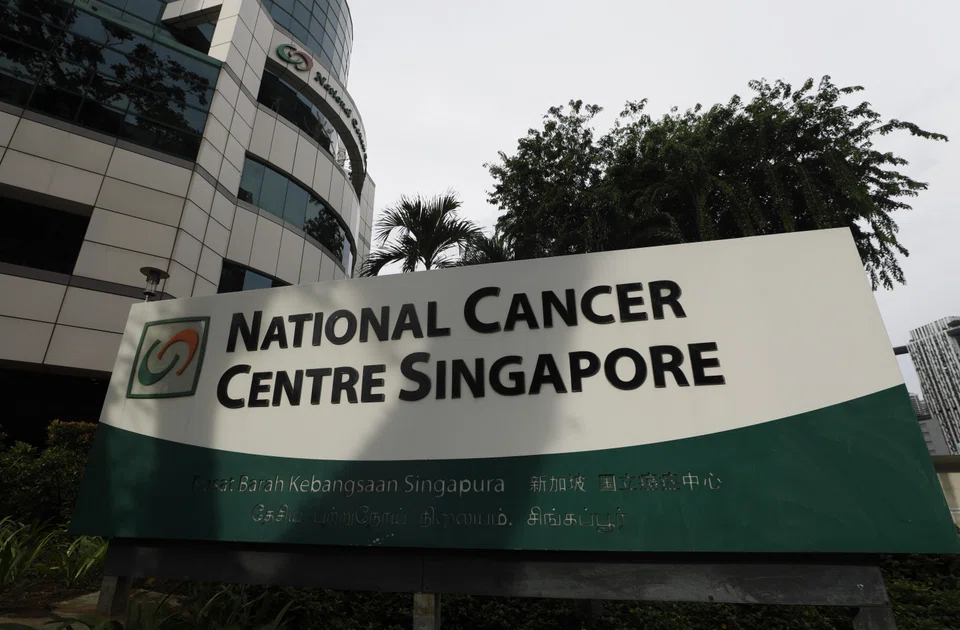
WHEN it comes to a life-threatening disease like cancer, the argument that treatments should be limited to cost-effective and clinically proven drugs can be hard to swallow.
A cancer diagnosis typically strikes fear in sufferers, whose first response might be to seize on the most promising therapies, costs and clinical research be damned. In 2021, in an effort to dampen the escalating costs of cancer treatments, the Ministry of Health announced that it would draw up a list of cancer drugs that would qualify for government subsidy and healthcare insurance.
The cancer drug list (CDL), based on the criteria of cost-effectiveness and clinical evidence, went into effect for the national health scheme MediShield Life last September, and more recently for private Integrated Shield Plans (IPs) in April.
So far, the list has succeeded in reining in drug costs. Prices of drugs on the list have been reduced by 30 per cent on average, and by as much as 60 per cent for some drugs. The number of treatments on the list has also risen from 270 in 2021 to 340 as at February this year. Based on answers to questions in Parliament earlier this year, the list covered most patients. On average, 90 per cent of those who sought care in private medical institutions and 95 per cent of those in public healthcare were on CDL treatments between September 2022 and December 2022.
To be sure, those statistics are cold comfort for those whose treatments fall outside the list. Cancer sufferers today who rely on drugs not on the CDL may continue to claim from their IPs until September 2023.
Insurers in the IP scheme have sought to reassure policyholders in two ways. One, IP base plans now cover a multiple of the MediShield Life limits for cancer drug treatments and services of up to five times. Two, those with riders can get even greater cover for CDL drugs, as well as limited cover for non-CDL drugs.

For policyholders, the offerings are a compromise. While “as charged” benefits for outpatient cancer treatment are out the window, their base IP policies and riders fill the gap to a degree. But what of premiums? It seems most likely that premiums of riders, which previously did not have specific outpatient cancer benefits, will rise.
Until recently, the IP book of business was loss-making for most insurers, and premiums of both base plans and riders have risen steadily – in some years by double digits. A slew of measures has helped to reverse the underwriting losses for most. These measures included larger private-sector panels of doctors to encourage more policyholders to seek pre-approval. Some also implemented claims-based pricing, where premiums rise for those who make a claim. Still, at least one insurer raised its rider premium in April just as the outpatient cancer drug benefits were rolled out.
Today, of nearly 2.9 million lives covered by IPs, around two-thirds have riders. Those who do not will have to reconsider their options. At older ages, they may be declined cover for pre-existing conditions. Premiums of private-hospital riders, already in the thousands of dollars for older people, also threaten to become unaffordable. Like most things in life, insurance will require compromises as ground rules shift.
Decoding Asia newsletter: your guide to navigating Asia in a new global order. Sign up here to get Decoding Asia newsletter. Delivered to your inbox. Free.
Share with us your feedback on BT's products and services