

Not retirement, but a rewiring and fresh perspectives post-DBS, says Piyush Gupta
The ex-banker travels, sits on boards and works on causes close to his heart. He also keeps up with birdwatching
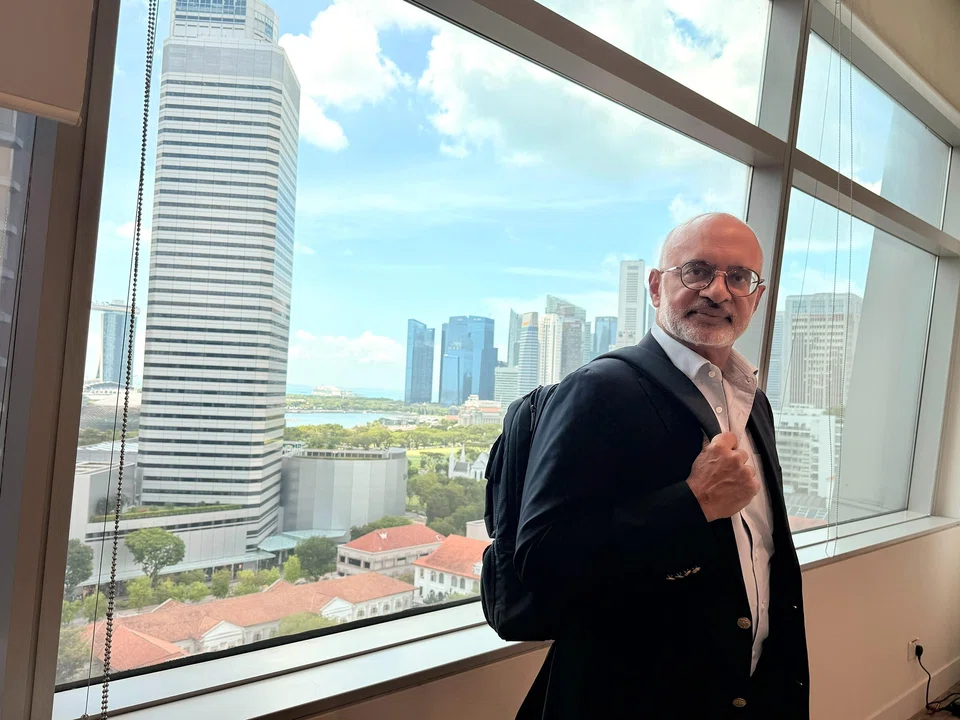
AS THE chairman of the Singapore Management University (SMU) board of trustees strides into the meeting room, one thing is noticeable: He is not wearing a tie.
For Piyush Gupta, it is a pivot from his days as CEO of DBS, when he wore one in the bank’s signature red with his sharp suits and carried a briefcase. These days, he shoulders a simple backpack.
But once settled in for the interview with The Business Times, Gupta is the same erudite speaker he has always been, discoursing on topics as diverse as meditation, conservation and education.
And despite having spent 45 years of his career in banking – 15 of them at DBS which he helped shape into a regional powerhouse – he dwells very little on the past.
Plan, plan and plan – because you are likely to live to 100
This is, after all, an interview with him about his new phase of life, after stepping down from the bank at the end of March 2025.
Leaving at the pinnacle of one’s success can be a terrifying prospect for many, but his departure was something that he proactively engineered.
Years ago, when his early attempt at a startup failed, he fell into depression. “That lesson stayed with me. I said that when I retire or rewire, I’ll do it more sensibly and plan for it.”
The key point here, he said, is to think of life in terms of phases. Hindu tradition divides it into four stages, starting with life as a student, then a householder, followed by the retirement stage and finally, the renunciation stage.
Gupta said: “As you get into a quasi retired life, you give back and finally, you get into a life of solitude.” He pointed out that just 150 years ago, there was no such concept as an “adolescent” phase because people started working in their teens.
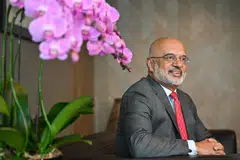

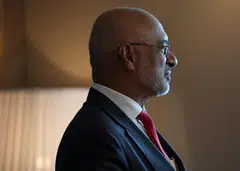
“As you get into a quasi retired life, you give back and finally, you get into a life of solitude.”
Former DBS chief Piyush Gupta
Another new phase has evolved, he said: “We are currently in the phase of creating a completely new life phase between the ages of 60 and 75, which is the silver-haired phase, where you have retired, but are still active with some form of work.”
The 66-year old Gupta does not blink an eye at the prospect of being a centenarian: “The 100-year lifespan is going to happen to all of us. In your 80s, mobility may be restricted, but I didn’t want to look back and say I did banking for 60 years and nothing else, so I planned to step down (from my post at DBS) at 65 – and have about 15 years to do what I want to do.”
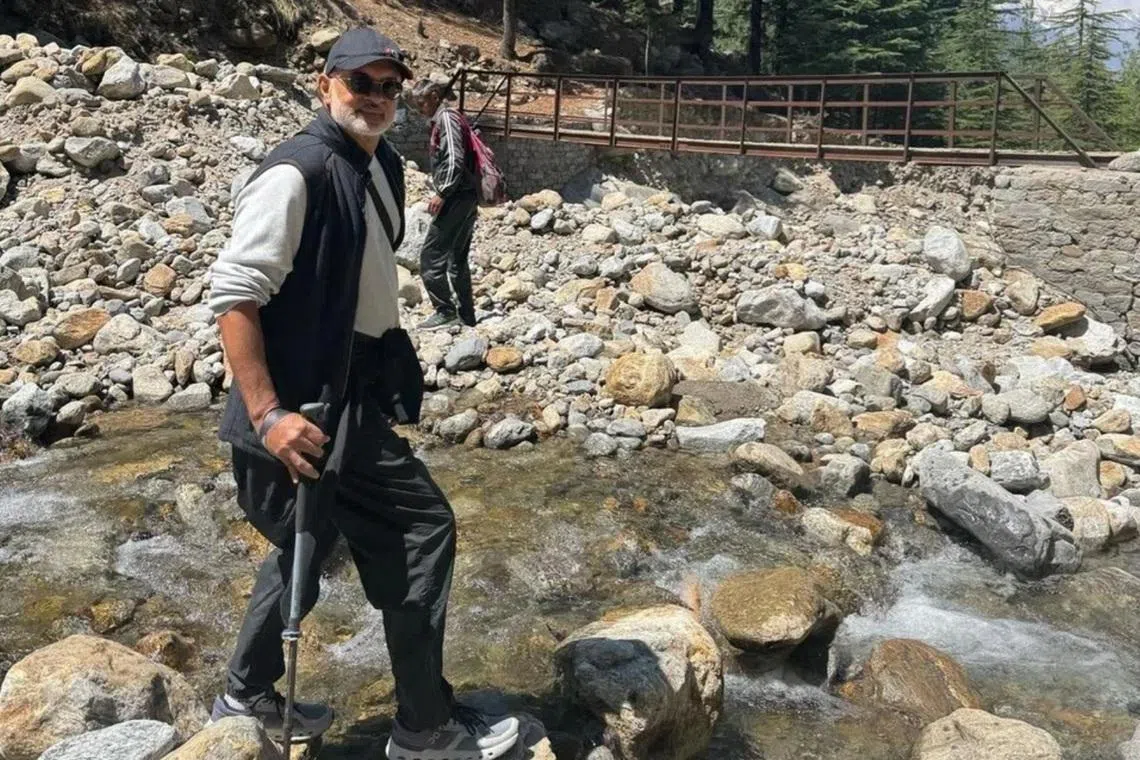
With travel on his to-do list post-DBS, he quickly ticked off destinations such as the Himalayas, the Gobi Desert in Mongolia, and Zambia.
But travel aside, he consciously thought about “finding things to do which will serve my interest, but allow me to make an impact (on society)”.
Making an impact at Mandai and in education
Birdwatching is not a pastime often associated with the world of finance. His interest in the feathered kind cropped up when he interviewed for his first job decades ago with financial-services giant Citi; he admits he was stumped for a coherent answer when asked the reason for his fancy.
He now has a more reasoned response: “I find it really helps to soothe the mind. You’ve got to have patience. To me, it is actually quite meditative. Peace of mind, if you can achieve that, whether through meditation or through bird watching, is helpful to being an effective leader.”
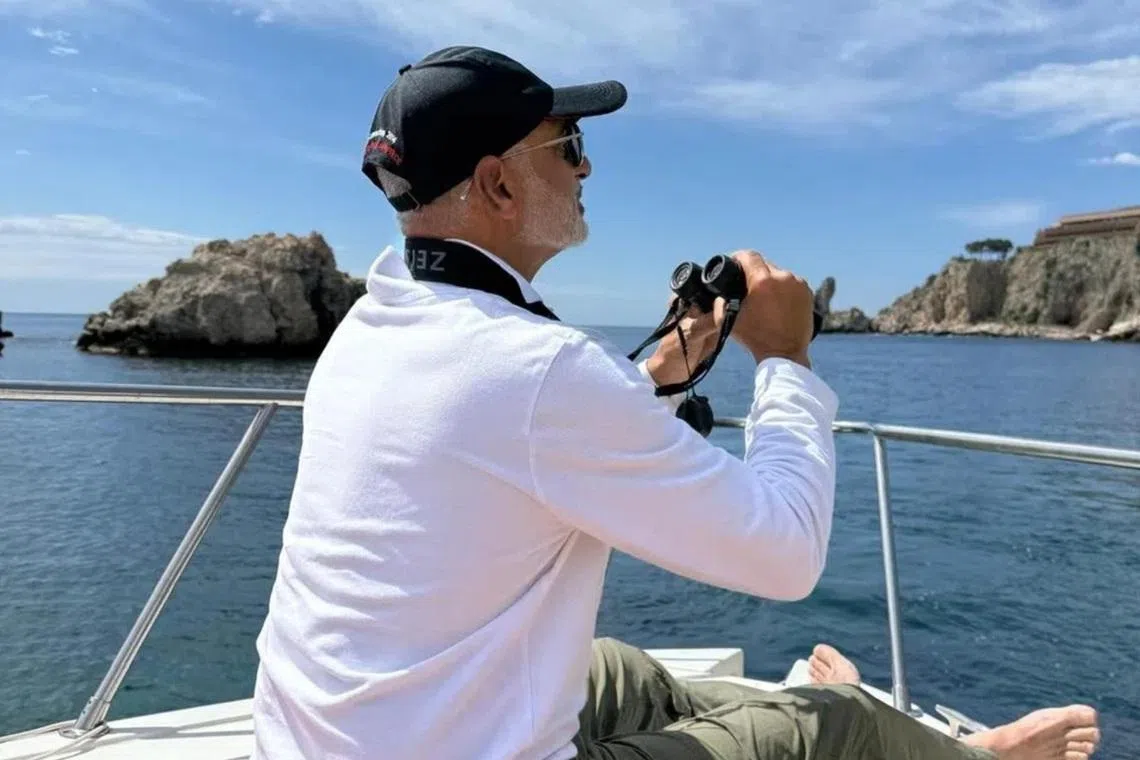
He disclosed a birdwatching insider’s secret – that near Gardens by the Bay is a pond, a little bit of wilderness in the middle of urban Singapore. “In the morning, it’s teeming with birds,” he said, beaming.
The bigger picture – and it is no surprise that he has one in mind – is that birds point to the state of nature. “You know, birds are ambassadors for nature. So bird life and bird flyways tell you whether the underlying nature is healthy or not, and that response tells you about the risk to the planet.”
He is a member of BirdLife International Advisory Group which supports the non-governmental organisation based in the UK. He also sits on the global steering committee of an advocacy group called Campaign for Nature. Comprising an international Who’s Who, the group has called on world leaders to take bold action to support a global goal to protect at least 30 per cent of the planet’s land and oceans by 2030.
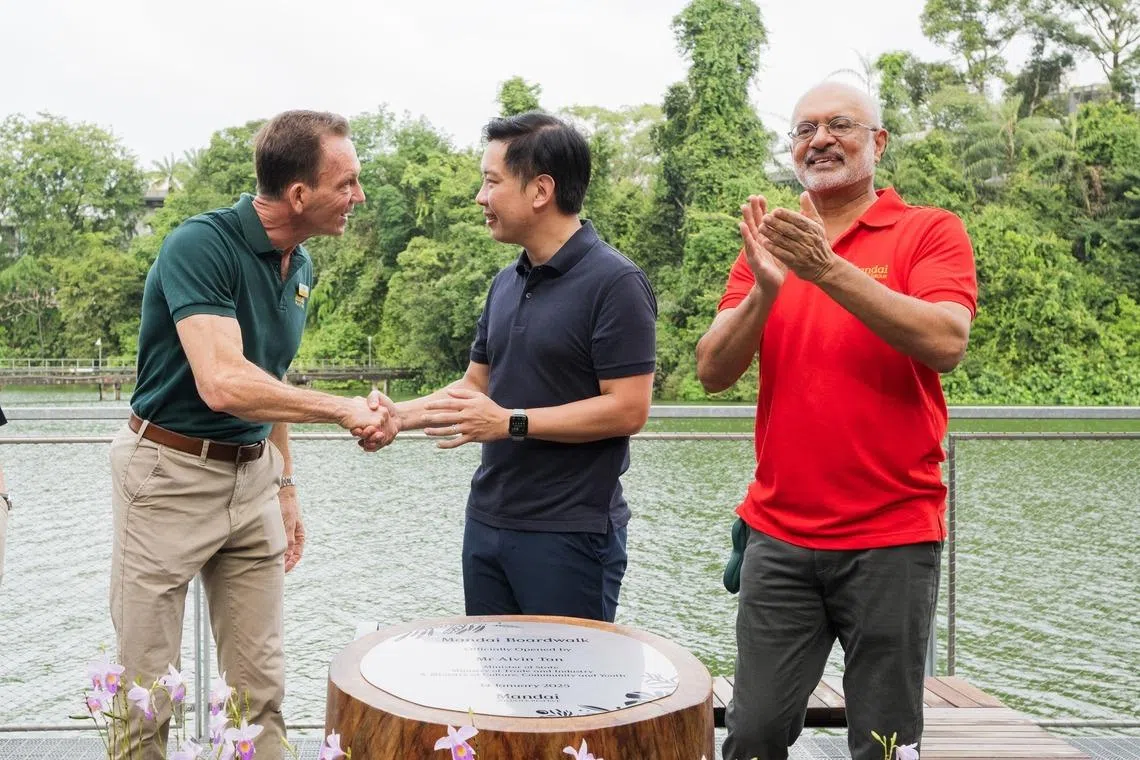
Gupta also chairs the Mandai Wildlife Group. The wildlife parks at Mandai have in recent years been a hive of activity, rejuvenated with new attractions and facilities.
Being on the board, he needs to heed the returns on investment dollars in these parks, but beyond the cost-benefit analysis is a bigger picture.
He declared: “The big impact of any zoo or any park today is not just entertainment. It is advocacy for conservation. How do you sensitise young people, the next generation, about biodiversity, about nature?”
There are the obvious challenges to increasing visitor numbers to get that message out, and these include Singapore’s population size, the number of inbound visitors and even the country’s humid weather.
But these are not insurmountable hurdles to him; in fact, they are just the sort of challenges that this banker-turned-nature-champion relishes.
“We have to position the parks to serve our advocacy purpose, to serve an entertainment purpose, to continue to be what Singaporeans want, as their zoo; in other words, bring it all together to create something that is meaningful.”
Education is another area where Gupta aims to make an impact, so it was serendipitous that he ended up at the Singapore Management University (SMU) in 2023 as its chairman.
It is not his first involvement in education: He was on the board of the international school where his children were enrolled; he has also chaired SMU’s Sim Kee Boon Institute, which focuses on research in financial economics, particularly in areas like financial inclusion, fintech and green finance.
Of his role in SMU, he said: “I wanted a platform where I could help shape tertiary education. And now with artificial intelligence, it is critical to see how you are going to think about the future of education.”
Gupta poses the thought-provoking question: “Should we be even having programmes anymore? Should we have an economics school, a law school, and an accounting school? If you think about education in the future, should we just be disbanding all the schools?”
If this came to pass, it would be controversial, and he is well aware of it. “There is a view that the future of education is going to be horizontal, right? Domain knowledge will be less relevant. It’s not that I believe that you should do it, but I want to start people to start thinking about it.”
Gupta sees AI and generative AI as reducing the need to have domain knowledge. “But you need to know enough to be able to connect the dots. You need to be able to understand. How do you engage with people with empathy, as well? So that’s a very different education.”
His thinking? “I think we should disband majors, and we should have people to focus on doing 10 minors. Ten minors means you know enough about 10 disciplines. Quintessential education is about training the mind. And so ... education is going to be about training the mind and training the context.”
He acknowledged that the schools in the US already offer this to an extent through their liberal arts education programmes, although there has lately been more of a move towards early specialisation for students.
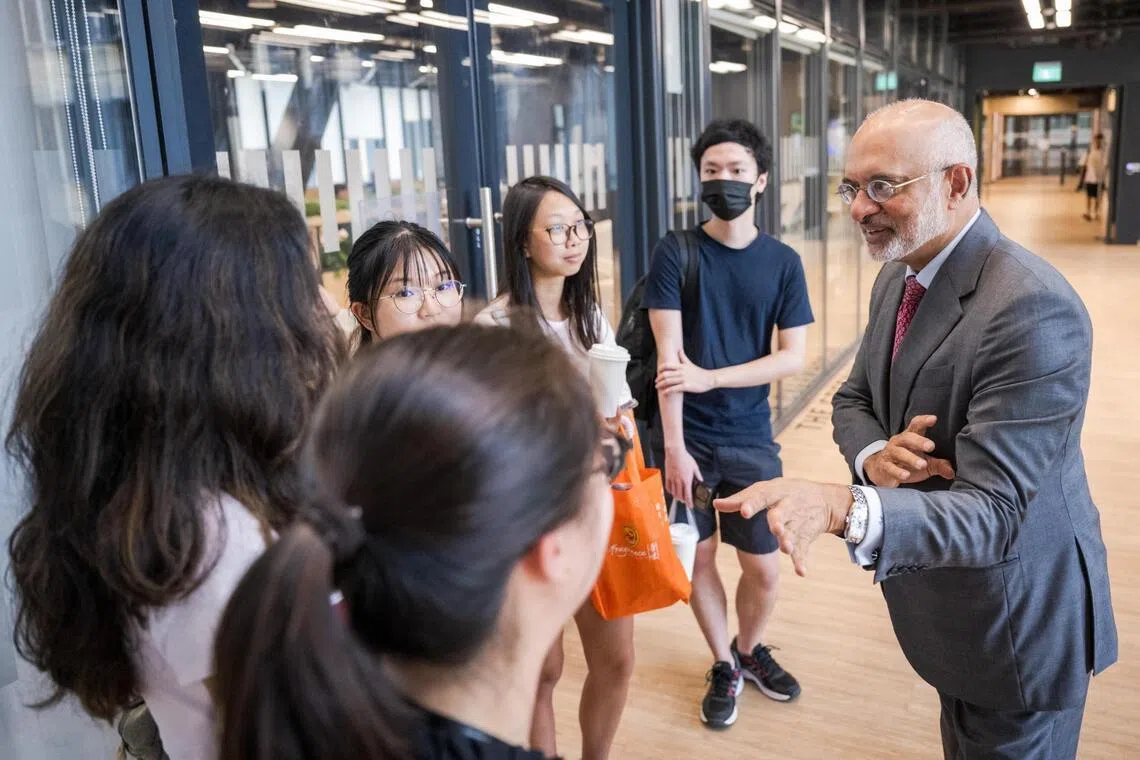
Gupta is keen for SMU teaching to be even more experiential, to include frequent regional exposure and offer more internships and exchange programmes.
Leadership
Such provocative statements on education for example, can be a way of leading to transformation.
Of the process of change within organisations, he said it is about the culture, talent and people, and vitally, about “creating a culture in which it is OK to question”. Discussion and even disagreements are the starting point for meaningful dialogue.
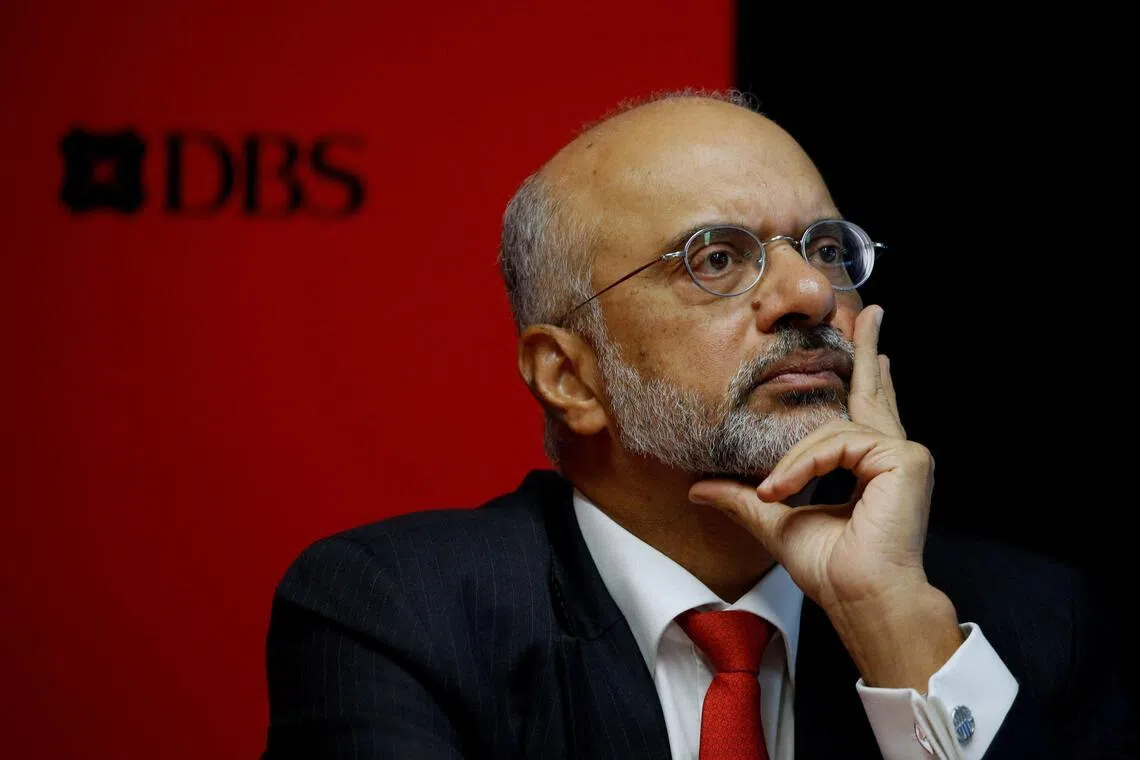
“Most board meetings and boardrooms are perfunctory. There’s a formality process, with an agenda. To me, boards are eight or 10 wise people who are free consultants, right?
“You pay an arm and a leg when you employ consultants, so why not leverage the free consultancy (of the board) and make it interactive? But to make it interactive, you have got to create an environment where it’s OK to ask and talk.”
Another aspect relevant to the issue of leadership and transformation is the hierarchy that is hampering many organisations. “For the companies I’m fortunate to be involved with, the first thing I try to do is break that down. I insist on first names. And it takes time at every company for them to stop calling me ‘chairman’ and to call me ‘Piyush’.”
What’s on the horizon?
Gupta can hardly be said to have “retired”. He sees it as a period of “rewiring” instead.
He has been appointed to the council of presidential advisers; in late 2025, he was the 17th SR Nathan Fellow, delivering a three-part lecture series on the future of finance in Singapore at the Lee Kuan Yew School of Public Policy.
In April, he became the chairman of Keppel, partly, as he puts it, because he wanted to work with a publicly listed company. He saw Keppel’s transformation from an operator into an asset manager as an opportunity to further contribute to the effort.
Even with all this on his plate, Gupta still has plans on other fronts.
His eye is on India, the country of his birth. With its US$4 trillion-plus economy, it offers massive opportunities for businesses. He said: “India needs capital, and this is something Singapore can provide. For example, in the area of sustainable infrastructure, there are many win-win opportunities.”
While there are economic moves to engage India, for example through the India-Singapore Ministerial Roundtable – a key mechanism to drive cooperation in various areas – Gupta hopes the linkages will deepen.
“I want to contribute towards Singapore-India connectivity and relations. Having been a Singaporean these last 17 years, I think I can make that corridor work.”
For someone who has always been on the go, it is perhaps understandable that life for him has not really been about “winding down” post-DBS.
When asked for his thoughts about the “what’s next”, and what he foresees doing in his 80s, he mused and replied that he would likely by then cease “formal engagement with companies”.
But he would remain committed to working for society at large, or work with non-governmental organisations. He said resolutely: “I’ll continue to be involved with education, healthcare and the arts. I’ll continue to give back, but in different forms.”
Decoding Asia newsletter: your guide to navigating Asia in a new global order. Sign up here to get Decoding Asia newsletter. Delivered to your inbox. Free.
Copyright SPH Media. All rights reserved.
TRENDING NOW

Once staunchly pro-China, Malaysian Chinese businesses are now distancing themselves from Beijing

Looking beyond looming CEO succession, should UOB potentially pursue a transformative merger?

Could stablecoins be the future of money?

Grab CEO’s wife Chloe Tong on life with Anthony Tan and finding her purpose

