

Can you buy too much health insurance for your own good?
Individuals who are not discerning enough with their policies often pay costly premiums, but do not get sufficient protection

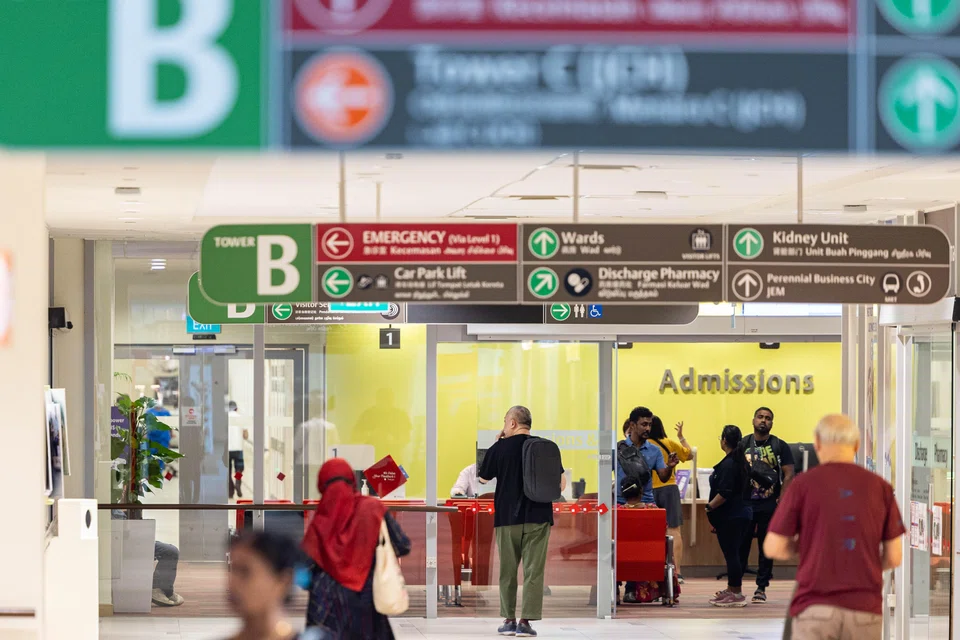
HEALTH insurance is, without a doubt, crucial for individuals to safeguard themselves financially when unexpected illnesses befall them, or when age catches up.
Some may even choose to load up on this insurance type – purchasing multiple policies or higher coverage levels – due to certain financial, personal and lifestyle considerations. When it comes to health insurance, this can take the form of critical illness (CI) insurance and hospitalisation plans.
Many people in Singapore also buy an Integrated Shield Plan (IP) offered by private insurers to have access to private hospital wards, Class A or B1 wards in a public hospital, or have the ability to choose one’s doctor.
This is on top of the basic health insurance, MediShield Life, that Singapore citizens and permanent residents (PRs) have.
However, could people risk being overinsured, and end up overspending on insurance, by taking on more healthcare policies than they truly need?
A costly move
Overinsurance can occur when an individual holds multiple health insurance policies with overlapping coverage. Instances of duplicated coverage can also happen when the benefits of personal and company insurance plans overlap, for example.
Eddy Cheong, chief executive officer of specialised insurance advisory Havend, said that there is a high price to pay for overinsuring oneself.
He added that individuals who are not discerning enough about how they choose their policies often end up paying costly premiums and do not get sufficient protection.
“This could occur when people do not actually need higher coverage, but are paying more for a ‘just in case’ scenario where they may need to see a private doctor, or have access to a shorter waiting time,” Cheong told The Business Times.
Individuals with steady income streams are advised to have a CI coverage of about four times their annual income, showed the 2022 Protection Gap Study by the Life Insurance Association of Singapore.
However, those who choose more expensive or higher-tier policies, by bundling health coverage into whole-life or investment-linked insurance, may not always get enough CI coverage, he added.
“A whole-life insurance plan could set a 30-year-old person back by around S$2,400 per annum for critical illness cover of S$240,000,” he said. “But a term-life plan with the same coverage would cost only S$700 a year – something much more affordable for working folks.”
He added: “Those who know how to use term-life plans effectively will be able to achieve good coverage as well.”
Data from the Central Provident Fund (CPF) Board showed that from 2020 to 2022, nearly three in five (57 per cent) Singaporeans and PRs who paid for higher coverage with IPs to complement their MediShield Life basic health insurance still chose subsidised wards.
With the recent IP premium hikes, and MediShield Life premiums set to increase by April 2025, it will be unsustainable to pay for additional insurance premiums without using the policy down the line.
“We do see people asking if there is a need to keep their IP or downgrade because of the higher premiums these days,” said Cheong. “What was affordable in the past is no longer the case.”
The right amount to allocate for insurance
Still, allocating a sum of money for insurance-planning is a good way to get started. Typically, 10 per cent of one’s monthly income has been a common guide to how much to dedicate to selected insurance premiums.
But zeroing in on a fixed percentage for insurance can also cause unnecessary strain on one’s financial situation, said Irma Hadikusuma, chief marketing and proposition officer of AIA Singapore.
“Even for those with a high income, being tied to high financial commitments may still mean that (they) have less financial freedom compared to someone with a lower income and lower commitments,” she added.
Jeff Ang, CEO of Prudential Financial Advisers Singapore, stressed that insurance expenses should be balanced with overall financial planning.
“Insurance expenses should not be adversely affecting one’s daily living expenses or savings goals,” he noted.
The Monetary Authority of Singapore’s Basic Financial Planning Guide – launched in 2023 – said that people should spend no more than 15 per cent of their income on insurance protection.
To Havend’s Cheong, the starting point of figuring out how much insurance people need should not be the amount they are willing to pay. Rather, they should be asking what they really need for protection.
“People should ask themselves if they have enough assets that can lower their need for insurance,” he noted.
“If they do, they may not need as much insurance as compared to one who does not have as many assets, assuming their insurance needs are the same.”
The purpose of insurance
Cheong emphasised that ultimately, the purpose of insurance is for protection – and not for investments or savings.
“Planning long term may not always be wise, as insurance is not cheap, and there will always be other expenses to take care of,” he said.
He added that individuals can always upgrade their plans at a later time when necessary, rather than committing upfront when there is no need to.
These are some questions that you can ask yourself to better guide your decisions when choosing health insurance:
Amir Hamzah Abdul Razak, director of investment advisory at iFast Global Markets Singapore, said that at the end of the day, adequate health insurance is when an individual’s hospitalisation plan is sufficient to pay a significant portion of their hospital medical bills.
“In my opinion, getting the IPs, even without the riders, should be enough for most people, especially if you have enough MediSave and cash,” he added.
It is important to remember that more is not always better when it comes to health insurance. Perhaps peace of mind does not have to come at such a high price, as long as policies are carefully selected and well-utilised when the time arrives.
TRENDING NOW

Indonesia’s coal tycoon Low Tuck Kwong replaced as Bayan Resources president-director

OCBC names Ang Eng Siong as global corporate banking head in rejig of wholesale banking business

Consider lowering homeownership barriers for some non-resident foreigners

DBS opens flagship investment strategy to retail investors with new fund

