

A reappraisal of the rupiah is overdue
The resilience of Indonesia’s currency reflects the country’s revitalised economic prospects and reduced exposure to global risks
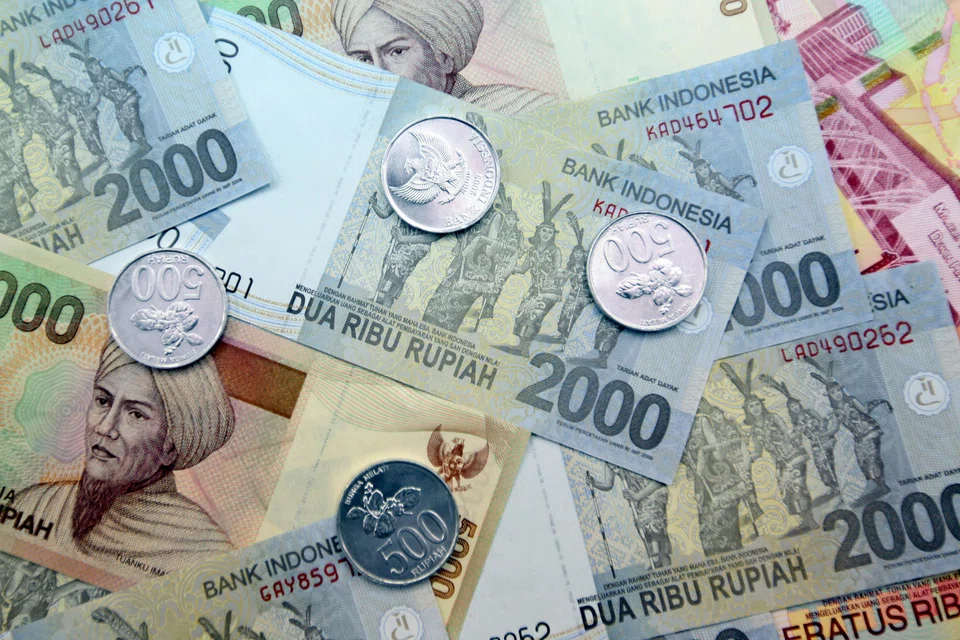
FOR decades, Indonesia’s currency has been vulnerable to shifts in global capital flows. The pain of the 1997 Asian financial crisis, with its ill-fated “I love rupiah” campaigns, lives long in the region’s collective memory.
With higher yields relative to most developed markets, the rupiah attracts global traders who are quick to sell whenever US dollar interest rates rise. This vulnerability, however, is easing as Indonesia’s economy improves.
Since the US began raising interest rates just over a year ago, the rupiah has suffered less than most of its emerging-market peers. It has been notably more resilient than the Indian rupee, which is down about 10 per cent against the greenback over the past 12 months.
TRENDING NOW

Grab executives buy back shares after stock hits 3-year low on Atome deal

Simba admits exceeding spectrum limits amid failed M1 deal; parent company Tuas’ full-year profit surges 277%

He built the Vingroup empire. Now South-east Asia’s richest man is handing some key roles to his sons

StarHub, Keppel confirm talks over potential M1 deal

