

Singapore’s ‘safe-haven’ status, stability attractive for philanthropists setting up foundations: Pictet
Experts say tax incentives are not a big push for wealth-holders, but an added benefit
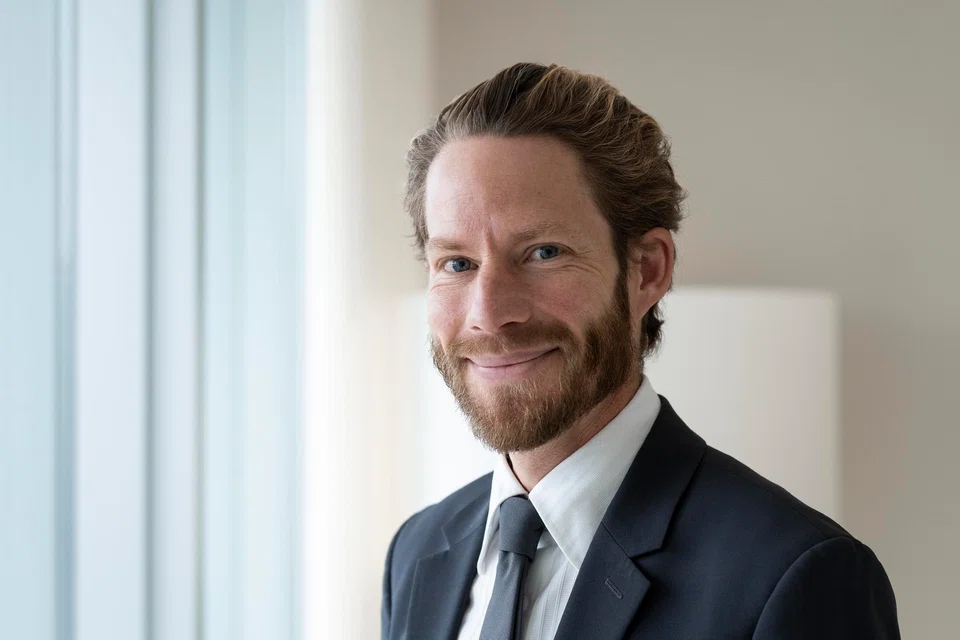
[SINGAPORE] Singapore’s status as a “safe haven”, as well as its stability and regulatory environment, make it an attractive destination for philanthropists – for example, family offices and high-net-worth individuals – setting up foundations, said Christoph Courth, global head of philanthropy services at Pictet Wealth Management.
“Switzerland and Singapore are similar in many respects, particularly in terms of safety, security and regulatory environment,” he said in an interview with The Business Times in April.
Switzerland has the highest concentration of charitable foundations in the world at more than 17,800, while the speed at which foundations are being set up in Singapore is “unlike anything we’ve seen elsewhere”, noted Courth.
This is in line with the growth of single family offices in Singapore. As at end-2024, this number exceeded 2,000 and was up 42.9 per cent year on year. Globally, more than 70 per cent of family offices manage philanthropic efforts, noted a BNY 2022 report.
Based on the Commissioner of Charities’ Annual Report 2024, there were 2,406 registered charities in Singapore as at end-2024 – up from 2,398 the year before. Singapore is also home to more than 400 foundations and trusts registered with the Commissioner of Charities.
Push from the government
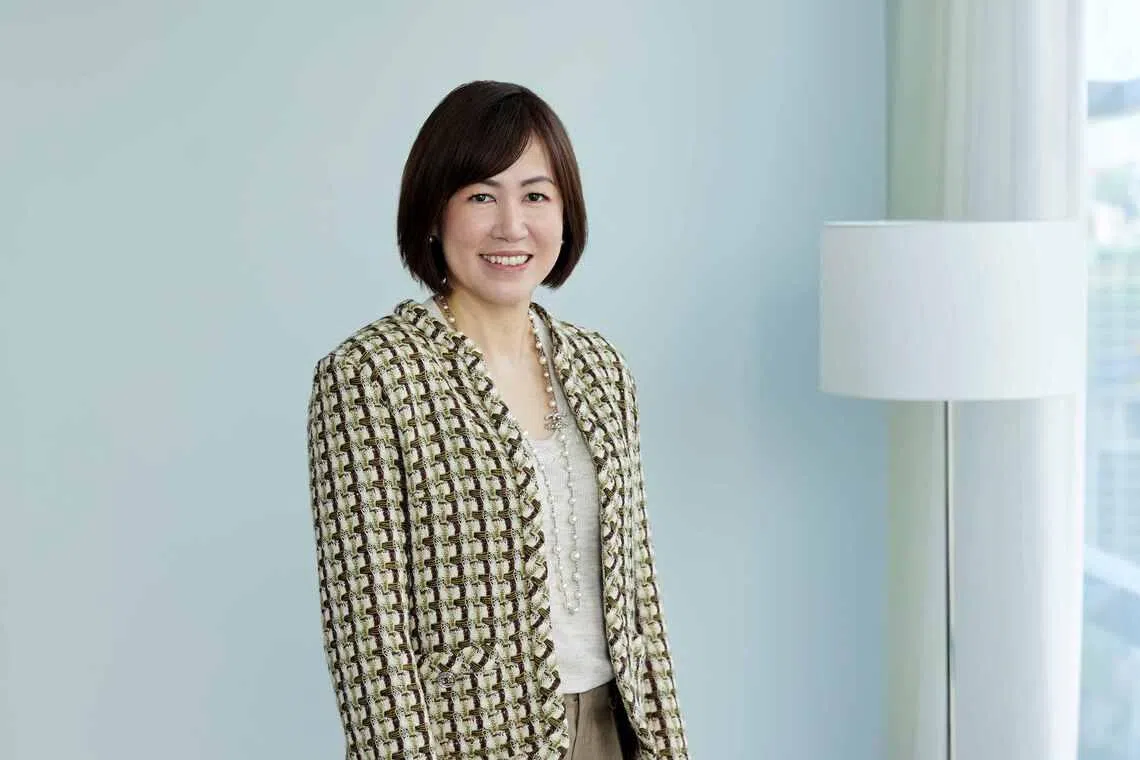
Angie Han, head of wealth planning for South Asia at Pictet Wealth Management, said there is a “natural progression” for wealth-holders to set up foundations in Singapore – especially because they may already have a footprint here.
“Singapore is politically stable – philanthropists know what to expect. There’s a lot of push from the government as well, and a lot of support to create this ecosystem with different stakeholders,” she said.
The government has measures in place to position Singapore as a philanthropy hub. For example, the Philanthropy Tax Scheme for Family Offices offers 100 per cent tax deductions for overseas donations for five years.
In addition, donors who make tax-deductible donations to qualifying grantmaking philanthropic organisations – typically non-profit entities such as private foundations – are eligible for 250 per cent tax deductions, until end-2029.


Both Courth and Han said tax incentives are not a big push for wealth-holders, but an added benefit.
“Tax is very rarely the primary driver – it’s more seen as the cherry on the cake. The transparency aspect and faith in the system is similar between Switzerland and Singapore,” Courth said.
Han added: ”For foundations, if you think about the regulatory environment, they are more concerned with regard to compliance and reporting obligations. Singapore has gotten more stringent over the years, and that is more important to them.”
In her conversations with wealth-holders, Han noted that they are more interested in finding out about auditing needs, what services are available, and what the “lighter-touch regime” means for them.
Grantmakers follow a regulatory regime, administered by the Commissioner of Charities, which encourages giving while ensuring accountability.
In a guidance on the regulation of grantmakers in October 2024, it said: “Grantmakers are often founded with private money (family, corporate, etc) and do not raise funds from the public, and thus differ from typical charities.
“It will therefore be appropriate to regulate grantmakers under a lighter-touch regime, where certain regulatory requirements that are less pertinent to grantmakers will be waived.”
Courth added: “If I want my foundations to last forever, I need to be in a place that is safe, secure and politically neutral, but with the ability to give cross-border with no issues whatsoever.”
Geopolitical tensions and concerns
Courth and Han stated that with the current geopolitical climate, more wealth-holders are moving their funds to jurisdictions deemed “safe”.
He said: “Over the past few years, there’s been a general trend of instability and concern… the conflicts that we’re seeing today, the questioning of Nato’s relevance, USAid cuts.”
The US government earlier this year announced the slashing of funds under USAid, an agency which spent around US$40 billion a year on humanitarian aid around the world. Courth said pulling this funding was a “massive shock”.
Han added: “The reduction in funding means that it’s time for us to step up. A lot of the philanthropists and families that we speak with are eager to do that. Singapore also offers a lot of space for this, because the government is also pushing for innovative funding ideas.”
Courth said one positive to come out of this situation is the push for blended finance.
“(Blended finance) is something we’ve spoken about for a long time – how philanthropy and aid should work more strategically, and how philanthropy, governments and corporates can all work better together and use their finances in a targeted manner to support one another to be more efficient,” he noted.
Outlook
Courth and Han observed that climate is gaining traction as a top cause for the younger generation of wealth-holders – particularly as climate issues become more “tangible” around the world, based on weather patterns.
“If it’s a multigenerational family who’s thinking long term about the survival and success of the family and family business, then you need to have a world fit for living in,” he said.
Impact investing is also becoming more of a priority for wealth-holders, they observed.
Han said: “In the past, the older generation saw philanthropy and investing as separate kinds of expertise. But with more education and exposure, they see that if you want to have a sustainable way of helping others, impact investing could be a good way in which you can combine the two.”
With wealth mobility rising every year, and US$5.8 trillion expected to be transferred between generations of wealth-holders in Asia-Pacific between 2023 and 2030, based on McKinsey statistics, Singapore will continue to be sought out as a safe haven, they noted.
“Maybe I’m being optimistic on a global level, but with the way the world is at the moment… I think the safe-haven status of Singapore is only going to become even more attractive as we go on, as more people seek out that sea of calm within the ocean of turmoil,” said Courth.
Decoding Asia newsletter: your guide to navigating Asia in a new global order. Sign up here to get Decoding Asia newsletter. Delivered to your inbox. Free.
Copyright SPH Media. All rights reserved.
TRENDING NOW

DBS, OCBC, UOB rout lops billions off STI as inflation, rate concerns spook investors

Grab CEO’s wife Chloe Tong on life with Anthony Tan and finding her purpose

OCBC sheds S$8 billion in value as shares close nearly 6% down; analysts cautious on banks

Deal between tycoon friends sparks scrutiny of Philippine power sector

