Stay in short-duration bonds, despite Fed rate cut
Such bonds are a prudent investment choice in the current environment, but caution is advised for longer-duration bonds
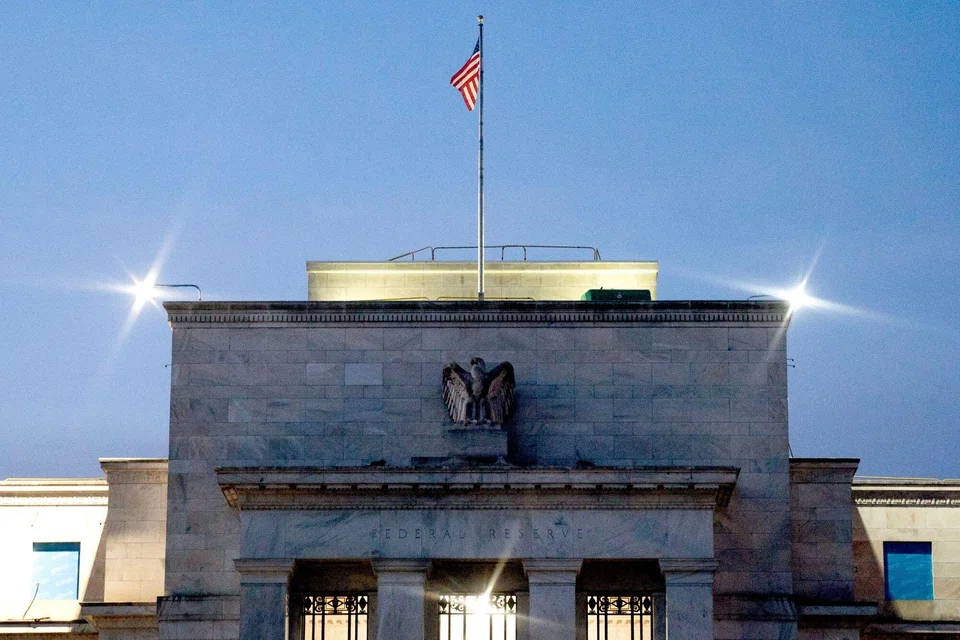
RECENT developments point to a likely rate cut in the US Federal Reserve’s September meeting. We believe we are likely to see minimal cuts from here, and the Fed funds rate will remain above pre-pandemic levels.
Short-duration bonds continue to be our top preference.
High possibility of Fed rate cuts
Inflation in the US has declined steadily from its peak, helped by the Fed’s aggressive rate hikes. The central bank’s preferred measure of inflation – the Core Personal Consumer Expenditure Index – has eased to 2.6 per cent year on year, edging closer to the targeted 2 per cent.
In addition to easing inflation, recent data shows a softening labour market, with increased unemployment and reduced job creation. Considering the Fed’s data-dependent stance – under which policymaking decisions are shaped by key economic data – we now see a high possibility of rate cuts in September if inflation continues to trend lower and the labour market weakens further.
Fed Chairman Jerome Powell himself has hinted at possible rate cuts, noting that adjustments could be considered as soon as the September meeting. At the symposium in Jackson Hole in Wyoming in August, he further stated that “the time has come for policy to adjust”, sending strong signals to the market of an impending cut.
No rush to cut
While a rate cut in September seems plausible, we do not think it will be the start of a typical rate-cut cycle. We believe the decline may remain bumpy and take longer than expected.
While inflation in general has fallen, some components remain rather elevated. Shelter costs, comprising about 38 per cent of the Consumer Price Index basket, are still high. At present, shelter inflation is supported by a resilient US housing market, with housing supply still lower than that in the pre-pandemic period. Meanwhile, resilient US housing prices may have also helped to support rental prices. This combination of elevated housing and rental costs has contributed to persistently sticky shelter inflation.
Another complication to shelter inflation is its lag behind broad housing indicators such as rent asking price and home values. Because of the extensive efforts to collect data, the consumer price index typically lags by six to 10 months – behind the more current indicators such as Zillow Observed Rent Index. Recent data showed that these broad housing indicators have stalled, which suggests that the deceleration for shelter inflation may slow in the coming quarters, which may then impact the pace at which US inflation falls.
Besides shelter costs, short-term and long-term risks compound our worries about inflation. Geopolitical tensions, particularly in the Middle East, have introduced volatility into oil prices. Recent conflicts, including escalating tensions between Israel and Hezbollah, highlight potential near-term inflation risks.
Structural factors such as the green transition and deglobalisation have started to accelerate in recent years. The combination of such factors could also exert upward pressure on inflation in the long term, a prospect that overly optimistic markets look past.
These persistent risks suggest that inflation might not decline smoothly, echoing historical patterns where disinflation has followed a non-linear trajectory, with several peaks and troughs. As such, we believe that the Fed may need to avoid aggressive rate cuts to prevent a resurgence in inflation, similar to past instances where premature rate reductions led to renewed inflationary pressures.
Short-duration bonds still our top pick
Elevated policy rates have supported high yields on short-duration bonds, which remain high relative to history. Major central banks that have initiated cuts, including the European Central Bank, continue with a data-dependent approach and are likely to proceed cautiously with rate cuts. Short-term yields might thus remain elevated through the second half of 2024.
Concurrently, with overly aggressive expectations of Fed rate cuts, we see a potential shift in sentiment should the Fed appear more hawkish than expected. Such changes will result in volatile interest rates. Short-duration bonds offer reduced sensitivity to interest rate changes, making them a strong choice for investors in the current environment.
Meanwhile, we remain cautious about long-duration bonds due to recent significant declines in long-term yields. We think long-term yields may see limited room to decline if Fed rate cuts materialise, as cuts have already been aggressively priced in; yields on the longer end have already fallen rather significantly. Further substantial declines in yields will likely require even more rate cuts to be priced in over the near term, which to us looks unrealistic.
Moreover, any deviation from expected rate cuts or unexpected inflationary pressures could lead to higher long-term yields and potential mark-to-market losses. We see the possibility of several things going wrong, including upside inflation surprises, a less dovish Fed stance, and post-election fiscal stimulus. In such scenarios, we may see markets dial down their expectations of cuts and/or push long-term yields higher, resulting in mark-to-market losses on longer-tenor bonds.
In summary, while a rate cut by the Fed is becoming more likely, we do not expect it to signal the start of a typical rate-cut cycle. Inflation would likely continue to be a concern, influenced by both immediate and structural factors.
Short-duration bonds offer a prudent investment choice in the current environment, while caution is advised for longer-duration bonds due to potential market volatility and uncertain future rate movements.
The writer is a fixed-income analyst with the Bondsupermart team at iFast Financial, the Singapore subsidiary of mainboard-listed iFast Corporation