

Tax transparency and trust in the business ecosystem
Transparency has evolved into a defining pillar of good governance and public accountability
MULTINATIONAL corporations worldwide are navigating a profound shift, compelled by new rules to disclose more about their tax strategies, payments and global footprints.
Investors, in turn, are increasingly scrutinising tax behaviour as a litmus test for a company’s integrity and long-term sustainability.
For Singapore businesses, this global movement, supported by many tax authorities, presents a critical balancing act: how to maintain competitiveness and confidentiality while meeting rising disclosure obligations and safeguarding stakeholder trust.
The conversation has decisively shifted towards how a company’s conduct on tax matters aligns with its professed purpose.
A strategic transformation
A global movement towards greater tax transparency is changing how companies report their taxes and interact with the stakeholders.
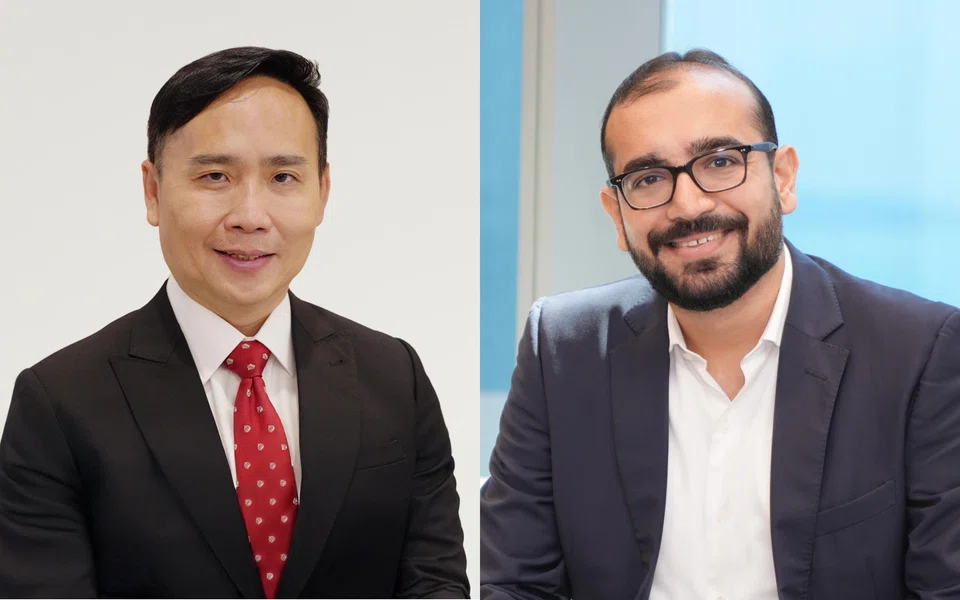
Ajay Kumar Sanganeria, partner and head of tax at KPMG in Singapore, framed this as a strategic transformation.
“The global push for tax transparency is transforming tax from a back-office compliance function into the forefront of public accountability and corporate reputation,” he said. “Companies are no longer just meeting mandatory requirements; they are also voluntarily sharing more to build trust with stakeholders and investors.”
A wave of new regulations is driving this transformation, notably the European Union’s directive requiring large multinational enterprises (MNEs) with annual revenues over 750 million euros (S$1.1 billion) to publicly disclose country-by-country financial data.
This directive builds on the the Organisation for Economic Co-operation and Development’s (OECD) Base Erosion and Profit Shifting framework, which previously required MNEs to submit such reports privately to tax authorities, which would then exchange the information among themselves under confidentiality agreements.


Lennon Lee, tax leader at PwC Singapore, said the transparency agenda is “moving from private compliance to public accountability”, with an expanding scope of regulatory tools and expectations.
“Companies therefore not only have to keep abreast of legal and tax developments and requirements, but also best practices in disclosures and reporting so that they are not perceived as outliers, and subjected to questions from various stakeholders,” he said.
“What it means is that companies should adopt a proactive approach, rather than a reactive one, to engage regulators and investors to understand their expectations and even perceptions.”
For businesses based in Singapore, a global hub known for its robust yet business-friendly policies, the path to transparency has nuanced challenges. The core tension lies in disclosing enough to build trust without divulging sensitive information that underpins competitive advantage.
“Balancing transparency with confidentiality and competitiveness is a delicate act,” said Sanganeria. “The challenge lies in meeting disclosure expectations without exposing sensitive information that could erode competitive advantage.”
Lee pointed to the tangible operational and financial pressures that companies now face. “Evidently, compliance costs have increased significantly, in both monetary terms and demands on senior management’s time.”
The complexity is magnified by evolving global standards, which demand vast amounts of granular data, and constantly changing reporting requirements.
Under the landmark OECD Inclusive Framework agreement, more than 140 countries have moved to ensure MNEs pay a minimum tax rate of 15 per cent on their profits in every country they operate. Singapore implemented these rules from 2025.
This new international standard, known as Pillar Two, introduces significant complexity, compelling corporate tax departments to collect and report vast amounts of new financial data.
“Disclosing consistent narratives to investors while retaining competitive confidentiality over operational footprints and tax attributes such as incentive status is a difficult balancing act,” said Lee.
Crafting the narrative
As tax disclosures enter annual reports and sustainability brochures, the need for seamless collaboration within organisations has never been greater. Industry experts recognise that the tax function can no longer operate in a silo and must be integrated into the company’s broader story.
Sanganeria said that tax teams need to “work hand-in-hand with corporate communications and sustainability teams to craft a unified narrative”. “This collaboration ensures that tax disclosures are not only accurate but also aligned with broader sustainability goals.”
Lee suggested grounding this collaboration in formalised governance. “The organisation should be guided by a board-approved tax governance policy.”
Through building tax awareness in communications teams, tax professionals can help “translate tax technical jargon into layman terms and provide decision-useful data… to confirm the positive societal impact”, he added.
Singapore’s tax regime has traditionally emphasised collaboration and this philosophy is shaping its approach to the transparency challenge.
The Inland Revenue Authority of Singapore has pioneered several voluntary, incentive-based programmes designed to foster openness.
Such initiatives include the Tax Governance Framework, the Tax Risk Management and Control Framework for Corporate Income Tax, and the GST Assisted Compliance Assurance Programme.
“Companies that participate in these initiatives can benefit from reduced audit scrutiny and penalty waivers, making transparency a win-win,” said Sanganeria.
From Lee’s perspective, a key consideration is ensuring utility. “It is important that Singapore does not pursue transparency solely for transparency’s sake,” he said. “Disclosure requirements imposed on businesses should be carefully considered and calibrated to deliver the maximum utility for the decision-making of relevant stakeholders.”
The evolving standard
Looking ahead, the notion of “responsible tax” is set to change further, deepening its integration with corporate purpose and sustainable development.
Sanganeria sees this evolution in strategic terms. “The concept of ‘responsible tax’ is evolving beyond compliance to emphasise transparency, governance, and alignment with broader sustainability objectives,” he said.
“Companies that adopt responsible tax practices will strengthen trust with stakeholders and position tax as a key pillar of corporate responsibility.”
Lee envisions a more foundational shift, connecting it to a company’s societal role.
“Responsible tax practices will gradually be assimilated into corporate purpose and may be one day elevated as a key consideration in a business’ ‘licence to operate’,” he said, framing the practice on three pillars: robust governance, reliable data and relevant disclosures.
Professional associations will also have a pivotal role in this evolving landscape through capability building and guidance.
Sanganeria said professional bodies can “play an important role” in shaping these standards by fostering awareness, sharing best practices and providing training to equip tax professionals for the growing demands of transparency.
For Lee, industry associations have a multifaceted role. “Professional bodies like Singapore Chartered Tax Professionals can assist by providing forums for discussions among tax authorities, stakeholders and businesses.”
They can also help develop and encourage the adoption of best practice disclosure templates, as well as encourage responsible tax practices by undertaking a self-regulating role with peer reviews, he added.
The convergence of regulation, scrutiny and corporate purpose has significantly elevated tax as a strategic boardroom priority.
The coming years will challenge Singapore’s businesses to master a new discipline: translating complex tax compliance into a credible public narrative that builds and sustains stakeholder trust.
The writer is CEO of Singapore Chartered Tax Professionals, the national institute that benchmarks tax expertise through accreditation and drives excellence in professional standards and technical competency. This series shares insights on the tax issues shaping business today.
Decoding Asia newsletter: your guide to navigating Asia in a new global order. Sign up here to get Decoding Asia newsletter. Delivered to your inbox. Free.
Share with us your feedback on BT's products and services






