

Turning more negative on the US dollar
The USD has been on a tear in 2022, but it is ripe for a correction, due to narrowing policy rate differentials and a reversal of safe-haven flows
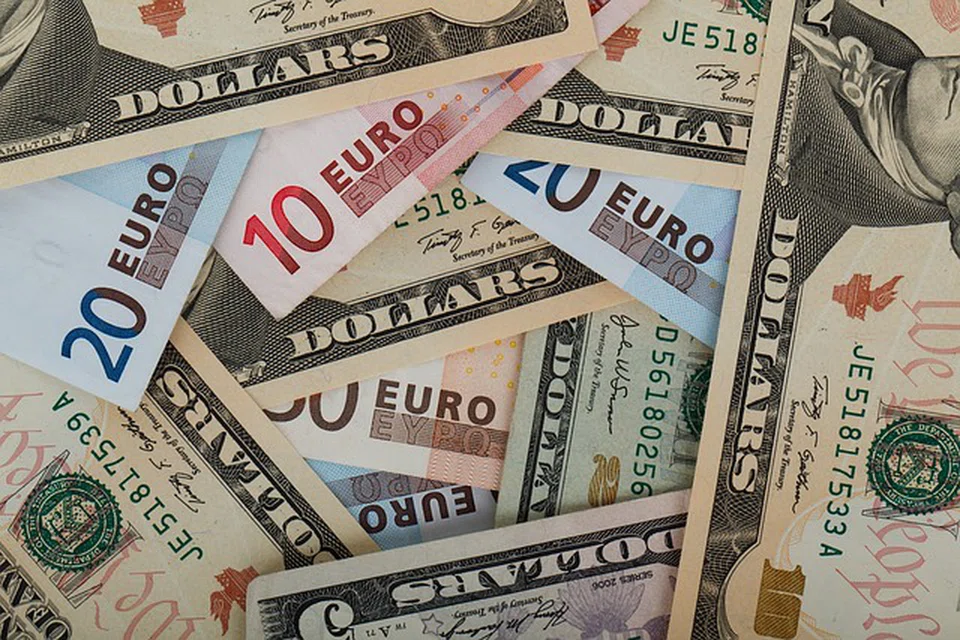
IT HAS been a stand-out year for the US dollar (USD), driven by the widening policy and rates outlook as well as safe-haven flows. As we head into 2023, we look at several reasons that could justify a peak in the USD.
USD valuations look stretched
The USD appears to be overvalued, especially after this year’s blistering run. A look at the real effective exchange rate shows that it is currently more than one standard deviation above its historical average. This has only been reached twice – before 1972 when the USD was still on the gold standard, and during the 1980s when the Fed hiked rates to record highs. We believe that the current backdrop is far from such extremes. For confirmation, we also look at purchasing power parity, which similarly suggests that the USD is overvalued against eight of nine Group of Ten currencies (except the Swiss franc), including a whopping 30 per cent overvaluation against the yen.
The overvalued USD sets up ripe conditions for a potential correction, driven by a reversal of main USD drivers seen this year, namely widening policy rate differentials and safe-haven flows. Furthermore, we also see catalysts emerging for major constituents of the DXY Index (US Dollar Index), which could in turn result in a weaker dollar next year.
Narrowing rate differentials
One of the main drivers for USD strength in 2022 was widening policy rate differentials. The Fed has generally “out-hawked” many developed market (DM) central banks this year, which has led to front-end rates in the US accelerating ahead of other DMs, exerting upward pressures on the USD.
Looking ahead to 2023, we expect this driver to fade and eventually reverse. On one hand, we expect the Fed to pause its rate hike cycle in 2023 at a terminal rate of around 5 per cent. In contrast, we see room for other DM central banks to catch up to the Fed in terms of rate hikes, particularly as many DMs are facing stronger inflationary pressures than the US. This could narrow policy rate differentials next year, which could drive capital outflows from the US and apply downward pressure on the USD.
Mixed USD performance during economic and market volatility
Another key driver for the USD in 2022 has been safe-haven flows amid a volatile macro and market environment. However, we believe the USD’s safe-haven appeal may dim in 2023 relative to 2022, especially as the Fed appears to be slowing down and the US likely heads for a recession.
With this in mind, there may be better safe-haven alternatives in the currency space. The USD is not the only traditional safe-haven currency, and alternatives such as the yen could benefit from a narrowing or stabilisation of policy rate differentials. In addition, the yen is also supported by decent economic growth in Japan, especially when compared to that of the US. Moreover, demand for USD as a safe haven might be dampened if a China reopening stokes risk appetite and, consequently, demand for higher beta currencies.
Hence, we believe the USD’s safe-haven flows are inconsistent, as they are also heavily influenced by other factors, such as rate differentials and relative economic strength. Looking at the DXY performance stretching back to December 1969, we find that its annualised returns have not been consistently higher in recessionary compared to non-recessionary periods (defined by the National Bureau of Economic Research), and absolute returns were negative during four of the eight recessions in this timeframe. Similarly, the DXY has not shown a consistently positive correlation with the VIX Index (a gauge of market volatility). It has shined during the major global downturns in 2008 and 2020, but its track record is spottier during smaller spikes in the VIX.
Perfect storm of factors in 2022, could ease in 2023
Apart from the above factors, we also expect major constituents of the DXY – particularly the euro, pound and yen – to perform better in 2023. This could exacerbate weakness in the USD, especially as these currencies account for over 80 per cent of the DXY Index.
Weakness in the euro and pound this year were partly driven by rate differentials, though we also saw dampened risk sentiment for the euro amid the ongoing Russia-Ukraine War, and for the pound due to political drama from disastrous fiscal plans. We believe foreign exchange markets have had sufficient time to digest and price in these factors, and now see more upside given the possible narrowing of rate differentials, especially as the European Central Bank and Bank of England play catch-up to the Fed in terms of policy rates.
As for the yen, its poor performance in 2022 was driven primarily by diverging central bank policies, as the Bank of Japan bucked the global trend of rising rates by maintaining its yield curve control policy. Hence, as highlighted above, we believe the yen could benefit from a narrowing or stabilisation of policy rate differentials arising from a wind-down of hawkish Fed rhetoric. With the yen looking significantly undervalued in our view, we could see further upside for it ahead – also from reopening inbound flows such as tourism and safe-haven flows, especially if Japan demonstrates relative economic strength.
What you should do in an environment of weaker USD
To conclude, we see further downside for the USD in 2023 which is set up by its stretched valuations. Potential catalysts include narrowing rate differentials, and an easing of “safe-haven” flows towards the USD, while an improvement in major constituents of the DXY could also indirectly result in a weaker USD.
Investors should closely monitor their currency exposures in their broader investment portfolio, as it could be a significant contributor (or detractor) to your portfolio returns in case of strong foreign exchange movements. For instance, the Nikkei 225 Index has seen a year-to-date price performance of about -3 per cent in yen terms and -18 per cent in SGD terms (as at Dec 15). With our expectation that the USD could fall more in 2023, we recommend that investors with positions in USD-denominated products (in equities, fixed income or funds) should consider hedging their USD exposure where possible.
The writer is a research analyst of the research and portfolio management team at FSMOne.com, the business-to-consumer division of iFast Financial. The latter is the Singapore subsidiary of Singapore Exchange mainboard-listed iFast Corporation.
TRENDING NOW

Far East Organization’s The Serra Residences sells less than a quarter of units released at average S$3,460 psf

MAS, SGX must address our IPO problem

A bumpy road ahead for some of Singapore’s fresh graduates in their job search

Once staunchly pro-China, Malaysian Chinese businesses are now distancing themselves from Beijing

