

US dollar primacy in question as the age of petrodollar may be over
Many countries are working to develop alternative cross-border payment alternatives to the greenback
 Add BT as a preferred source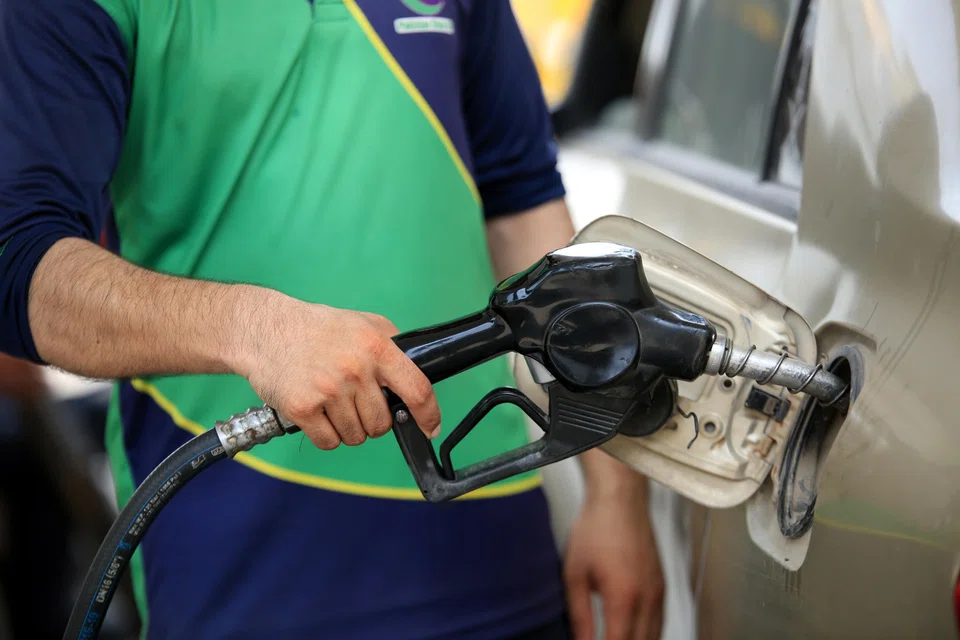
WHEN your local currency is pegged to the US dollar, you are held hostage to American fiscal and monetary policy. This is quite rightly so, as the US Federal Reserve makes such decisions in the light of what is best for the American economy and with scant regard to any wider global impact.
Some currencies are formally linked to the US dollar, whilst others are informally linked through trade relationships. The most important of these runs through the international trade in oil.
In June 1974, Saudi Arabia agreed to sell oil exclusively in US dollars in exchange for security guarantees. This created what many called the petrodollar, and the agreement forced every country in the world to hold huge amounts of US dollars because of the oil trade.
TRENDING NOW

On the board but frozen out: The Taib family feud tearing Sarawak construction giant apart

Thai and Vietnamese farmers may stop planting rice because of the Iran war. Here’s why

PayPal plans job cuts as its new CEO pursues turnaround strategy

MAS, bank CEOs convene over AI cyberthreats; boards told to own risks, not leave to IT teams

