

US presidential elections: The expected impact on assets
A Republican sweep creates short-term opportunities for tax-sensitive sectors while a Democrat win is likely to benefit industries such as healthcare, semiconductors and clean energy
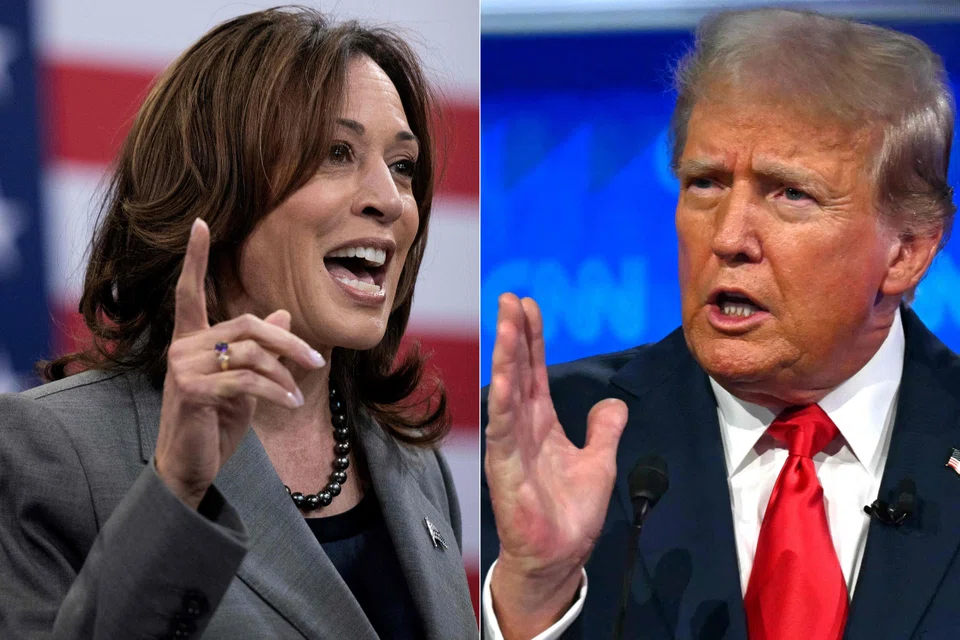
NEWS organisations typically prepare anticipatory coverage ahead of major events. Two sets of headlines and stories lie in wait, with reporters and editors working around the clock to flesh out the details as events unfold.
In the 2016 elections which pitted Donald Trump against Hillary Clinton, The New York Times did not ready a special section in anticipation of a Trump victory. Yet, he won.
According to the Times, the headline “Trump Triumphs” ran in lieu of “Madam President”. The special section was shelved.
This week, even as pundits continue to weigh in on a Trump or Harris victory, I like to lean on the wisdom of American economist John Kenneth Galbraith, who said: “There are two kinds of forecasters: those who don’t know, and those who don’t know they don’t know.”
We still do not know who the next US president will be as this column goes to print. But we do know how markets are likely to react to a Democratic or Republican sweep.
Equities
A Republican sweep creates short-term opportunities for tax-sensitive sectors, with expected corporate tax rate-cuts of 15 per cent, deregulation across various industries, and increased tariffs on imports. Sectors such as energy, transportation and financial services stand to benefit from lower taxes and reduced regulatory burdens.
Additional tariffs could boost US manufacturing, especially in the pharmaceutical, semiconductor and renewable energy sectors, through competitive advantages and tax cuts. However, these gains are short-lived due to the retaliatory nature of global trade.
In the event of a Democratic sweep, Kamala Harris is likely to maintain continuity with President Joe Biden’s policies, focusing on enhancing existing initiatives rather than making major changes. Key policies such as the Affordable Care Act, Inflation Reduction Act (IRA), Chips Act, and Infrastructure Investment and Jobs Act will continue to benefit industries such as healthcare, semiconductors and clean energy.
Credit
Empirically, US Treasury yield curves tend to flatten under past Republican presidencies, with 10-year US Treasury yields inhabiting lower ranges vis-a-vis Democratic presidencies.
Drastic unfunded tax cuts under a second Trump term could amplify deficits and introduce further risk premiums to US Treasuries. This suggests that investors should continue to avoid ultra-long duration trades such as 30-year bonds. We also see a likelihood for Trump to revive tariffs, which in 2018 sent 10-year US Treasury yields tumbling following aggravated trade tensions.
Note also that Trump’s business-friendly inclinations had been supportive of risk assets such as corporate credit in his previous term. Higher credit yields in anticipation of a 2024 Trump victory is a buy-the-dip opportunity for investors, especially in the seven to 10-year duration segment.
A Democratic victory would be the voters’ bid for stability. As markets are already well-acquainted with the incumbent’s policies and views, we believe the impact of a Democratic victory would be credit neutral. Although Harris’ proposals to raise corporate taxes could hit the bottom line of US companies, we note that interest expenses are ultimately paid from pre-tax earnings, which would impact credit more moderately due to its seniority in the capital structure.
The Federal Reserve will likely stay on an undisturbed course towards its 2 per cent inflation target and move ahead with the rate-cut cycle. Our empirical assessment shows gradual steepening of the US Treasury yield curves one year after election under past Democratic presidencies. Taken together, a post-election bull steepening may gradually manifest, which favours the front end at the margin.
Rates
Trump is widely considered to be looser on the fiscal side. Issuances worries would prompt the curve to be somewhat steep as investors demand a premium. Moreover, there is the added complexity that Trump would likely add more pressure on the Fed to cut rates. If rates get driven lower, inflationary pressures could re-emerge, compounding tariff inflation worries, leading to upward pressure on the back of the curve.
A Democrat victory will temper deficit worries somewhat, and fiscal deficit expectations should not differ too much from the Congressional Budget Office’s projection of 5 to 6 per cent over the coming decade. However, there should be fewer worries on tariffs and Fed intervention, and accordingly, inflation. Curves would be relatively flatter and yields relatively lower under a Democrat victory.
Foreign exchange
A second Trump presidential term could hurt the US dollar’s reserve status if he undermines the Fed’s independence and pushes for lower rates. Trump will also weaponise tariffs and step up efforts to re-shore manufacturing activities and jobs to America, while kvetching that Japan and China seek unfair competitive advantages via weaker currencies.
On the other hand, with Harris’ respect for the Fed’s independence, the central bank should keep reducing interest rates towards neutral in 2025, based on its projection for a soft landing in the US economy and allowing inflation to decline towards the 2 per cent target. In such a scenario, the USD’s recovery is likely to lose momentum.
Gold
Trump’s adversarial stance on geopolitics and looser fiscal position are both tailwinds for gold. However, tariffs and government spending could see a resurgence in inflation and prompt the Fed to raise rates, putting downward pressure on gold prices.
A Harris presidency, with its fiscal expansionary policies, is projected to increase federal debt by US$3.5 trillion, which should positively impact gold demand. However, if Democrats manage to keep inflation in check, the Fed is likely to maintain a gradual rate-cutting cycle, creating a positive environment for gold.
Commodities
Looser fiscal policy in the form of tax cuts and government spending will raise aggregate demand while protectionist policies tighten and disrupt supply. This suggests the impact on commodity prices will likely be to the upside.
Energy remains an exception as Trump’s pro-fossil fuel position will ease environmental regulations, lubricate oil and gas production, and lower energy prices. Conversely, his combative stance towards the energy transition may repeal parts of the IRA, negatively impacting demand and prices of green metals.
A Democrat victory should see a tighter fiscal stance, fewer protectionist policies, and consequently a smaller impact on budget deficits and supply chains. Here, inflationary pressures will lighten, and commodity prices will maintain a status quo trajectory.
Demand for green metals will likely stay supported from clean energy investments and associated tax credits under the IRA. Energy prices should also remain more stable as Harris is unlikely to dole out the same regulatory concessions that Trump would to energy producers, keeping supply constrained and prices higher.
Neither blue nor red
When all is said and done, I would still urge investors to look beyond short-term volatility and focus on long-term secular trends, such as the rise of artificial intelligence, which provide sustainable growth regardless of political outcomes.
The writer is chief investment officer, DBS Bank






