Water scarcity raises risks and opportunities for portfolios
Water risks in supply chains can impact production. Companies that invest in water resilience are better able to manage these risks

TWO billion people globally, including children, do not have access to safe drinking water, and 44 per cent of household water is not safely treated. The global urban population facing water scarcity is projected to potentially double from 930 million in 2016 to between 1.7 billion and 2.4 billion people in 2050.
These were some of the staggering statistics shared in the latest edition of the UN World Water Development report launched around World Water Day in March.
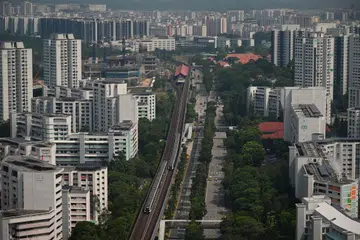
Water is a theme close to my heart. The need to save water was particularly ingrained through the many public awareness campaigns in my youth in Singapore. Singapore was considered one of the most water-stressed countries in the world, with a heavy dependence on rainfall due to the lack of natural water resources, and limited land available for water storage facilities.
But over the years since, Singapore has successfully rolled out an integrated, effective and cost-efficient way to meet the nation’s water needs with investments in research and technology to treat, recycle and supply water.
Since water is such a necessary resource and economic asset, there are three practical questions that investors may ask as they think about the connection of water to their investments.
1. From a risk-management perspective, how well is the company managing its water risks?
Water risk refers to the possibility that a company experiences a water-related challenge, such as water scarcity and stress, flooding, infrastructure decay or drought. Good water management is increasingly an important material ESG (environmental, social, governance) risk across various industries.
The Global Water Report 2020 of the Climate Disclosure Project (CDP) highlights that the cost of inaction on water risks for companies is five times the cost of taking action. The Covid-19 pandemic cast a spotlight on supply chains and their resiliency. Water risks in supply chains can affect production, as seen in the semiconductor sector, which suffered a shortage of chips worldwide. Companies that invest in water resilience will be better at managing these risks.
2. What is the investment potential, given the huge need for water?
Demand for clean water continues to outstrip supply. Last year was the “year of drought”, which hit many developing markets. Even in developed markets, outdated systems with poor access to clean drinking water raises health risks to people. The American Society of Civil Engineers estimated that US$7.6 billion in treated clean water was lost in 2019 due to leaky pipes. If no further investment is made, the loss could double to US$16.7 billion by 2039.
The global water infrastructure is due for necessary upgrades, and the global financing needs range from US$6.7 trillion by 2030 to US$22.6 trillion by 2050.
CDP’s 2022 water report, Riding the Wave, showed how companies are moving beyond risk towards looking into the opportunities that could arise from solving the water crisis. Acting on water needs can enable a company to tap into new markets, increase production capacity, build resilience and gain competitive advantage.
Encouragingly, companies which make public water disclosures reported water-related opportunities worth US$436 billion, and firms that have integrated water into their business strategy have realised four times more opportunities. Meeting water and sanitation needs is one of the United Nations Sustainable Development Goals (SDGs). Industry observers estimate that current investments must quadruple to meet the financing gap of US$600 billion to US$1 trillion to realise this goal.
3. How is regulation driving growth opportunities?
It is anticipated that large and listed companies will be required to report on the European Union’s (EU) first set of ESG reporting standards from January 2024. The European Sustainability Reporting Standards (ESRS) list water and marine resources as a key topic, alongside others such as climate change and pollution. This strengthening of EU disclosure rules is expected to bring more accountability and a better understanding of water risks and opportunities. That enables the tracking of progress against EU and global goals, and will raise the bar on what is expected of companies.
Beyond the EU, China launched its “Water Ten Plan” in 2015, aimed at improving the country’s water environment quality. It involves more than 12 ministries and government departments, with a budget of more than US$300 billion to address water pollution. The plan covers a range of broad actions, including the control of pollution discharge, strengthening of the management of water environmental safety, promotion of science and technology, and enforcement of laws and regulations.
I urge investors to consider these questions as they set about to future-proof their portfolios.
The writer is global head of sustainable finance, Standard Chartered Bank
TRENDING NOW
Why US$100 oil, 5% US yields affect Singdollar, ringgit differently vs other Asean currencies
He built the Vingroup empire. Now South-east Asia’s richest man is handing some key roles to his sons
Asia needs new energy security architecture
CDL to launch 570-unit Jurong project Lucerne Grand with prices from S$1.5 million