A longevity road map for happier, more fulfilling lives
New book by Andrew Scott and Lynda Gratton suggests viewing age as malleable amid a widening gap between biological and chronological age
SOME years ago, when I qualified for a senior citizen discount at Watson's, I had mixed feelings. Hurrah for the discount, but attaining a senior status - at Watson's, the threshold is 50 - was something of a downer.
Yet my litmus test of age today is my almost-daily practice of ashtanga yoga, a particularly challenging series. Physically I am stronger now than I ever was in my 20s or 30s, let alone the teenage years. Am I old or young-old?
A new book by bestselling authors and academics Andrew Scott and Lynda Gratton makes the point that longevity need not, in fact should not, be equated with ageing. There is a widening gap between biological and chronological age that society and workplaces fail to recognise or accommodate.
This puts the onus on us as individuals to chart our own longevity life path - that is, to develop our various assets both tangible and intangible to enable us to age young.
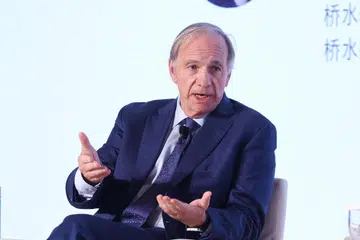
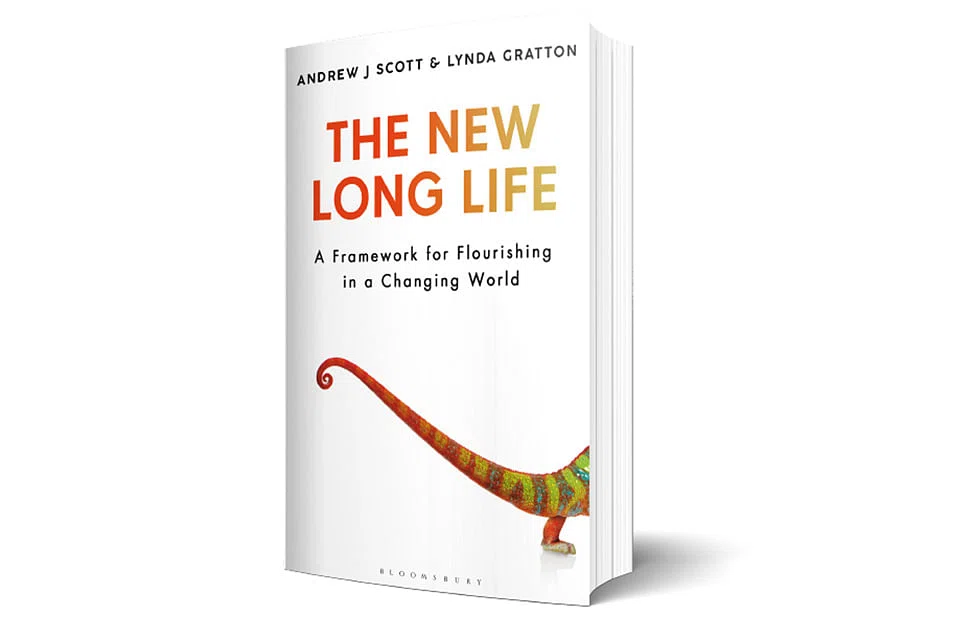
The book The New Long Life: A Framework for Flourishing in a Changing World is a companion to the authors' first bestselling book The 100-year Life: Living and Working in an Age of Longevity.
Both books make the important point that age is "malleable" and should not be confined to the traditional chronological toll of years. The new book takes the proposition further into a discussion of the impact of technology on work, and the implications of longevity for companies, education and governments.
"In the face of longevity, if we want to reimagine age then we must first decouple the idea of a simple link between time and age. That requires imagining that your age is malleable - as you live longer and with a greater chance of good health, then what it means to be 40, 60 or 80 years old will change in profound ways," says the book.
Scott was a guest in a recent webinar hosted by Prudential for high net worth clients.
Two or three years are added to life expectancy in every decade, says Scott in the webinar. This demographic trend is by no means confined to Singapore. Add smaller families to that variable, and you have a global shift: For the first time in human history, there are more people alive over the age of 65 than under 5.
The fastest growing age segment is the over-80s. Currently there are 126 million people over 80 globally. By 2050, this is expected to balloon to 447 million.
Says Scott: "At every age, we have more time ahead of us. So we need to prepare differently and . . . do things differently. We're getting married later, having children later, working for longer. But we're also ageing younger and healthier. I think seizing those opportunities is the essence of a longevity society, and how we adapt to longer lifespans."
View of age
Here are some key points that both books make: A chronological definition of age pigeonholes our lives into 3 distinct phases - education which occurs from youth to mid-20s; career which spans your 20s to the 60s; and then retirement, which can last over 30 years.
A view of age as malleable suggests that education can and should take place anytime. Work also becomes more fluid as time is "redistributed". People should be able to take frequent breaks for study or to nurture family and relationships. As for retirement, if you are prescient enough to develop your talents, professional network and reputation, working into your senior years is likely to enhance your sense of well being and fulfilment.
Today, however, the corporate world does not encourage a malleable view of age, to the detriment of workers, corporates and the economy as a whole. Singapore will be extending the retirement age in phases from next year with provisions for re-employment. But ageism in the workplace and society is rampant.
Singapore's current retirement and re-employment ages are 62 and 67, respectively. By 2030, these will be raised to 65 and 70, respectively.
The authors write: "In many companies, there is a tacit assumption that people in their 50s and 60s are less productive and less capable of learning than younger employees. With longer lives and longer careers, there is an urgent need to view how others age differently. A failure to do so will prevent the opportunities and benefits that longevity brings from being realised."
As the book points out, the 3-stage life is "deeply embedded" in companies' approach to their workforce. Human resource policy collapses individual aspirations and motivations into a "simple-minded dependence on chronological age". Younger people are recruited after full-time education; "high potentials" are promoted in their late 20s and accelerated through the promotion ladder, and a "hard stop" is in place for those in their late-50s.
To break the link between age and career stage, companies have to act on two fronts, the authors argue. They have to create multiple points of entry to enable people to scale up and down their engagement with work, and refashion retirement and productivity.
Meanwhile Mr Scott says focusing on financial assets alone in longevity planning would be a "terrible" mistake. Financial assets, to be sure, are an enabler to expand our options in terms of lifestyle, and how much and when we want to work. But there are three other types of intangible assets which should not be ignored.
Intangible assets
One is productive assets which include your skills, knowledge and professional capital or your network and reputation. Second is "vitality" assets which include your physical and mental health. Third is "transformational" assets, such as self-knowledge and openness to new experiences. These so-called assets build resilience and, as the authors point out, appreciate in value as you age.
As the book argues, intangible assets lend themselves to the power of compounding over time. A case in point is re-skilling. If you have a fixed 3-stage view of life, then re-skilling in your mid-50s may not seem worth your time. But if you expect to work for as long as 20 more years, then the investment in reskilling - or in nurturing your health and friendships - will pay back in spades over the long run.
It also helps to take a holistic view and reflect on what makes you happy. Studies have shown that for most, money may not be the key determinant of satisfaction or happiness.
Committing to an investment discipline is prudent, but there are resources other than financial that would yield long term tangible and intangible benefits, such as learning new skills, deepening family ties and friendships, and nurturing your health.
Says the book: "Beware of jeopardising your future self by not spending sufficient time in these other activities . . . In other words, it is important that it isn't just financial plans that drive your narrative, but rather it is your narrative that drives the financial plans."