

All aboard the billionaires' Bitcoin bandwagon?
The super-rich can afford to dabble in cryptocurrencies. Mere financial mortals? Not so much.
 Add BT as a preferred source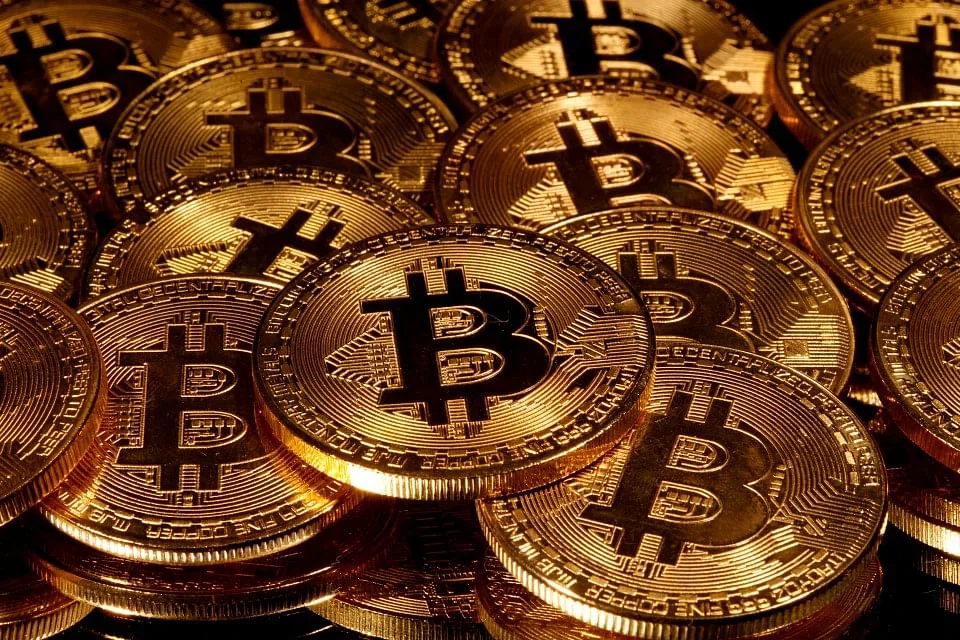
NOW that Bitcoin has topped US$20,000 for the first time, should you shift your hard-earned cash into digital currencies? History suggests caution should be your watchword, no matter how strong the fear of missing out may be.
News on Wednesday that One River Asset Management has set up a fund company that will have about US$1 billion in Bitcoin and fellow digital coin Ether by early next year suggests that institutional investors are starting to take cryptocurrencies more seriously.
There is clearly serious money involved. Chief executive officer Eric Peters told Bloomberg that billionaire hedge fund manager Alan Howard is buying a stake in the new business, called One River Digital Asset Management.
But before you race to open a digital wallet, look back to what happened to Bitcoin last time it approached these levels. A surge of 1,000 per cent in 2017 took its value to US$19,000. A year later, it had dropped to less than US$3,500.
Hedge fund managers can afford to dabble in crypto. The language Mr Peters used to describe the trade is the stuff of macro hedge fund shop talk, such as the "convexity" of volatile trades that soar in relation to other indicators like interest rates. That is reminiscent of other wealthy investors climbing aboard the bandwagon, such as Paul Tudor Jones, who compared Bitcoin to "investing in Google early". Even if they get burned on a big bet, it is money they would not miss.
But the Robinhood crowd - retail investors who may have made out like bandits this year by trading US stocks from their sofas - should beware a bonfire of their vanities.
Navigate Asia in
a new global order
Get the insights delivered to your inbox.
While Bitcoin is great as a billionaire's speculative plaything, it is hardly a useful digital currency or safe haven investment for the average punter. Few people are going to buy pizza or coffee using a method of exchange that is capable of falling almost 50 per cent in US dollar terms in a matter of days, as it did in March when Covid-19's first wave hit the West.
Even as payments companies like PayPal Holdings or Square strive to bring Bitcoin trading to the masses, very few merchants directly touch the stuff. Data from Chainalysis estimates merchants made up only about 1 per cent of cryptocurrency activity in North America between mid-2019 and mid-2020, while exchanges accounted for almost 90 per cent.
None of this bothers the champions of "digital gold", who push the narrative that Bitcoin serves as some kind of metaphorical mattress under which everyone should stuff rapidly depreciating dollars or euros.
But how safe is this safe haven? A study by the Kansas City Fed comparing bonds, gold and Bitcoin between 1995 and February 2020 found that Treasuries behaved "consistently" as a safe haven, gold did so "occasionally" and Bitcoin got a "never".
The artificial scarcity that underpins Bitcoin - from its mining algorithm to the behaviour of HODLers, who refuse to abandon their investment no matter how low it goes - helps push its price higher in the boom times. It does nothing to prevent a tumble when whales cash out. Those who follow in the footsteps of Messrs Peters, Howard and Jones will have to hope they are in this for the long haul. BLOOMBERG
Decoding Asia newsletter: your guide to navigating Asia in a new global order. Sign up here to get Decoding Asia newsletter. Delivered to your inbox. Free.
Share with us your feedback on BT's products and services
TRENDING NOW

Thai and Vietnamese farmers may stop planting rice because of the Iran war. Here’s why

As more Asean states turn to Russia for fuel, will Moscow boost its influence in the region?

Middle East-linked energy supply shocks put Asean Power Grid back in focus

Meet the women who run one of Singapore’s most trusted hotel brands

