Attractive income opportunities for uncertain markets
In a turnaround from last year, there is renewed interest in the fixed income asset class as yields have risen
 Add BT as a preferred source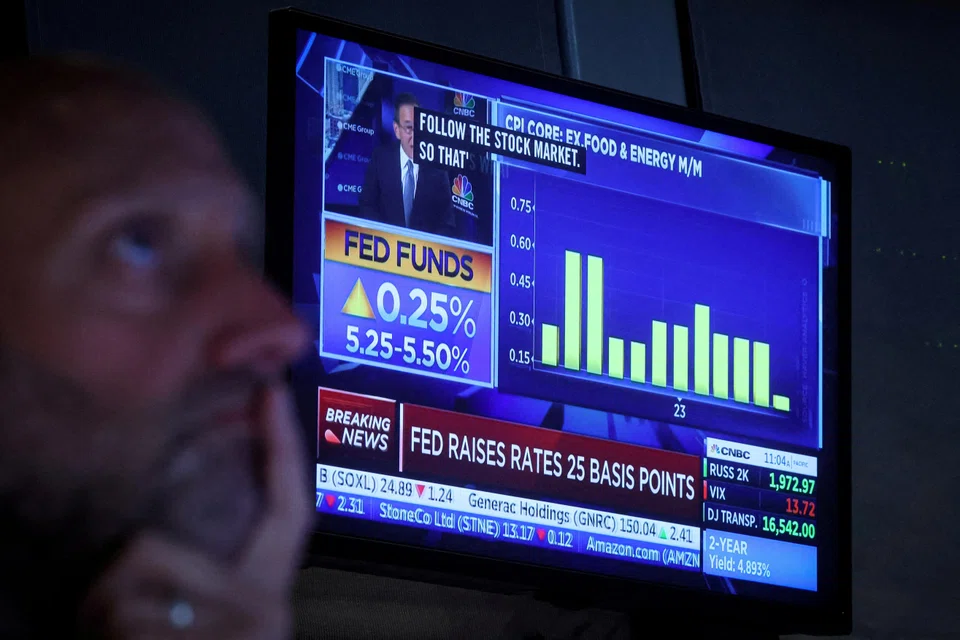
DeeperDive is a beta AI feature. Refer to full articles for the facts.
LOOKING back, the US Federal Reserve was behind the curve in starting to tackle inflation. However, once it did, it raised rates quite substantially from 0.25 per cent in March 2022 to 5.5 per cent in July 2023. Despite the significant rise in rates over the past year, we believe there are valid reasons for the current pause in hikes.
In March 2023, there was some concern that harked back to the global financial crisis as higher rates caused banking stresses, hitting US regional banks particularly hard. Concerns of contagion to the rest of the industry and the economy more broadly turned out to be unwarranted. The crisis was more idiosyncratic and affected regional banks with poor risk controls. At the time, the Fed expanded its balance sheet, while it tried to understand the ramifications of the few regional banks that collapsed.
With the US Treasury also injecting liquidity into the markets, the effect of the tightening was delayed. By summer, the Fed moved back into quantitative tightening in a meaningful way and into more restrictive territory.
Decoding Asia newsletter: your guide to navigating Asia in a new global order. Sign up here to get Decoding Asia newsletter. Delivered to your inbox. Free.
Share with us your feedback on BT's products and services