

Beyond rate hikes: Where markets may find their next drivers
Benefits of AI-related capex are set to become evident in corporate revenues, profit margins
JUNE was a pivotal month for global monetary policy.
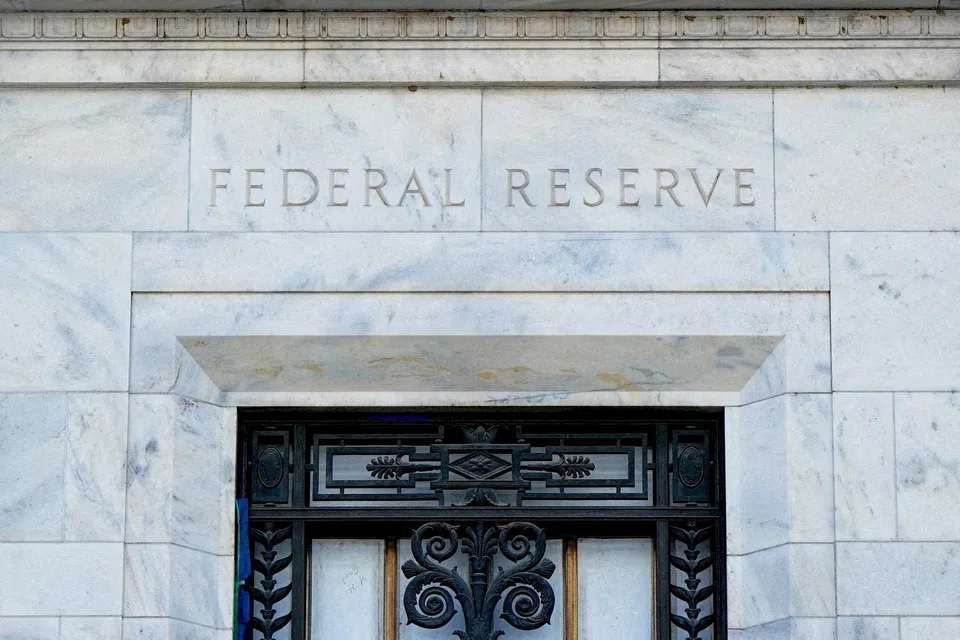
The European Central Bank raised its key policy rates by 25 basis points. The US Federal Reserve unanimously kept the federal funds rate unchanged at 3.5 to 3.75 per cent, but new Fed chair Kevin Warsh ushered in a new era seeking to re-establish the institution’s inflation-fighting credibility.
Markets have increasingly priced in the possibility that the Fed could shift its policy path, with some even expecting another rate hike before year-end.
Monetary policy is therefore likely to remain a key focus for investors over the summer.
The market’s concerns are understandable, particularly given the recent rise in geopolitical and supply-side risks. Disruptions to shipping through the Strait of Hormuz, persistent tightness across parts of the artificial intelligence supply chain, and the potential impact of El Nino on global food prices could all keep inflation elevated.
However, we believe that even if the Fed does raise rates, it is more likely to represent the reversal of the “insurance cuts” delivered over the past year, rather than the start of a full-blown tightening cycle.
The reason is simple: The US labour market has yet to generate sufficient wage pressure to trigger a sustained rise in inflation.
At the same time, the reopening of the Strait of Hormuz should help ease pressure on global energy supplies, reducing the risk of a more persistent inflation shock. While one or two additional rate hikes later this year cannot be ruled out, our base case is for policy to stay on hold.
The work of the recently established Fed task forces to review different aspects of policy will not conclude until towards the end of the year. This creates space for inflation to mechanically edge lower as commodity-related base effects.
The biggest downside risk for equities today is not so much the prospect of higher interest rates, but rather the euphoric level of market sentiment.
Monetary policy remains important, but it is arguably less dominant than it was in the two decades leading up to the Covid-19 pandemic.
Over the coming weeks, markets are likely to work through this wave of over-optimism. Once the short-term volatility subsides, however, investors are expected to refocus on corporate fundamentals, particularly as the earnings outlook remains robust.
AI and Asian equities well-positioned
Looking into the third quarter, the benefits of AI-related capital expenditure are expected to become increasingly evident in corporate revenues and profit margins, providing further support for equity markets through the remainder of the year.
Technology, industrial and renewable energy sectors remain among the key beneficiaries of the AI investment cycle, with earnings momentum continuing to improve.
Meanwhile, the full reopening of the Strait of Hormuz should provide a further tailwind for overall market sentiment and some relief for consumer incomes.
We also see opportunities in Asia. Japan continues to benefit from ongoing corporate governance reforms, as well as its strategic position within the global automation and robotics supply chain.
In China, while corporate fundamentals have started to improve, investor sentiment remains cautious. Should economic growth soften further, additional policy support from Beijing could provide a catalyst for a rerating of Chinese equities.
Why portfolio diversification matters
Investors should recognise that market dynamics have changed materially in recent years.
For more than two decades, equities and bonds generally exhibited a negative correlation, allowing one asset class to cushion losses in the other and making traditionally stable stock-bond allocations a cornerstone of multi-asset portfolios.
Since the inflation shock triggered by the pandemic, however, that relationship has become unstable and has occasionally turned positive, reducing the diversification benefits of traditional portfolio construction.
Multi-asset investing is no longer just about allocating capital between equities and bonds. Instead, it should focus on building a genuinely diversified portfolio that can generate idiosyncratic alpha and remain resilient when equities and bonds move in tandem.
This may include greater flexibility in actively managing equity positions and bond duration, or incorporating systematic hedging strategies to enhance downside protection at a relatively modest cost.
Gold’s role
Beyond equities and bonds, gold continues to play an important role in portfolio diversification.
Over the past several years, gold has benefited from heightened geopolitical uncertainty following the Russia-Ukraine war. The freezing of Russia’s foreign-exchange reserves prompted many countries to reassess the composition of their reserve assets, while central banks significantly increased their strategic gold holdings.
As a result, gold temporarily decoupled from its traditional relationship with real interest rates.
More recently, however, gold has begun to re-establish its historical correlation with real rates and become increasingly correlated to risk assets.
At the same time, investor positioning has become increasingly crowded while demand from long-term buyers has moderated, suggesting that the upside for gold prices may be more limited in the near term.
Increased volatility in Asian equity markets has also triggered some mechanical derisking of gold positions in the region.
Over the longer term, however, deteriorating fiscal positions across many major economies should continue to support demand for real assets and stores of value, providing a favourable backdrop for gold.
The writer is head of dynamic multi-asset, BNP Paribas Asset Management
TRENDING NOW

Unhealthy air quality in Singapore enough to trigger haze pollution law; NEA is monitoring situation

Once staunchly pro-China, Malaysian Chinese businesses are now distancing themselves from Beijing

Could stablecoins be the future of money?

Johor’s investment boom is real, but actual contribution from JS-SEZ unclear

