

BlackRock casts its lot with machines, over managers
Last year, US$423b left actively managed stock funds and US$390b poured into index funds.
 Add BT as a preferred source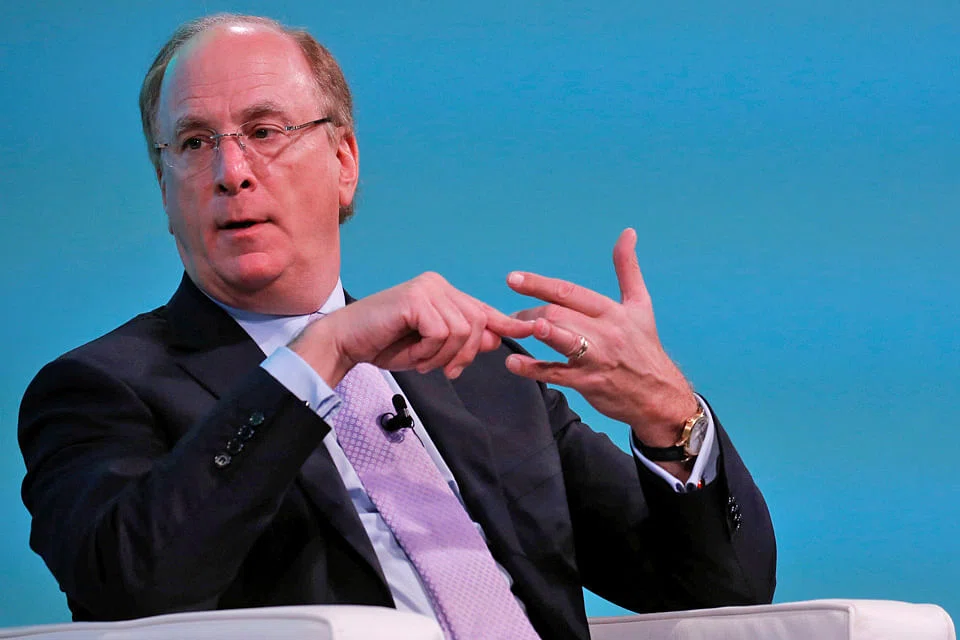
SCORE one for the machines. The largest fund company in the world, BlackRock, has faced a thorny challenge since it acquired the exchange-traded fund business from Barclays in 2009. These low cost, computer-driven funds have exploded in growth, leaving in the dust the stock pickers who had spurred an earlier expansion for the firm. The rise of passive investing - exchange-traded funds, index funds and the like - has revolutionised the investment world, providing Main Street investors with greater opportunities at lower fees while putting pressure on even Wall Street's biggest money managers.
Now, after years of deliberations, Laurence D Fink, a founder and chief executive of BlackRock, has cast his lot with the machines. On Tuesday, BlackRock laid out an ambitious plan to consolidate a large number of actively managed mutual funds with peers that rely more on algorithms and models to pick stocks.
The initiative is the most explicit action by a major fund management firm in reaction to the exodus of investors from actively managed stock funds to cheaper funds that track every variety of index and investment theme. Some US$30 billion in assets (about 11 per cent of active equity funds) will be targeted, with US$6 billion rebranded BlackRock Advantage funds. These funds focus on quantitative and other strategies that adopt a more rules-based approach to investing.
TRENDING NOW
Indonesian court upholds earlier dismissal of 2.28 trillion rupiah claim on Keppel unit’s land

Wilmar, Musim Mas among palm-oil firms in Indonesia under probe for suspected export under-invoicing

Xi Jinping has just rewritten the rules of US-China rivalry

China traders rush for exit after cross-border flow crackdown

