

Bond investors brace for worst year in decades on hawkish Fed
Hawkish statements from central bankers trigger sell-off, surge in bond yields globally; prevalent concerns that inflationary risks being underestimated
 Add BT as a preferred source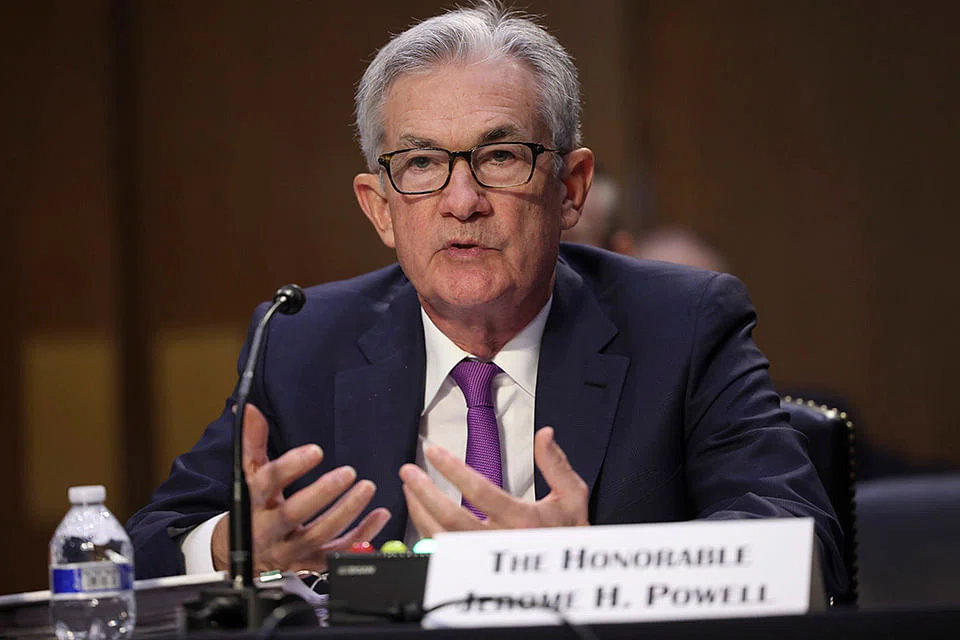
GLOBAL bond investors are facing their worst year at this point in more than two decades after a sell-off in September triggered by hawkish statements from central bankers including Federal Reserve chair Jerome Powell.
The Bloomberg Global Aggregate Index, a benchmark for government and corporate debt, has lost 4.1 per cent so far this year, the biggest slump for any such period since at least 1999.
Comments last month from Mr Powell that the Fed could start scaling back bond buying in November and a move closer by the Bank of England to raising rates triggered a surge in bond yields globally.
There were few places for fixed income investors to hide in September as they moved quickly to price in less central bank support and the risk of higher inflation sparked by improving economies seeing fewer Covid-19 cases.
High-yield indexes for US and European corporate debt suffered their first monthly declines of 2021. The Bloomberg Global Aggregate Index lost 1.8 per cent in September, its biggest drop since March.
While yields on the benchmark 10-year US Treasury had by Friday retreated from their highest levels since June, markets remain positioned for more increases in the rates.
Investor concerns are prevalent in global markets that central bankers are underestimating inflationary risks, as an energy crunch in countries including China pushes prices higher.
"We believe that the bias is for rates to continue to rise in October," said Todd Schubert, head of fixed income research at Bank of Singapore.
The ability of Democrats in the US to overcome rifts on President Joe Biden's economic agenda, including a tax and spending plan totalling as much as US$3.5 trillion, will also be key to how much higher rates go and how returns for bonds end the year.
House Speaker Nancy Pelosi sent lawmakers home on the night of Sept 30 without voting on a US$550 billion infrastructure bill, with plans to try again on Friday after moderate and progressive Democrats failed to reach an agreement on the rest of Mr Biden's spending plans.
Higher rates aren't the only concern for bond investors. The debt crisis at developer China Evergrande Group has pushed losses on junk notes from China to 13 per cent so far this year and dragged down emerging-market bond returns too. Gains for emerging-market dollar notes for 2021 to August were wiped out last month as markets convulsed.
"Until uncertainty surrounding Evergrande subsides, we do not expect a pronounced bounce back in emerging-market corporate credit," said Bank of Singapore's Mr Schubert.
Some are less bearish for bonds. "Following a 'mini tantrum' in bonds, I expect a respite in October but not a sharp reversal lower in yields," said Winson Phoon, head of fixed income research at Maybank Kim Eng Securities in Singapore. "Current rates pricing looks more reasonable and additional increases would require strong prints in economic data." BLOOMBERG
Decoding Asia newsletter: your guide to navigating Asia in a new global order. Sign up here to get Decoding Asia newsletter. Delivered to your inbox. Free.
Share with us your feedback on BT's products and services
TRENDING NOW

Jumbo Seafood to close flagship East Coast Seafood Centre outlet on Sep 30

Shanda co-founder sells Tanglin Hill bungalow for S$76 million

Johor property old hand KSL readies family handover amid market boom

Yeo’s, Tiger Beer and now Gardenia – flight of food manufacturing from Singapore might be just as planned

