Bridgewater sets up presence in Singapore, aims to hire local talent
Genevieve Cua
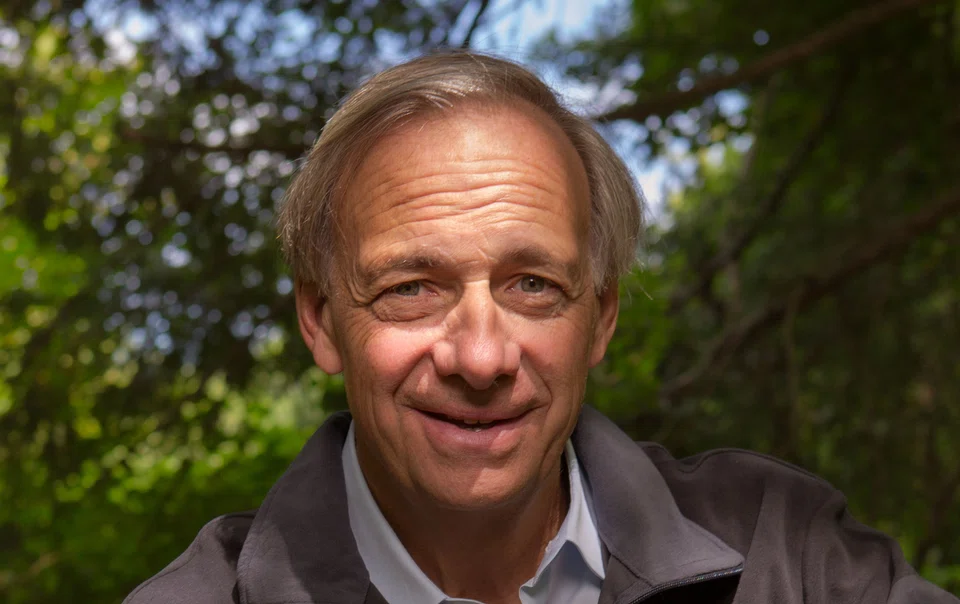
BRIDGEWATER Associates, a US$150 billion hedge fund founded by billionaire Ray Dalio, has established an office in Singapore, signalling its intent to further expand and deepen its investment research and client servicing activities in Asia.
Bridgewater is the world’s largest hedge fund, catering to institutions including pension funds, sovereign wealth funds, third-party wealth managers and family offices. Asian monies are understood to comprise more than a third of the business. The firm has catered to Asia-Pacific institutions, including those in Singapore, for nearly 3 decades.
The Singapore office currently has 12 staff; 2 are local hires. The office is headed by Chip Packard, head of client service for Eurasia. On-the-ground operations will be overseen by Margaret Wang, head of Bridgewater Associates (Singapore). The firm holds a capital markets services licence here. It employs a total of about 1,300 globally.
Established in 1975, Bridgewater employs a global macro strategy, which actively trades a broad spectrum of assets including interest rates, bonds, equities and commodities, guided by macroeconomic views. In 2020 and 2021, Bridgewater was ranked No 1 among Top 20 hedge fund managers by LCH Investments, based on net gains since inception.
Dalio, who has a family office in Singapore, is one of 3 co-chief investment officers and a member of the Bridgewater board. He founded the firm out of his 2-bedroom apartment in New York City and ran it for almost 47 years.
Kyle Delaney, Bridgewater president and chief commercial officer, said: “Having an understanding of local economies is critical for our ability to manage money well, and to provide our clients with great, insightful research. This new office will allow us to augment our understanding of how the global economy works by getting closer to differentiated thinking, markets and policymakers in the region.
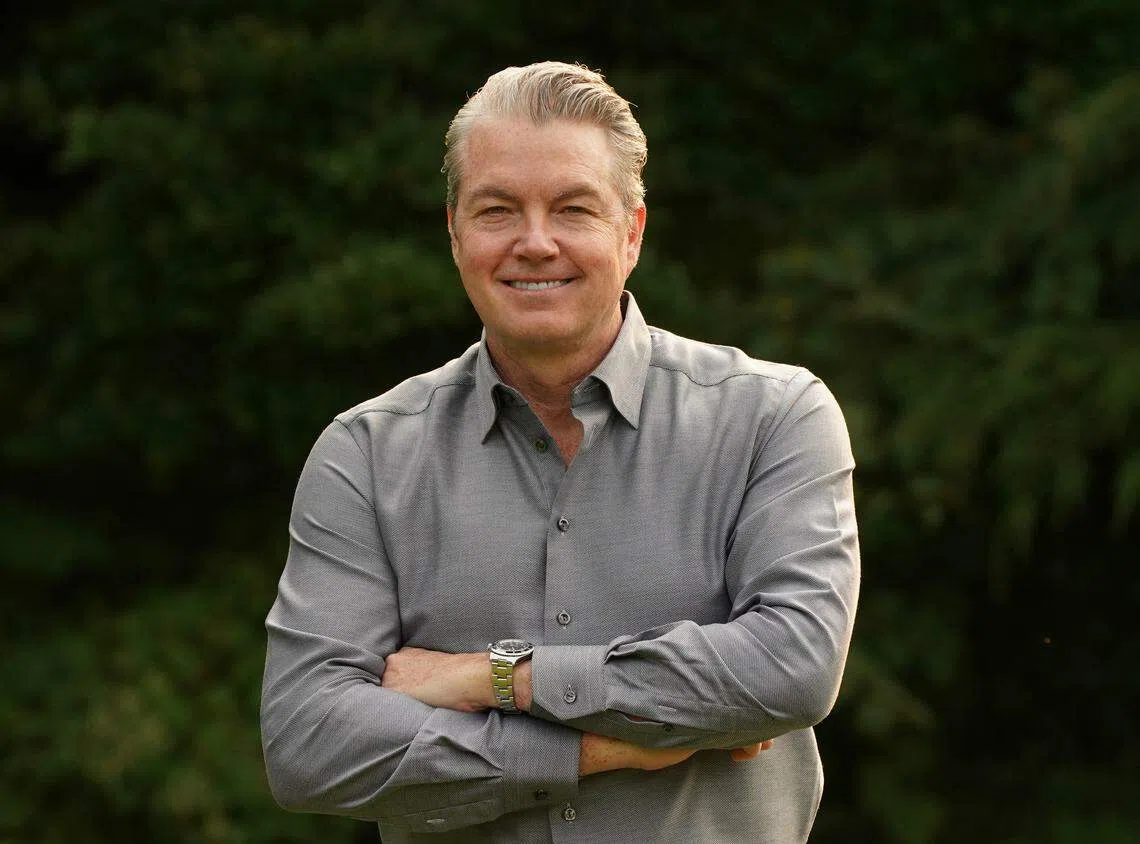
“We think it’s really important to not just establish a presence, but also to hire locally. We have an idea-meritocratic culture, where we bring together the best minds from diverse backgrounds, people who think differently, have different cultural experiences and different educational backgrounds. This enables us to have a deep, unmatched understanding of how global markets and economics operate and an edge in the markets.
“There is no shortage of fantastic talent in Singapore and one of our hopes with this new office is to harness the power of that talent and the diversity it brings to our organisation, to deepen our global macroeconomic understanding. We’ve specifically tasked the team here with identifying the best and brightest local minds with a real passion for markets and serving our clients.’‘
The firm has 2 offices in China – in Shanghai and Beijing.
Bridgewater is credited with a number of innovations. It is said to be the first to manage currency overlay strategies, and the first global inflation bond manager. It is also among the first to separate alpha from beta, and the first to advise the US government on the creation of Treasury inflation-protected securities. Alpha refers to the excess return after adjusting for market volatility; beta is a measure of market volatility relative to a benchmark.
Its flagship fund is the Pure Alpha strategy, which may be employed as an overlay on top of the benchmark. Its beta product is called All Weather, a strategic asset allocation strategy. This is a passively managed long-only fund, designed to consistently achieve the highest risk-adjusted returns from a globally diversified portfolio of liquid assets. Pure Alpha has generated an annualised return of 11.4 per cent since inception until end-June. All Weather’s annualised return since inception in 1996 is 7 per cent.
Delaney said: “The only free lunch in markets is diversification, and we think it’s underutilised by most investors. The average investor might take something like a 60/40 perspective on diversification, whereas we take that to an extreme. We trade more than 150 liquid markets around the world and have, with thousands of different positions across all the major asset classes. These positions are directional - long or short, as well as relative value, enabling us to build as robust and diversified a portfolio as we possibly can.
“Organisations that have a significant amount of wealth benefit from diversifying, and adding recurring streams (of income) to their portfolios. With fewer than 220 clients, our systems, people and strategies are focused on helping these institutions grow their wealth over time.’‘
A greater presence in Asia is expected to enhance research insights. “Asia ex-Japan markets have gotten significantly deeper and broader. The economies of Japan, Asean, China and Australia, in many ways, operate independently from other markets now, providing us with a great opportunity to find more attractive trades, and also helping us to build better, more robust and more diverse portfolios,’‘ said Delaney.