Carry-trade choice for emerging markets shifts to euro from yen
Analysts expect the yen to strengthen 2.7% by next June - doing the best among 16 major peers - while the euro is forecast to weaken 2%
 Add BT as a preferred source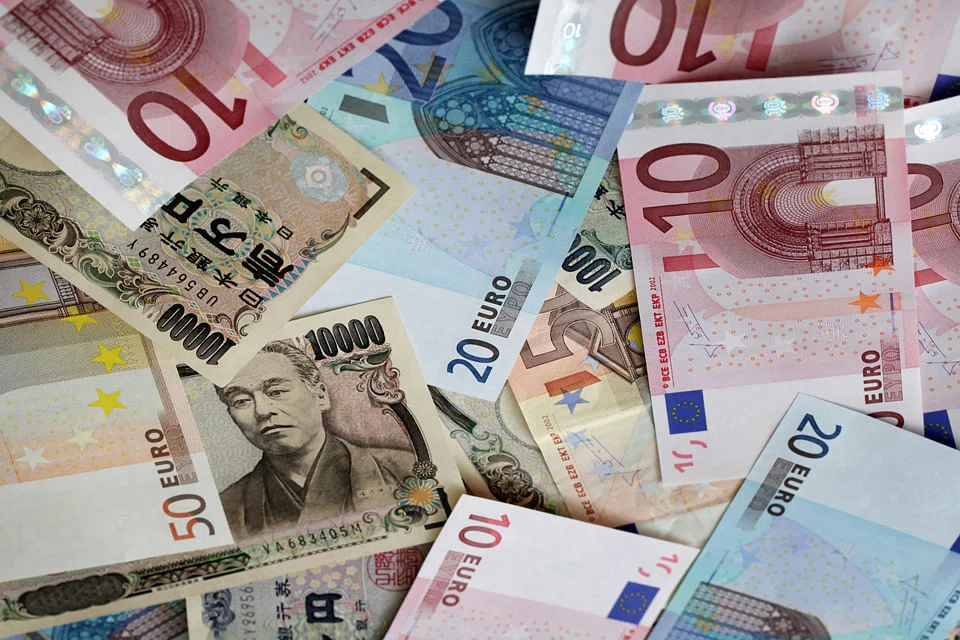
DeeperDive is a beta AI feature. Refer to full articles for the facts.
INVESTORS are starting to shift to the euro from the Japanese yen when they consider funding carry trades in emerging markets, as prospects for political turmoil in the European Union hang over the shared currency.
Carry trades involve borrowing in low-yield currencies and then buying higher-yield ones to earn the rate premium differentials. Dollar-funded strategies have suffered after Donald Trump was elected US president on Nov 8. Borrowing the greenback and buying the currencies of Brazil, Indonesia, South Africa and Turkey handed a loss of 4.4 per cent in that time. That compares with a 0.4 per cent decline for deals funded in euros and a 4.2 per cent return for the yen.
Bets on riskier assets have unravelled since the US election on speculation that the president-elect's avowed spending policies will fuel inflation and accelerate growth in the world's biggest economy. The 10-year Treasury yield has surged about 60 basis points since the vote, narrowing the premium offered by developing-nation assets. All 24 emerging-market currencies tracked by Bloomberg except the Russian ruble have since declined against the greenback.
Share with us your feedback on BT's products and services