

China property: Unstable foundations
While sentiment is improving, this might not be the time to invest in China-related high-yield developers
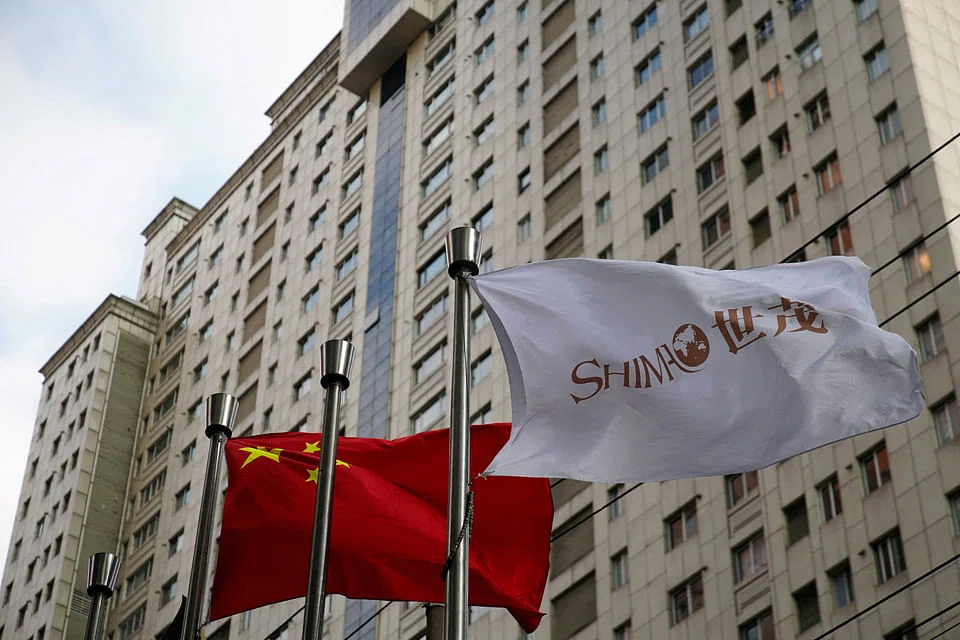
EQUITY prices of China's battered property developers have rallied strongly - up an extraordinary 31 per cent since Mar 15 - on the back of surprise statements from regulators at last week's 2022 National People's Congress that the structural crisis besetting the housing sector was set to ease, and operating conditions stabilise.
How seriously should we take this rally? Should fixed income investors - particularly investors in China's high-yield (HY) property developers - interpret the improving news flow as a signal to buy? China HY is now offering yields in excess of 30 per cent - and yields on China property names are even higher.
So might this be the time to invest in a basket of China-related HY names? We suggest not.
Sentiment improves...
Admittedly, sentiment is improving, albeit from low levels. Supportive comments on the housing sector from China's Vice-Premier Liu He, as well as media reports suggesting the much-feared property tax had been shelved and a broader reform of the property sector delayed, have been received well by investors. Similarly welcomed were indications of price stability in the property market, with average new home prices rising 1.7 per cent and 1.2 per cent year on year in January and February 2022 respectively.
However, our take on price data is mixed, and tilts more towards caution in the near term. For example, the monthly price data for China's top 70 cities shows the sector is still in the grip of falling prices. Our China property heat map shows that improving price and sales conditions started to become apparent towards the end of 2021, particularly among first- and second-tier cities. This is also supported by an improvement in our "year ahead" price forecast series.
From a regulatory perspective, we can anticipate more policy easing - eventually - to boost home-buying demand: the easing of loan-to-value limits; and modest cuts to mortgage rates for first-time buyers or even multi-home buyers, subject to provincial government decisions.
However, onshore bond issuance approval policies are likely to remain unchanged, meaning higher-quality state-owned enterprises will be able to issue debt, while lower-quality, private-owned enterprises will likely encounter meaningful impediments to raising funds.
...but defaults on the rise
In the near future, to assume the worst is over and that regulators have shelved their intention to deleverage the sector would be a mistake. Even in the last few days, warnings to the Hong Kong exchange by multiple developers of filing delays or auditor resignations reveal the scale and intensity of the pressure that still exists at the operating level. As shares among developers, unable to release their results on time, are subsequently suspended from trading, it is quite possible the rally of the last few days will reverse.
Meanwhile, there are few signs of a let-up in the liquidity crunch among developers, which is causing default rates to accelerate. On Mar 23, China's third-largest developer, Sunac China, announced it was seeking a 2-year payment extension on its 4 billion yuan (onshore) bond due 1 April. The company also announced it would miss the Mar 31 deadline for filing its audited accounts.
The latest data shows that the year-to-date default rates for China's HY property sector is at 5.5 per cent. However, if one were to assume that all the bonds from issuers that have entered into either a bond exchange or maturity extension transactions were in default, the equivalent default rate would rise to 23.4 per cent. In other words, default rates remain high, particularly with a steep and challenging maturity schedule in the coming months.
What is quite clear is this: try as they might, positive noises from regulators are unlikely to spontaneously change the entrenched risk-adverse lending behaviour among banks, unless backed up by accompanying concrete policy action, which is highly unlikely.
Rather, banks would need direct and specific guidance to extend credit, or they will continue to base lending decisions on their own risk management model, which would mean continued denial of additional credit to weaker names. Indeed, the fact that huge developers are experiencing problems suggests the magnitude and intensity of the liquidity squeeze among smaller real estate companies is even greater.
What would it take to change our minds?
One word: legislation. There is a world of difference between guidance and legislation. And until we see firm evidence of legislative changes that are firmly supportive of the property sector, we would remain cautious. For example, legislation diluting or relaxing the 'three red lines'; direct intervention in averting corporate defaults; and/or a rise in US dollar bond issuance would be seen to have a powerfully supportive role in steadying the sector, in our view.
The reality is, we feel the authorities have sufficient and requisite policies and levers in their tool box to assist - or at least ease - the challenges ahead. For example, purchase-and-loan restrictions in first- and second-tier cities remain significantly strict, and room exists to relax these constraints.
Until then, China's policy environment towards the property sector is heading in the right direction but it is too risky just yet to venture into HY territory - both onshore and offshore.
The writer is chief investment officer, Asia-Pacific, Credit Suisse.






