

China stock market being held hostage by a few IPO plans
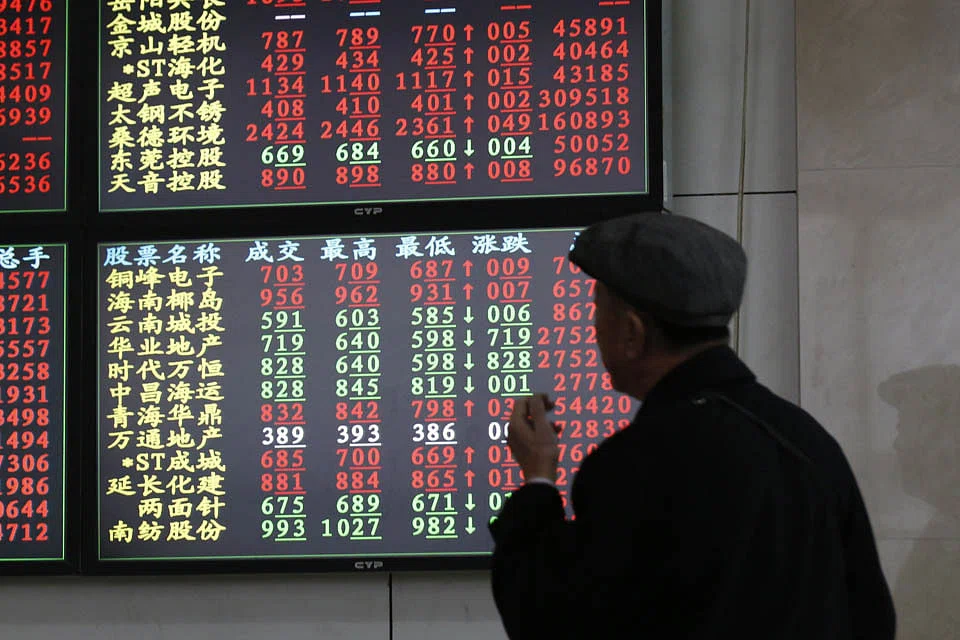
Shanghai
SO much money is chasing after China's next round of initial public offerings (IPOs) that the nation's US$4.3 trillion stock market has become hostage to the fundraising plans of companies seeking just US$1.3 billion.
As brokers take orders this week for the next 11 IPOs, investors are bracing for short-term swings in shares. In the six previous periods when authorities allowed IPOs, the Shanghai Composite Index fell an average 0.7 per cent in the run-up to bidding, then rose 3.3 per cent in the five days after it ended.
"It has become a very set pattern," said Wang Weijun, a strategist in Shanghai at Zheshang Securities Co. "We've seen liquidity inflows and outflows during IPO periods."
Mainland investors will probably place 1.6 trillion yuan (S$340 billion) of orders this week for the offerings, or 195 times the amount of shares offered, according to Shenyin & Wanguo Securities Co in Shanghai. The bids are holding back gains in the Shanghai Composite Index as investors avoid buying stocks that already trade to keep their cash available, said West China Securities Co. The benchmark gauge rose 1.9 per cent on Monday, about half as much as the Hang Seng China Enterprises Index of Hong Kong-listed stocks.
Investors trying to boost their odds of getting an IPO allocation through the nation's online lottery system are borrowing money to amplify the size of their bids, driving up a gauge of overnight interest rates on Monday and prompting the central bank to inject cash into the banking system on Nov 21. Regulatory pressure to prevent overvalued listings led to an average first-day gain of 43 per cent this year.
Chinese authorities have been allowing IPOs in batches this year, with a new group of companies getting approval to sell shares each month since June. The China Securities Regulatory Commission (CSRC) has said that it is preparing to move towards an American-style IPO registration system, which would ensure that issuers meet disclosure requirements while leaving investors to judge if companies are fairly priced. The CSRC did not reply to an e-mailed request for comment.
The Shanghai Composite rose 0.7 per cent at the midday break, heading for a fourth day of gains.
The pattern of restrained stockmarket performance before the bidding period, followed by a rally after it ends, may repeat this time around, according to Hao Hong, managing director of China research at Bocom International Holdings Co.
Returns during the bidding process tend to be muted, with the Shanghai Composite rising four out of six times this year and falling the rest, for an average gain of 0.7 per cent. The gauge rallied in all six occasions after bidding ended, according to data compiled by Bloomberg.
In July, investors placed more than 655 billion yuan of bids for nine companies raising 3.2 billion yuan, an over-subscription rate 28 times bigger than that of Agricultural Bank of China Ltd's listing at the height of the nation's IPO boom in 2010. Companies that completed IPOs this year have rallied an average 228 per cent from their offering prices, according to data compiled by Bloomberg.
The impact of IPOs on China's stockmarket performance is not strong enough to guide investors' buying and selling decisions, said Fraser Howie, a director at Newedge Singapore and the co-author of Red Capitalism: The Fragile Financial Foundation of China's Extraordinary Rise. Government policy changes or economic data may outweigh the IPO effect, he said.
"I would be cautious on trading on this because the underlying mechanics are less than you think," Mr Howie said. "There is some draining effect, but the argument is more psychological."
The People's Bank of China added money to the banking system on Nov 21 as a cash shortage stemming from new share sales drove up money market rates, according to two people with direct knowledge of the matter who asked not to be identified. The monetary authority later that day announced its first interest rate cut since 2012.
Six of the past seven reductions to interest rates and reserve requirements have been followed by declines in Chinese stock prices over the next two months, according to data compiled by Bloomberg. BLOOMBERG
TRENDING NOW

Singapore expects all parties to honour commitments, says PM Wong after Indonesia cuts gas exports

Gas Supply may pursue remedies if contract breached following Indonesia’s export cuts: Tan See Leng

SoftBank’s Son plans US$50 billion Malaysia tech outlay: Anwar Ibrahim

Is Manila Asia’s new dining hot spot?

