

A deal is the best way out for both Greece and EU
Athens can avoid the economic mayhem that may follow a default and EU can avoid the threat of contagion to other peripheral countries
 Add BT as a preferred source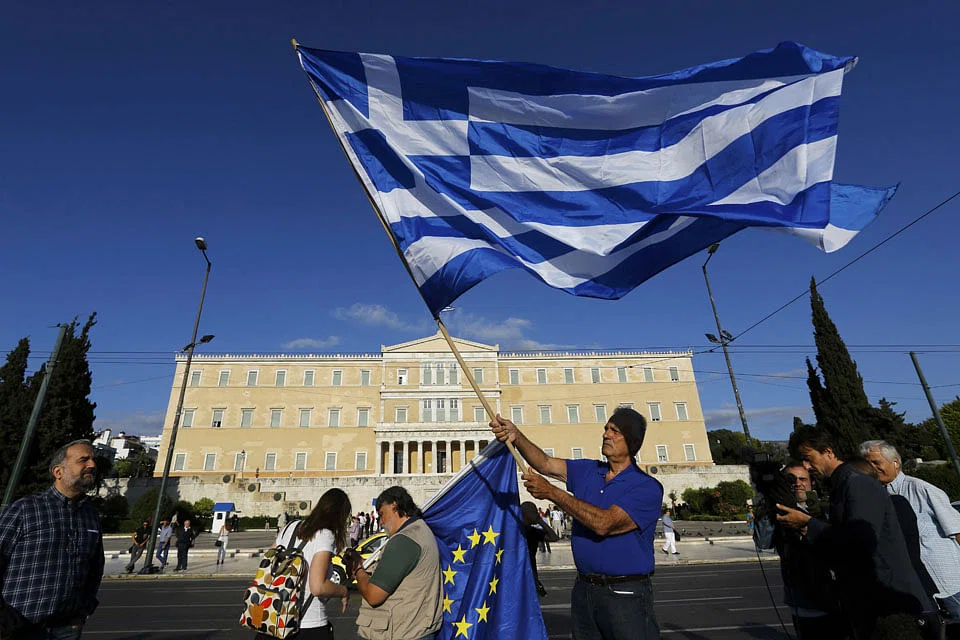
DeeperDive is a beta AI feature. Refer to full articles for the facts.
IT'S now coming up to six years since Greece first revealed that it had understated its true level of public debt. And this is the fourth year in which it has seemingly held global financial markets to ransom as a result of its excessive public debt level. To be honest it's becoming a bit of a drag. Greece should never have made it into the euro, but of course getting it out again is easier said than done. Greece is now rapidly approaching another moment of truth, and this has been causing increasing angst in investment markets with the risk of more to come. This note looks at the key issues.
What is the current state of negotiations?
In February Greece and its creditors (the International Monetary Fund, the European Union and the European Central Bank) agreed to extend its current bailout programme to end-June. Since then the two sides have been negotiating the release of 7.2 billion euros (S$10.8 billion) of funds under that programme. Negotiations have not gone well with Greece's new Syriza-led government hoping to extract something more favourable. The size of the targeted primary budget surplus (ie the surplus excluding interest payments), pension and labour reforms have been sticking points along with Greece's desire for a reduction in its debt level.
Copyright SPH Media. All rights reserved.
TRENDING NOW

Vietnam formalises new state leadership, redefining ‘four pillars’ power balance

‘Largest Singapore commercial S-Reit proxy’: analysts say buy CICT shares after Paragon acquisition

From 1MDB to ‘corporate mafia’: Is Malaysia facing a new governance test?

Why where you park your joint venture matters: Lessons from a US$689 million shareholder dispute

