ESG ratings are too simplistic
At the minimum, investors need 2 distinct ESG ratings of companies - 1 to reflect positive impact and a second the negative externalities.
 Add BT as a preferred source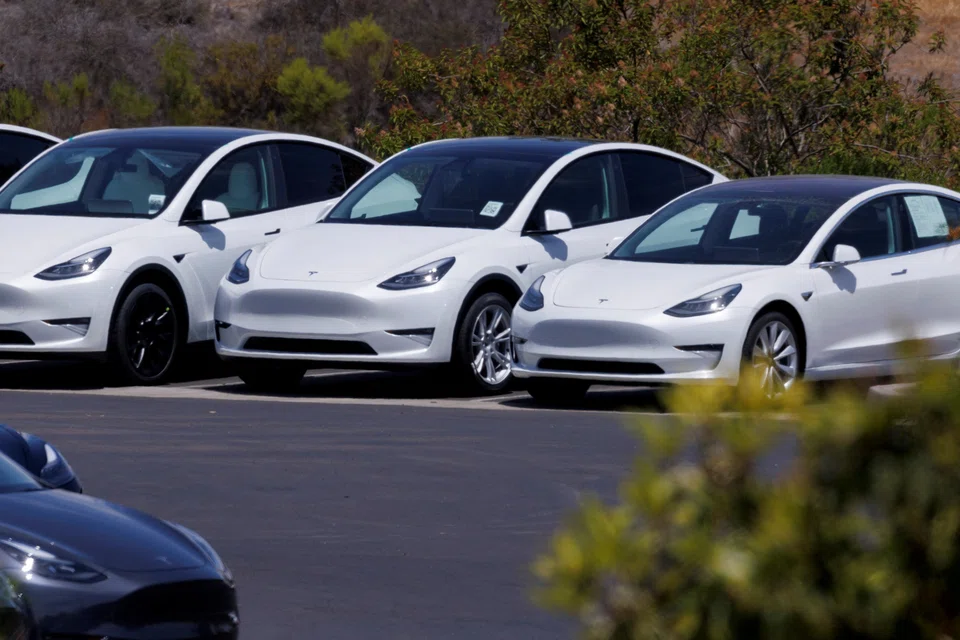
THE decision to remove Tesla from the S&P 500 ESG index earlier this year struck an odd note to many. Its products have been a catalyst in electrifying transport. Yet it was excluded due to its shakier record on labour rights, the greening of its production facilities, and issues with its battery supply chains. These factors weakened its overall ESG (environmental, social, governance) rating on which the index decision was based.
Tesla board member Hiromichi Mizuno, a pioneer of ESG investing in Japan, accused the ratings provider of giving too much weight to negative impacts and not enough to positive ones. There may be some truth to that, but it is also clear that a single, data-driven ESG rating cannot and should not try to be everything at once.
Multiple ratings
At a minimum, there need to be 2 distinct ratings: 1 to reflect a company’s positive impact and another, its negative externalities. Attempting to capture both in 1 score dilutes the informational value of the final rating - as the positives and negatives inevitably cancel each other out, resulting in a rating that fails to represent either and can’t be relied upon to guide capital allocation decisions.