

Expanding our time horizon will see us through
The global economy was already at the late stage of its business cycle, with debt and valuation levels hitting historic highs, even before the Covid-19 pandemic
MANY have experienced dramatic equity market meltdowns in the past but few have ever witnessed such sudden eruption in global equities. Compounded by a crash in oil prices, March witnessed the fastest slide of equities into bear market territory since 1929.
The S&P 500 has since climbed more than 25 per cent (in US dollar terms) since March 23, but the outlook remains challenging for investors.
Mounting uncertainties have kept the outlook opaque. Volatility has skyrocketed across different asset classes, and implied equity volatility in March surged past the peak of 2008's global financial crisis. This combination of factors sent investors fleeing from risky assets such as equities and high yield bonds, opting for cash or the relatively safer Treasuries.
Looking back, the global economy was already at the late stage of its business cycle, with debt and valuation levels hitting historic highs. The Covid-19 pandemic just happened to be the catalyst for a downslide.
We believe a Covid-19-triggered recession is now inevitable across the global economy. Liquidity and credit conditions have tightened for many companies.
To combat these dreadful challenges, policymakers and central banks have rapidly unleashed massive levels of stimulus, both monetary and fiscal, including some drastic and unprecedented measures. While the actual impacts of such stimulus are tough to assess now, these interventions have partially achieved their objective of calming the global financial markets.
Opportunities in North Asian equities
Given the current backdrop, we believe that selection of equities should be made cautiously. For us, rigorous assessment of economic fundamentals, policy measures, valuation levels, and Covid-19 developments is crucial to form our views on regional equities. Taken together, we now see opportunities in Asian equities, especially those in the Greater China area such as China (A and H shares) and Taiwan. We think that this region will lead the eventual global economic recovery after the pandemic has peaked.
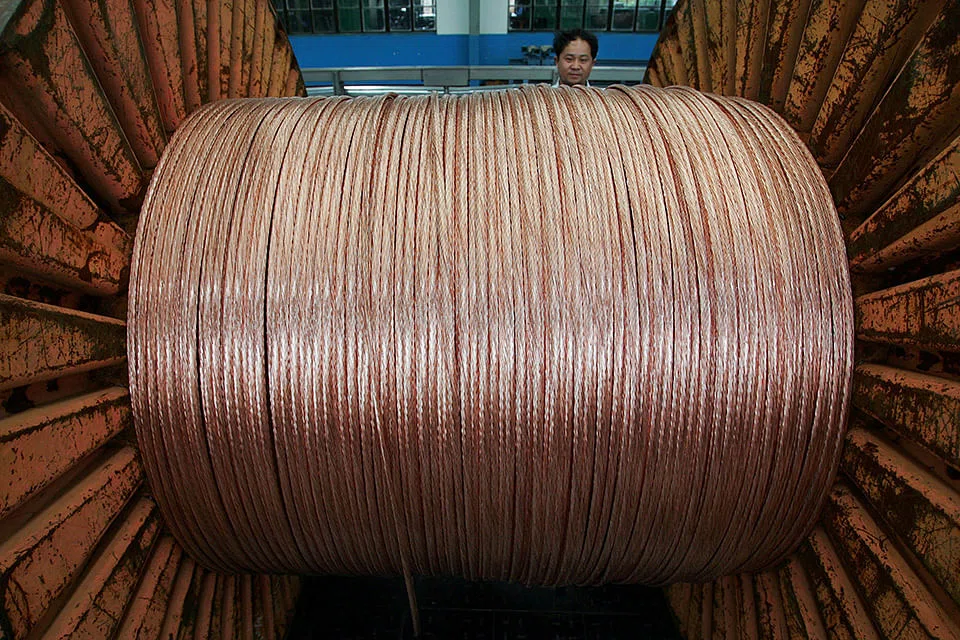
In China, the Covid-19 crisis has seemingly passed its worst and economic activities have steadily recovered. Recent data shows a rebound in coal consumption and decline in inventories of industrial metal (ie copper), as well as a surge in traffic congestion in major Chinese cities. While China's first-quarter gross domestic product (GDP) reflects deep contraction, which we have anticipated, we expect growth to resume for some sectors in Q2.
To aid the country's recovery, Chinese policymakers have injected substantial fiscal (backed by higher fiscal deficit ratio) and monetary stimulus, boosting liquidity in its financial system. We believe the timeliness and magnitude of those measures will play a major role in hastening China's economic recovery.
Even after a downward revision to earnings, valuation level for Chinese equities remain attractive. This is particularly the case for H-shares, which are trading at a significant discount to historical averages. Similarly, we anticipate a stronger pick-up in earnings growth for Chinese corporates. Taken together, we expect large potential upside in the next two years.
Taiwan is one diamond in the rough in the Asia. It has achieved tremendous success in containing Covid-19, due to effective and swift health measures. The avoidance of lockdown measures (opting for social distancing) means minimal economic disruptions for Taiwan. Consequently, early data reflected the economic resiliency, especially against trade-exposed regional peers, as manufacturing and trade-related data have surprised positively.
Investing in Taiwan is a strategic play on the cyclical recovery in time to come. A recovery will enable the resumption of 5G network deployment, thus uplifting Taiwan's semiconductor-focused equity market. Risk sentiment should also improve in a recovery, driving foreign inflow into Taiwanese equities (40 per cent owned by foreign investors). Moreover, a China-led cyclical recovery should further improve Taiwan's economy given its outsized trade exposure to China (40 per cent of Taiwan's total exports). We believe the combination of attractive valuation and high dividend yield of over 4 per cent solidify Taiwan as an attractive investment currently.
Segments in debt market now appealing
Massive fiscal stimulus and purchase of corporate and high yield debt by central banks are pillars of support for many segments of the credit market. As witnessed in the US and Europe debt markets, policy interventions not only supported corporate fundamentals (via relief package) but also ameliorated liquidity and credit risks.
With the Fed backstopping US corporate credit, we believe investment grade (IG) debt offers a combination of liquidity and safety, desirable attributes in debt markets today. Concern over "fallen angel" risk as well as the broader credit risks has subsided rapidly with policy intervention.
For investors rushing into safer assets, US IG debt is more attractive from a potential capital gains and yield perspective, relative to the Treasuries. It offers a higher coupon income in a yield-starved world, without too much trade-off in safety.
While we remain cautious on US high yield (HY) debt due to the poor economic outlook, we remain cognisant that a portion of liquidity and credit risk has been mitigated through recent intervention by the Fed.
At yield-to-worst of almost 8 per cent, we believe US high yields bonds can serve as a good source of income in investors' portfolios. As a low-yield environment is likely to persist, the hunt for yield should engender a shift towards higher yielding debt with more favorable risk-reward profile.
All things considered, there is a reasonable chance that the US economy worsens over the coming months and yield spreads widen again. But for long-term investors, we believe the risk-reward for US HY has tilted positively and they are well compensated while waiting for spread compression.
Near-term outlook
As the earnings season ramps up, investors can expect a resurgence of selling pressure. That could be amplified by a barrage of negative surprises in global economic data for March. Beyond that, there is a lack of clarity on the most probable economic recovery path given the fluidity of the Covid-19 situation.
At this point, we are unlikely to be out of the woods, and there could be more financial and economic pain before the final capitulation. Nonetheless, as investors, we should not play the waiting game, nor should we be too focused on timing the bottom. Attractive opportunities still exist in the current markets. By expanding our time horizon and looking beyond this year, we believe one can be well rewarded by positioning for an eventual economic recovery.
TRENDING NOW
Can a first-time homebuyer couple earning S$18,000 a month afford a new EC unit?

He built the Vingroup empire. Now South-east Asia’s richest man is handing some key roles to his sons

Asia needs new energy security architecture

Chagee, Mixue and Luckin won the market. Sustaining their edge is the harder part

