

Falling oil prices = merrier X'mas
The US economy will receive a multibillion-dollar boost through the holiday season and into next year as Americans consumers get to spend more.
New York
AMERICAN consumers are going to enjoy a more bountiful Christmas this year, thanks in part to a most unlikely source: Saudi Arabia.
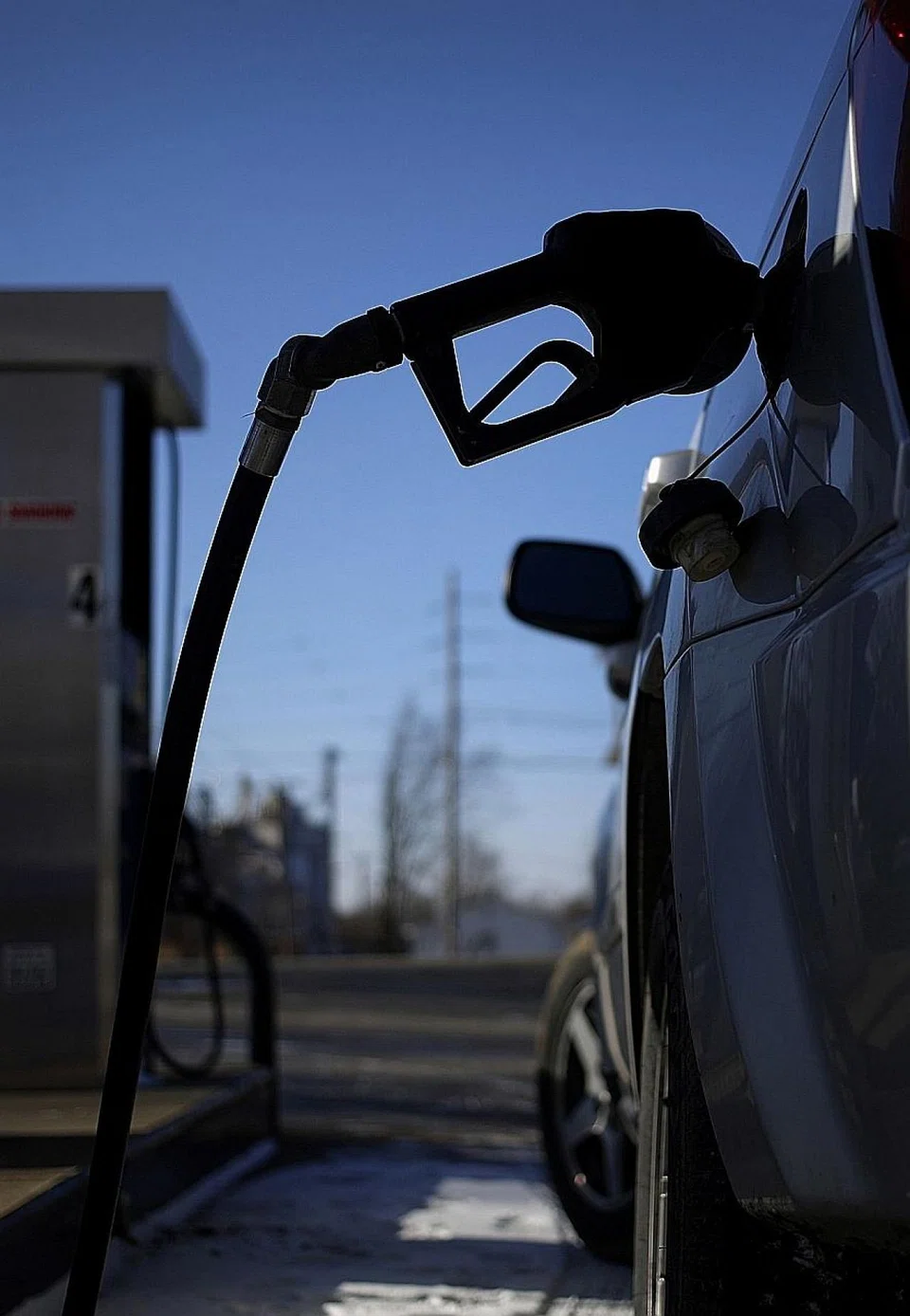
The steepening drop in gasoline prices in recent weeks - spurred by soaring domestic energy production and Saudi discounts for crude oil at a time of faltering global demand - is set to provide the US economy with a multibillion-dollar boost through the holiday season and beyond.
The windfall, experts say, comes at a critical moment, with the US economy on the upswing but facing headwinds from other quarters, including weaker exports because of slow growth overseas. Gas prices recently dropped below US$3 a gallon for the first time since 2010, while crude oil prices have fallen by more than US$25 a barrel since midsummer, settling on Thursday at just above US$74.
"If oil prices stay between US$75 and US$95 a barrel, we would see the kind of stimulus package that the Federal Reserve or Congress could never do," said Douglas R Oberhelman, chief executive of Caterpillar, the multinational maker of heavy construction equipment.
The impact is especially significant for low- and middle-income Americans, who have been largely left behind by the anaemic economic recovery that began in the middle of 2009. Even as the job market has improved, most workers have received only modest wage increases. Median income remains roughly 5 per cent below the peak it hit in 2007.
Of course, the shifting energy picture will create losers as well as winners. Falling crude prices could eventually slow surging domestic oil and gas production, dimming one of the major economic bright spots of recent years. But while a further decline in oil prices would make it harder to tap the most costly oil shale deposits and deep offshore reserves, economists say the overall momentum will more than compensate for any potential slowdown in the energy sector.
"When oil prices fall, the benefit to consumers outweighs the loss to producers," said Dean Maki, chief US economist at Barclays. "Investment in oil and gas production is still less than one per cent of gross domestic product. Consumer spending is 68.5 per cent of GDP."
Even in Texas, the estimated loss of 15,000 energy-production jobs that might occur if lower crude prices persist would be offset by increased employment in sectors like refining and transportation, as well as in businesses that rely on consumer spending, according to Mine K Yucel, senior VP and director of research at the Federal Reserve Bank of Dallas.
"There may be some slowing, but it's not going to be dramatic if we stay around US$80," Mr Yucel said. "If the price goes below US$70, we will probably see a tapering off of production."
In the meantime, the most economically fragile part of the population is already feeling some relief, which is likely to lead to extra spending on a variety of other goods and services.
Penny-pinching has been a way of life for Elaine Murszewski since she was laid off from her tech-support job in 2009, but Ms Murszewski, who is self-employed in the Denver suburb of Aurora, says lower gas prices are already making life a little easier. "If my clients need me to go to their homes, I don't have to worry about my gas tank being empty," said Ms Murszewski, who cobbles together about US$900 a month helping two clients organise their offices and run online marketing campaigns.
With Americans spending roughly US$1 billion a day on gasoline, Tom Kloza, global head of energy analysis at the Oil Price Information Service, estimates that consumers will save roughly US$8.4 billion in November and December, compared with the last two months of 2013, based on an average price for regular gasoline of about US$2.89 a gallon as opposed to US$3.23 last November and US$3.26 last December.
The typical American household buys 1,200 gallons annually. So if prices fall to the level Mr Kloza predicts and stay there, that adds up to a yearly savings per household of at least US$400. A 15 per cent drop in the cost of home heating oil since last winter should also be helpful, especially as cold weather arrives in the northeast.
The extra cash in shoppers' wallets and pocketbooks could help generate nearly half a percentage point in added economic growth in the fourth quarter, and roughly US$70 billion more in consumer spending over the next year, according to Barclays.
At Mall of America, a sprawling complex with 500 stores just south of Minneapolis, the drop in gas prices came as welcome news. Almost half of the 40 million visitors a year are out-of-state tourists, and most of them drive to the mall, said Dan Jasper, a mall spokesman.
"If they can save some money on gas, it makes it much easier for families who might be on a budget to hop in that car and come up for the day," Mr Jasper said.
Crude oil prices have been falling since they peaked early in the summer, as demand slowed from China and weak European economies. The decline sharpened earlier this month when Saudi Arabia, the world's largest oil producer, cut the price of exports to the United States in a bid to retain market share.
At the pump, the drop in prices has been rapid, and most experts do not foresee a reversal of the trend anytime soon.
"We think lower gas prices in the US are going to last for at least a year," said Edward L Morse, global head of commodities research at Citigroup. "Even if growth turns around globally, it would take two years of added demand around the world to move prices per barrel back to the mid-90s."
On Wednesday, the federal Energy Information Administration cut its forecast for crude prices next year to US$83 per barrel, US$18 less than what the agency estimated last month, and predicted that the price of regular gasoline would stay below US$3 gallon through all of 2015.
The automobile industry looks to be among corporate America's biggest beneficiaries. Sales of trucks and sport utility vehicles (SUVs) jumped 9.1 per cent last month from October 2013, according to Autodata Corp, as consumers flocked to more expensive, less fuel-efficient models that generate bigger profits for automakers. Passenger car sales registered a 2.8 per cent increase.
But while some experts fear that efforts to conserve energy will falter if gasoline prices stay low, automakers say they will be more careful this time about ramping up production of SUVs in response to cheaper gas, to avoid being left with bloated inventories when prices eventually rebound. NYT
TRENDING NOW

Nvidia reinstates Jensen Huang as CEO; Trump says move poses no national security risk

Indonesia’s coal tycoon Low Tuck Kwong replaced as Bayan Resources president-director

Nvidia surges 33% after reinstating Jensen Huang, reviving AI trade; stocks soar in US and Europe

Consider lowering homeownership barriers for some non-resident foreigners

