Finding financial clarity in an increasingly complex world
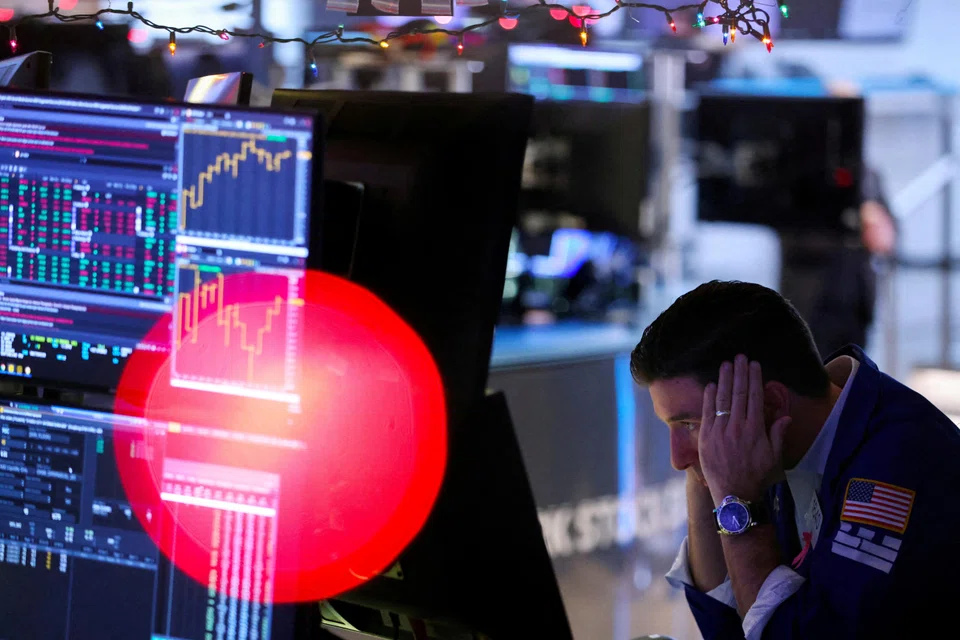
IF THERE is one thing of which investors can be certain, it is that crises can strike at any time. From Covid-19 to the Russia-Ukraine war to the worldwide cost-of-living crisis, 2022 was marked by such events – which, with global dimensions, tend to reinforce one another.
Inflation, for example, climbed to multi-decade highs in 2022, with price pressures broadening to housing and other services. This stemmed from a combination of supply chain disruptions caused by the pandemic and the war in Ukraine, which led to a surge in food and energy prices.
Alarm bells are already sounding as we journey into 2023, with many economists and policymakers predicting a recession in the coming year. We have seen this story before. Historically, when inflation is high and central banks respond by hiking interest rates to quell inflationary pressures, the global economy ultimately caves under the weight of these higher rates.
Whether the incoming stretch of inflation will be long or short is very much up for debate, but the consensus view is that the global economy will go into a period of contraction.
For investors, understanding how these factors may play out and influence one another is important in finding clarity in the middle of an increasingly complex world, and implementing a successful plan that can safeguard their finances.
How we should be saving and investing today
Building an emergency fund of at least six months of living expenses may seem like a repetitive talking point, but only because it is an essential component of financial preparedness. Many did not realise the importance of savings and investment until the pandemic took a definitive hit on pension savings and retirement income.
In a March 2022 survey by St James’s Place Asia, cash remains the asset class in which investors in Singapore are most confident (90 per cent), followed by property (75 per cent) and insurance (68 per cent).
The general sense of uncertainty about the economy has provided a timely reminder of why everyone needs to have an emergency cash reserve. However, while cash savings are a vital part of our resources, simply setting aside money in the short term is not enough.
Investing allows for the potential for your money to grow into a bigger sum, benefiting from the “snowballing” effect of compounding. Even though it involves taking more risk with the money you put in, the ups and downs of markets typically even out over the long term.
During periods of economic contraction, it is common to see the stock market declining, which provides an opportunity to invest or purchase shares of companies at a discounted price. Between January and mid-October 2022, the S&P 500 index had declined by over 20 per cent, recording the worst performance since 2008. While a short-term investor might see this as a loss, it presents an opportunity for the long-term investor to build wealth.
Having someone play the devil’s advocate
Regardless of whether we are currently experiencing the calm before the storm, building one’s investment portfolio is dependent on the ability and willingness to take on risk. It is critical to first understand your acceptable risk profile, along with other factors such as the preferred length of time of investment and risk tolerance.
This is where having measured and appropriate financial advice truly stands out. While it is normal to seek counsel from family and friends, guidance is far more valuable when it comes with impartiality.
Having professional, third-party financial advice can help connect the emotional dots of a person’s risk analysis. Having them play the devil’s advocate can provide objectivity in difficult situations and valuable counsel, while also ensuring peace of mind.
Preparing for financial turbulence
While major economic events make it challenging to achieve returns, maintain financial stability and grow wealth all at the same time, it is important to remember that markets have always been forward-looking and will continue to be. The key is to remain fully invested and focused on long-term goals, and not be side-tracked by short-term market gyrations.
The market uncertainty in the past 12 months has underscored that when it comes to financial management, being prepared for market volatility, inflation and falling returns is as important as ensuring you are invested in the right asset class during a period of growth.
What matters most is ensuring that as an investor, you are prepared to stay the course and have a portfolio that can weather the ups and downs, while achieving your investment objectives. Even though 2023 will likely be a bumpy ride, the financial lessons that we can take away from such an extraordinary time will only inspire us to make the changes we need to improve our financial health in the long run.
The writer is partnership director at St James’s Place Asia.