

Flying cars: investment fantasy or the next big thing?
eVTOL innovation will change the way we travel but challenges remain in its commercialisation
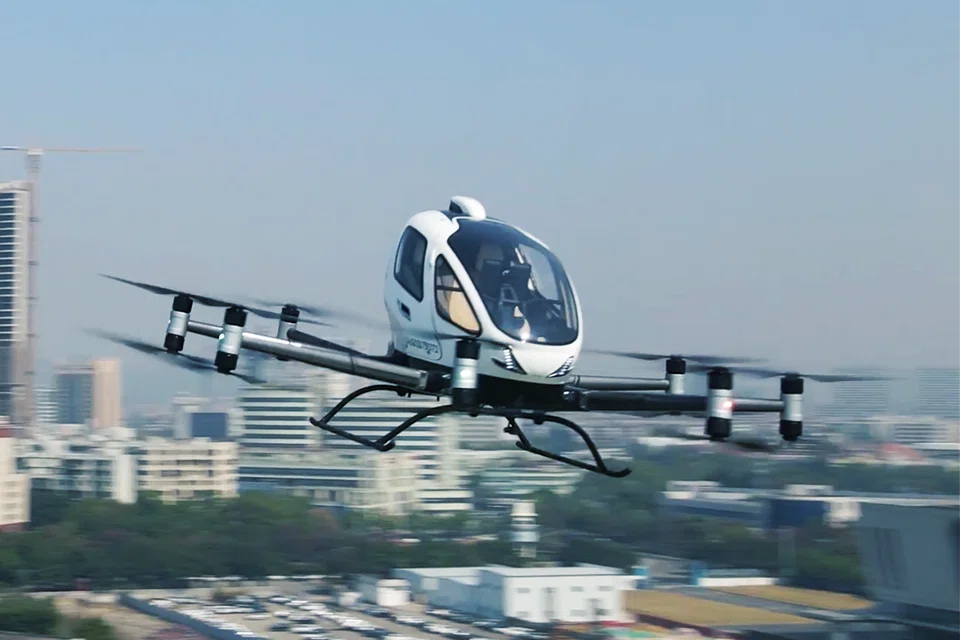
AS AN equity analyst, I have taken many field trips across Asia – from visiting robot exhibitions in Tokyo to the world’s biggest duty-free shop on China’s Hainan Island. But none of them were as adventurous or as futuristic as this one: a test flight in an electrified two-seater aircraft. It is the closest we may get to a flying car.
It is a wet summer afternoon, and I am at EHang Holdings’ test site on the Pearl River in the southern Chinese city of Guangzhou. The company is the first electric vertical take-off and landing (eVTOL) maker in the world to receive a licence to carry passengers commercially. The battery-powered aircraft can take off and land like a helicopter, and cruise like an airplane.
The model I am testing is EH216. It has a sleek, oval-shaped cabin and eight pairs of motors fixed at the end of eight arms, like a giant drone. The cabin has two seats, but I will be the only one on board – this fully autonomous vehicle has no pilot.
TRENDING NOW

Once staunchly pro-China, Malaysian Chinese businesses are now distancing themselves from Beijing

Looking beyond looming CEO succession, should UOB potentially pursue a transformative merger?

Could stablecoins be the future of money?

Grab CEO’s wife Chloe Tong on life with Anthony Tan and finding her purpose

