

The global appeal of collectible sports trading cards
Tan Ai Leng
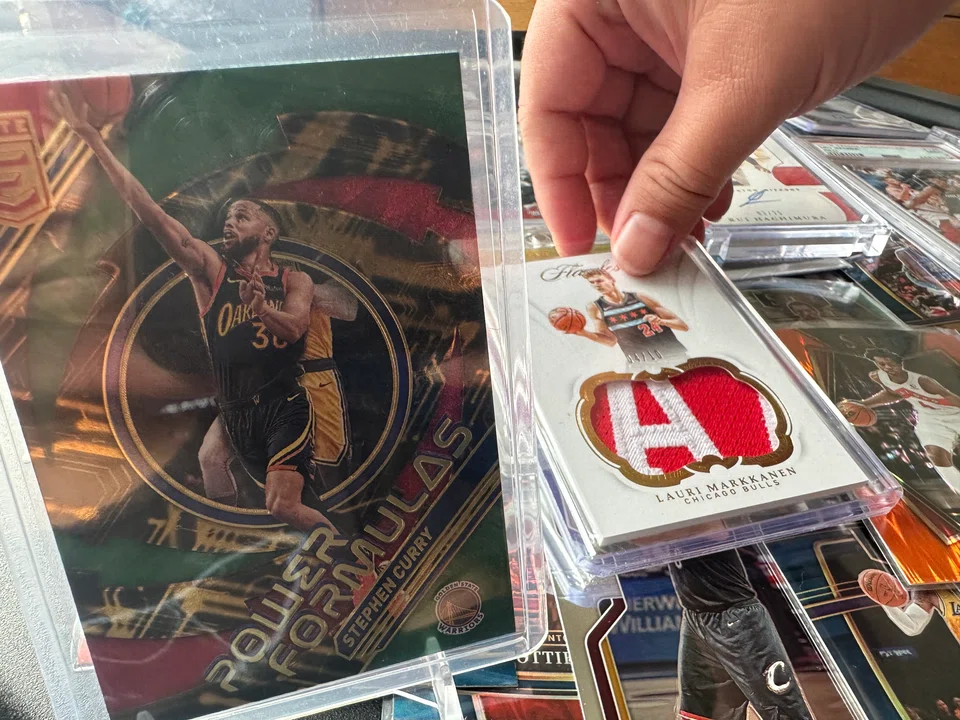
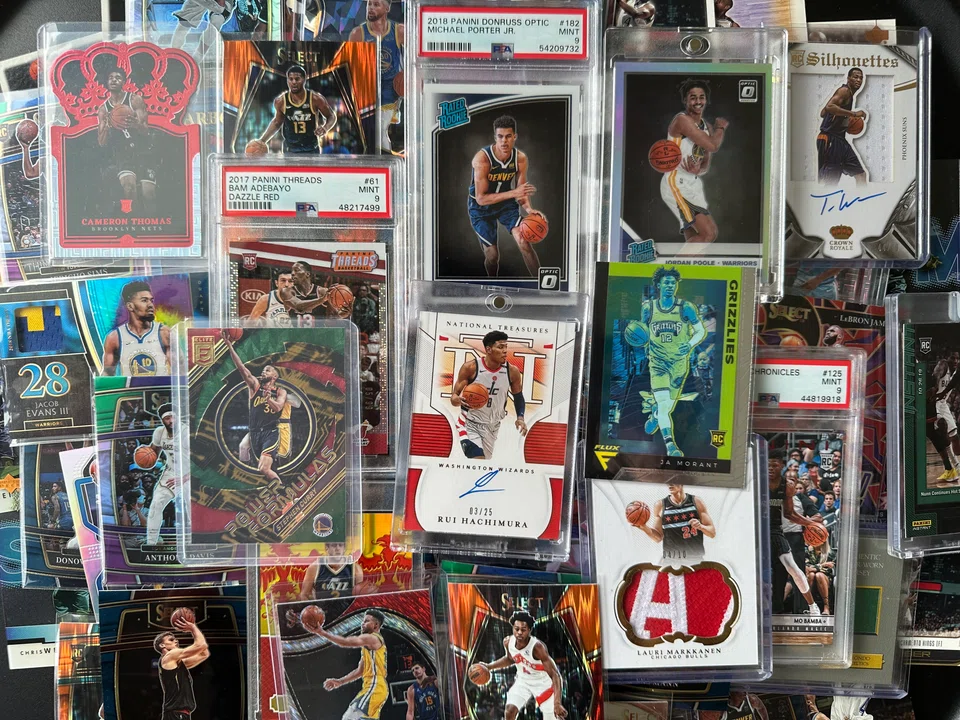
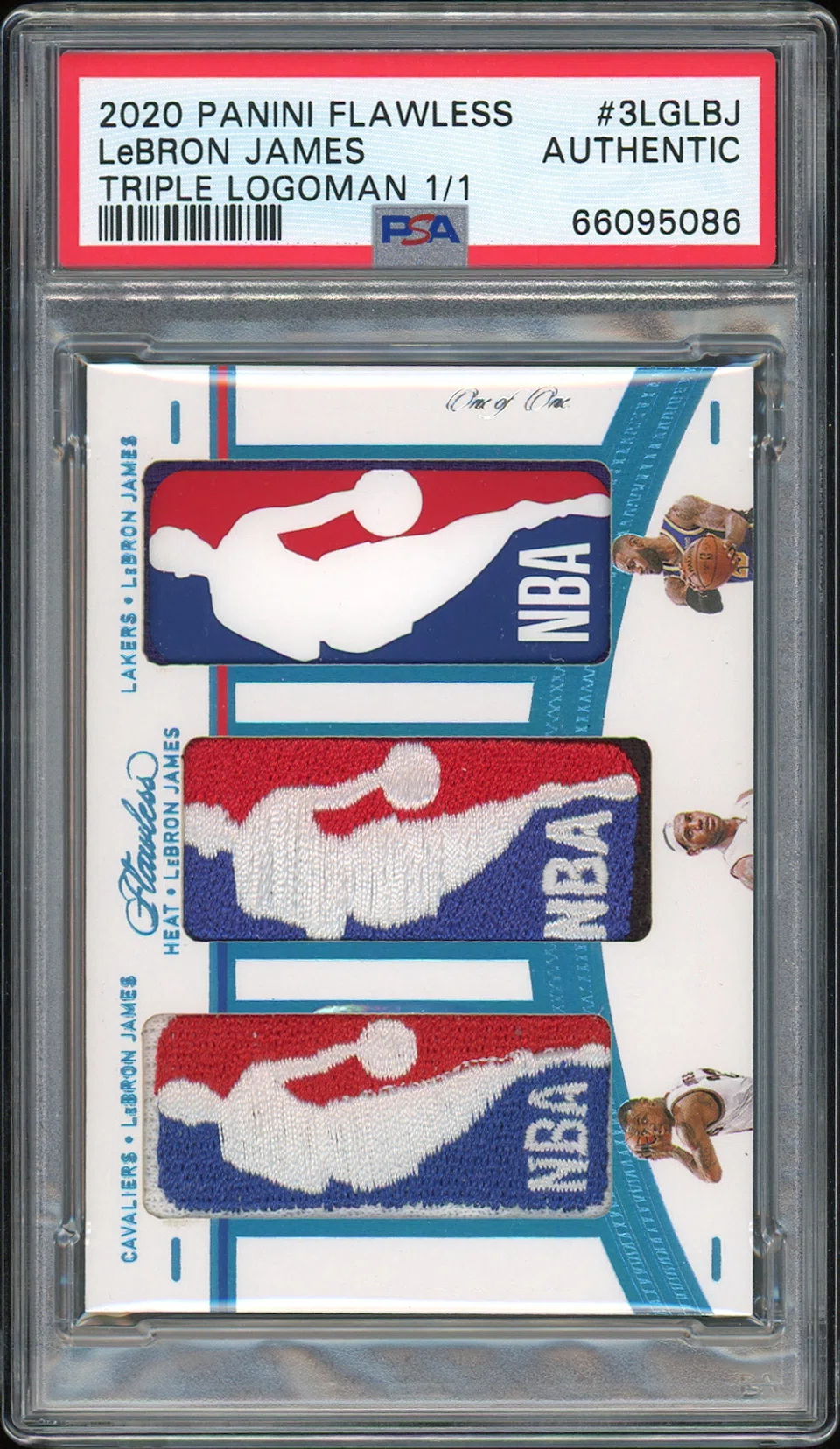
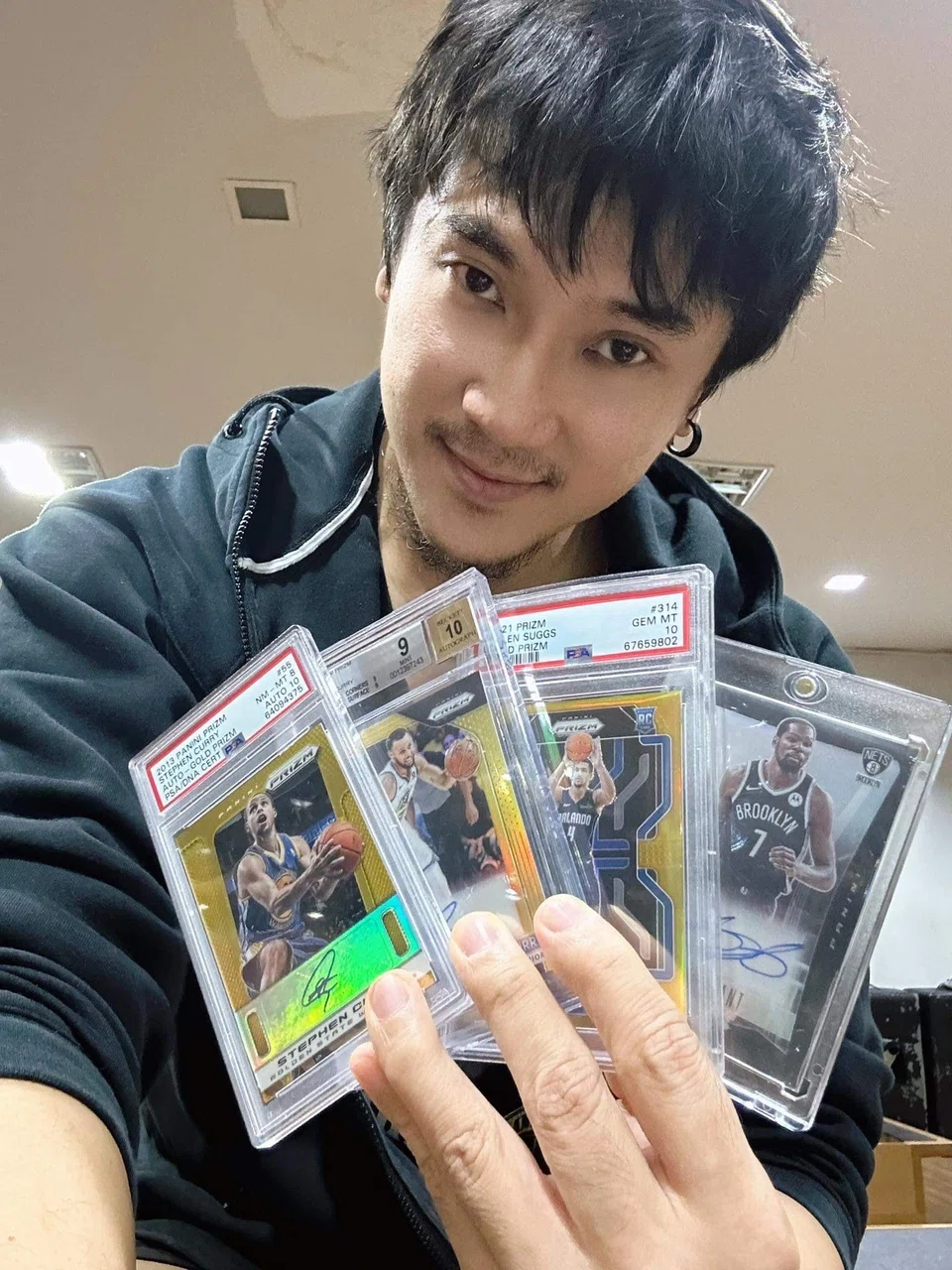
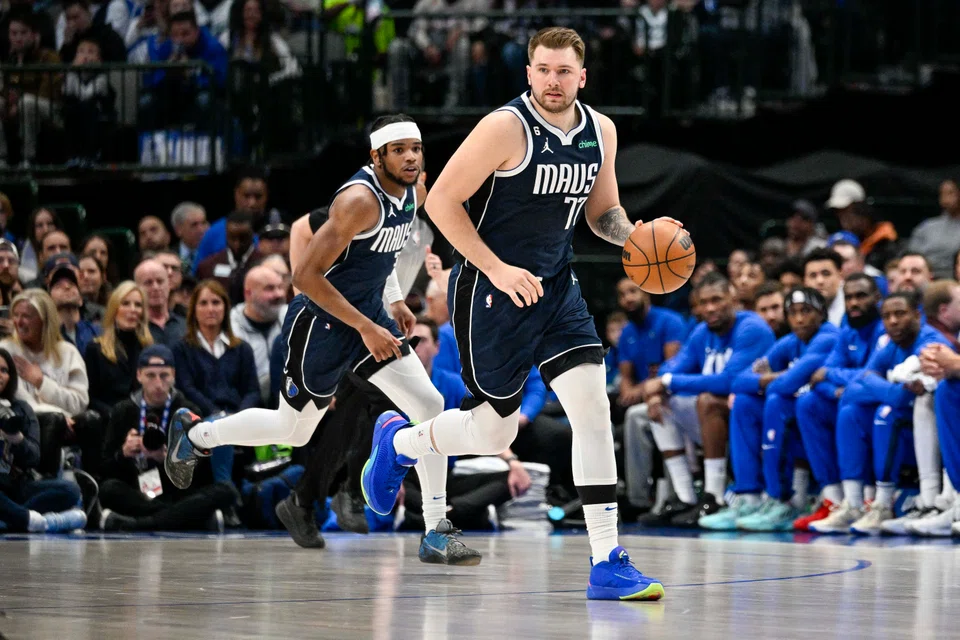
TRADING cards have been around for decades. Collectors from all over the world fork out big bucks for packs or even entire boxes of these cards – everything from basketball and football, to Pokemon and Magic: The Gathering – as they try and form a complete set, or to obtain a rare card with the autograph of a star athlete or artist.
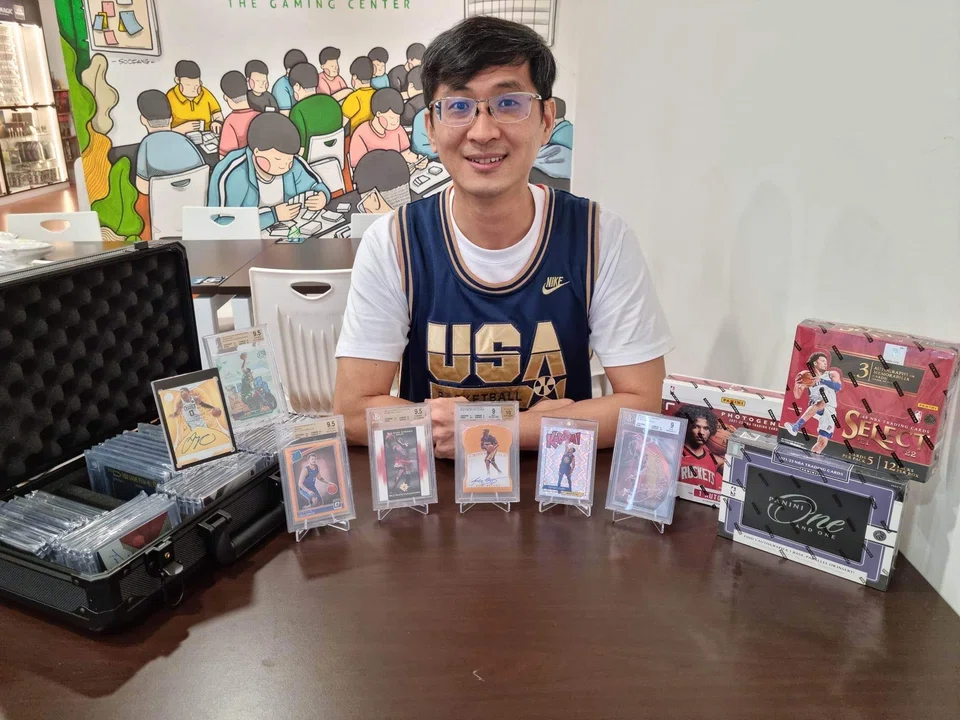
For some collectors, these are more than just a hobby, but a lucrative investment too. One avid collector whom The Business Times spoke to has gone so far as to keep his most valuable sports cards locked up in two black briefcases at home.
“I’ve told my wife that if anything happens to the house, forget about everything else. Just take the briefcases and run,” says Brandon Tan, a 43-year-old engineer who currently works in Singapore.
To some, these trading cards may just be small, colourful pieces of paperboard but those in the know are well aware that some cards – depending on the rarity and condition – can fetch a pretty penny on the resale market.
Last November, a signed one-of-a-kind card by National Basketball Association (NBA) player Luka Doncic of the Dallas Mavericks was sold at auction for US$3.1 million – the highest amount ever for a basketball card from a public auction.
Amazingly, you could say that the buyer actually scored a bargain, even at this price. The new owner reportedly paid US$1.5 million less than what the previous owner had to cough up in March 2021 to get that card in the first place.
And that’s not the most expensive basketball card ever sold. A Lebron James “rookie” card – the first trading card to feature the NBA’s all-time leading scorer after he appeared at the highest level of the sport – changed hands in April 2021 for an eye-popping US$5.2 million.
In the world of sports memorabilia card collecting, these seven-figure transactions don’t happen every day, of course, but collectors and traders say they are hardly unusual. In fact, these deals and the headlines they generate help to fuel the popularity of the cards and drive even more people to collect.
Roots in the US
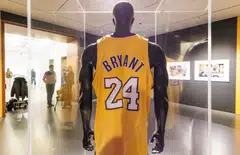
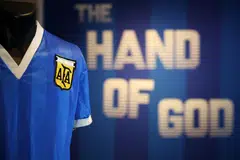
The history of collecting sports trading cards can be traced all the way back to the 19th century, when the first trading cards featuring American baseball teams and players were printed back in 1868. Basketball cards were first produced in 1910 by a cigarette company. In those early days, sports cards were typically used as promotion and advertisement tools.
As the hobby caught on in the United States over the decades, collectors from all over the world joined in as well.
A report from Proficient Market Insights released last October estimated the global sports trading card market to be worth US$1.2 billion in 2021. This is expected to see a compound annual growth rate of 9 per cent and reach US$2.2 billion by 2028.
In South-east Asia, e-commerce platform eBay says its trading cards business has witnessed robust growth since 2016 and is currently one of its top five categories. In Malaysia, eBay said transactions for sports trading cards surged by 109 per cent in 2021.
Tan, the collector with the cards stored in briefcases, is a co-founder of the Malaysia’s Basketball Card Collectors Club’s Facebook page. He recalls how sports cards were first sold in Malaysia sometime in the early-1990s at comic book stores and stationery shops, and that’s roughly when the hobby kicked off in a big way.
“These cards caught my friends’ and my attention at the time. All of us are basketball fans, so we started collecting the cards and exchanging them with others,” he says.
Tan started the Facebook group 10 years ago “out of curiosity” and to connect with other collectors in Malaysia. There are now 1,300 active members, including teenagers and those in their 60s.
Cash cow
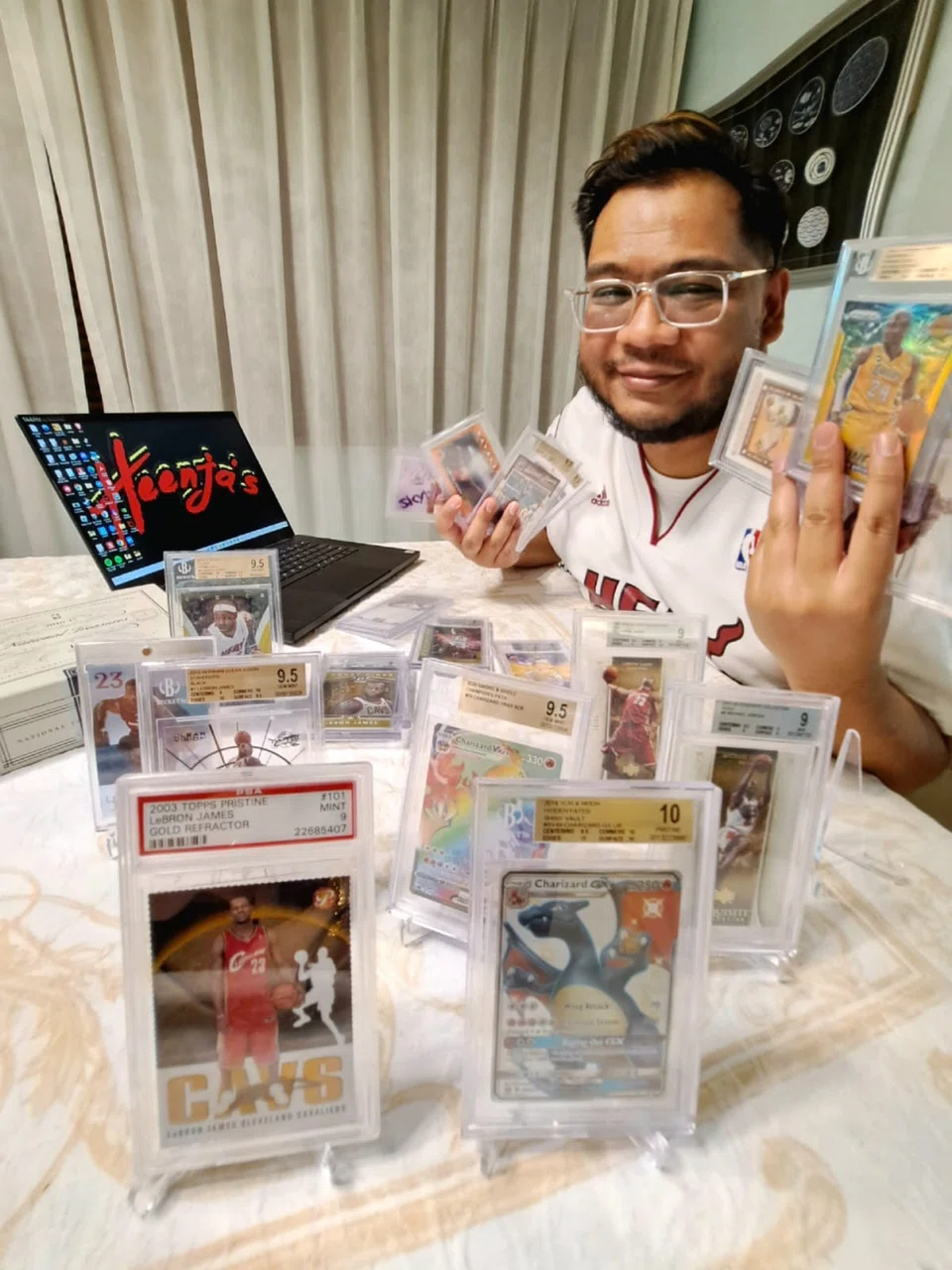
Fariheen Faroukh, a collector-turned-trader from Singapore, has been amassing cards such as Pokemon and basketball for the past 25 years, starting when he was just 15 years old. What he did not expect, however, was how selling some of his “uncountable stacks” of cards helped to support him and his family during the pandemic lockdown when he was out of a job.
“I received orders from Singapore and other countries, the majority were from the US,” says the former sales director in the tech industry who is now a full-time trader on eBay.
His most profitable card was the Lebron James rookie card that he bought many years ago for US$2,000. He later sold it for 10 times that amount, US$20,000. The highest transaction he has achieved so far was the sale of a signed Michael Jordan card for US$50,000.
Another trader, Joey Nukoon Parachatnon from Thailand, is fairly new to the trading cards scene as he started collecting basketball cards in 2020 and soon started to flip some of the more popular and rarer ones to earn some extra income.
“I have some savings in the bank but the interest rate is very low. I wanted to invest elsewhere to earn more. The returns from selling trading cards is much higher than depositing money in a bank,” he says.
Parachatnon, who currently owns a gym, started what began as a side gig with a budget of 10,000 baht (S$387) a month. He now sets aside as much as 3 million baht each month to purchase cards that he thinks will have the potential to appreciate in value over time.
“As with any kind of investment, one must do his research. Investing in sports cards is easier for me as I am a big basketball fan, so reading about the sport and observing price trends are things that I do almost every day,” he says, adding that this business is sustainable as he is confident that people’s interest in the NBA will not wane anytime soon.
Speculating does not always mean making a big profit all the time, says Parachatnon, noting that buyers are becoming more selective these days as people start to tighten their belts amid the rising cost of living.
“I think these cards are still worth investing in, as long as you understand the game. It’s not only about buying cards of the big names, but also investing in cards featuring young players who are on the rise. You must be able to learn how to hold (on to your cards when investing), and not just (buy to) flip,” he says.
Getting started
Most people start their collections by purchasing individual packs of cards or whole boxes that contain multiple packs. There are different types of boxes out there, with the most popular being the “hobby box”. These typically come with at least one autographed card inside, or another rare card that might contain things like a patch from a player’s jersey.
These hobby boxes naturally don’t come cheap. An NBA Panini Prizm hobby box from the 2021/2022 season had a retail price of US$1,000, and each box contained just 12 packs of cards. The lure for most collectors to fork out that much money was the guarantee of two signed cards inside each box, even though they have no idea which players they might get.
For many, the thrill comes from that uncertainty and anticipation of unwrapping a pack or box and finding out what’s inside. If the stars are aligned in your favour, you may end up getting a card that is worth multiple times the face value of the entire box.
In recent years, one growing trend is “box breaks”, where collectors agree to split the cost of a pricey hobby box and divide the cards randomly.
“It’s very exciting as you don’t know what cards you may end up getting,” says Tan. “You could get a rare card worth thousands of dollars, or if you’re unlucky you might get those common cards that are worth less than what you paid for.”
In his eyes and those of other collectors, nothing beats the sensation of owning a rare card and watching the value grow exponentially, especially if these players end up winning championships and breaking records in their sport.
Before Golden State Warriors superstar Stephen Curry won his first NBA Championship, his ungraded rookie card from the 2009/10 season was worth just US$28 on the resale market. Curry is now one of the most recognisable basketball players in the world and owns four championships.
In February this year, that same rookie card was sold online for US$123, while another card that was graded “gem mint” – the highest grade in the collecting world – was sold for more than twice that amount at US$260.
Asked why he and millions of other collectors see so much appeal in collecting these cards, Tan replies: “It’s about capturing that moment in time. The (images on the) cards remind of you of the excitement you felt when watching the games, and seeing your team win.”
Decoding Asia newsletter: your guide to navigating Asia in a new global order. Sign up here to get Decoding Asia newsletter. Delivered to your inbox. Free.
Copyright SPH Media. All rights reserved.
TRENDING NOW

Britain’s mansion tax shows the difficulty of targeting wealth

Once staunchly pro-China, Malaysian Chinese businesses are now distancing themselves from Beijing

The only common thing in S-E Asia is that we all eat rice: Cisco’s Asean president

Singapore data centre operator DayOne opts for US IPO at likely US$20 billion valuation

