

Greenback under pressure as gold rides tailwinds
The metal’s surge is a barometer of confidence in the global system
THE US dollar began 2026 on a weaker footing, as rising policy uncertainty and shifting global dynamics prompted investors to reassess its role in the international system.
Then a series of unexpected US foreign policy actions elevated risk perceptions – including the removal of Venezuela’s president, tariff threats against Nato allies over Greenland and now military attacks against Iran.
In addition, the Trump administration’s criminal probe into US Federal Reserve chairman Jerome Powell has intensified worries about the Fed’s independence, leading markets to price in a higher US policy risk premium.
A more fragmented, multipolar world
These developments set the tone for a year already marked by global realignment. At the World Economic Forum in Davos, world leaders openly acknowledged the end of US-led exceptionalism and the emergence of a more fragmented, multipolar world.
This shift in sentiment has added pressure on the greenback, as countries hedge their bets and seek alternatives to US assets.
The nomination of Kevin Warsh to be the next Fed chairman provided only a brief lift for the greenback. Markets quickly concluded that his credibility and dovish leanings would likely make further rate cuts more achievable, reinforcing expectations for a steeper yield curve and continued US dollar weakness.
Meanwhile, the US Supreme Court’s ruling against the Trump administration’s legal basis for tariffs injected fresh uncertainty into US trade policy. Although the administration responded by announcing new tariffs under a separate legal regime (Section 122 of the Trade Act of 1974), the episode has heightened market sensitivity to the durability of US policy and the risks of political interference in economic management.
The ongoing US and Israeli military campaign in Iran risks triggering regional flare-ups and disrupting oil flows. A prolonged conflict in the Middle East would significantly raise the risk of a major oil supply shock, with crude prices serving as the main transmission channel.
In the event of a disruption to oil flows, markets are likely to view the US – a net oil exporter – as more resilient than Europe, the UK, Japan, or emerging markets (EM) that depend heavily on imported energy. This may create near-term upside risks for the greenback.
If Middle East energy flows are disrupted for an extended period of time, the resulting second-order effects on growth – via reduced disposable income and consumption – would likely prompt a reassessment of the current monetary policy outlook and drive greater demand for safe-haven assets over higher beta currencies.
Policy shifts have played out in broad-based currency moves. The Australian dollar and Norwegian krone have led Group of 10 gains, rising 6.2 and 5.7 per cent, respectively, supported by strong commodity demand and favourable rate differentials.
The New Zealand dollar, Swiss franc and Swedish krona have also advanced, while the yen has stabilised after earlier volatility linked to intervention risks and political developments. The euro and pound sterling have made more modest gains, improving economic activity in Europe and dovish risks for Bank of England policy.
Looking ahead, the US dollar is likely to face ongoing pressure, with any adjustment expected to be gradual rather than abrupt. As a result, real assets may benefit as investors seek alternatives amid rising deficits and policy uncertainty.
A perfect storm for gold
We expect gold to remain well bid in the near term, as geopolitical uncertainty and the prospect of a prolonged campaign in the Middle East attract safe-haven flows.
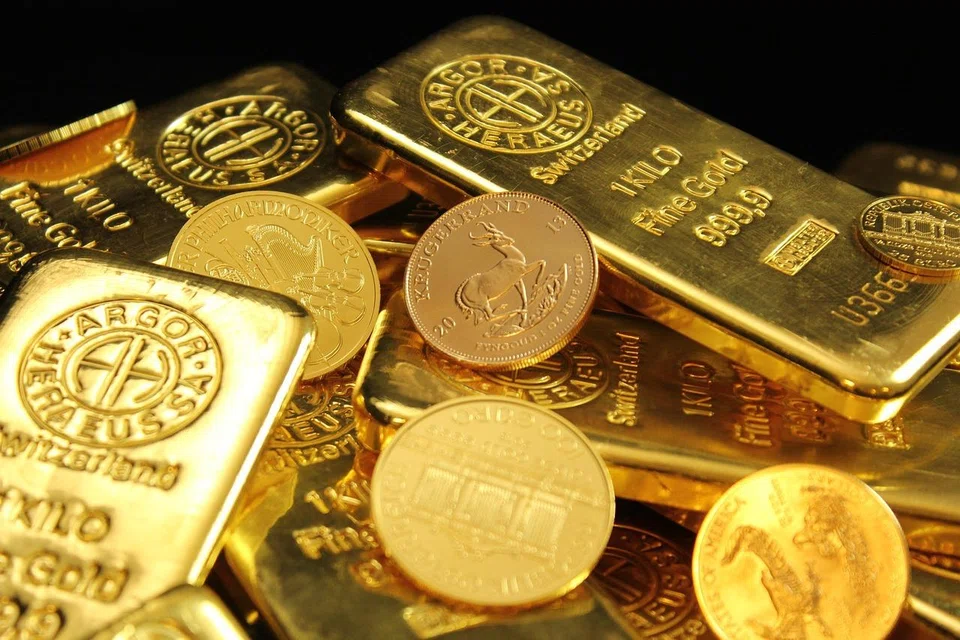
Gold’s extraordinary rally has captured global attention, with prices surging past US$5,500 per ounce and notching a nearly 30 per cent year-to-date gain at its peak.
This historic move was the result of a rare convergence of forces that include rising geopolitical tensions, an accelerating de-dollarisation trend, sticky inflation and mounting fiscal anxieties.
Central banks – especially in emerging markets – have emerged as major buyers, seeking to diversify reserves away from the greenback and reduce exposure to any single government’s policies.
At the same time, Asian demand has become a structural force, with regional exchange-traded funds and regulatory changes in China and India unlocking new sources of demand.
What sets the current bull market apart from previous cycles is the simultaneous convergence of multiple drivers: persistent inflation, policy uncertainty, concerns over US dollar debasement and fiscal dominance. These factors are all contributing to a more sustained and sharper uptrend.
The scale and speed of the rally reflect a broader loss of confidence in traditional assets and currencies, as investors increasingly seek alternatives amid a shifting global order.
However, gold’s path is not without risks. Volatility remains elevated, and sharp drawdowns are a recurring feature even within strong bull markets. Historically, corrections of 15 to 20 per cent have been common, often triggered by shifts in macro policy, real yields, or sudden changes in investor sentiment.
Our base case sees gold consolidating near current highs and moving towards US$5,400 per ounce by year-end. That said, investors should be mindful that any easing in geopolitical or fiscal risks, or a stabilisation in the US dollar, could prompt counter-trend moves.
Gold’s surge is a barometer of confidence in the global system. More world leaders are beginning to acknowledge the end of the old geopolitical order and the shift towards a multipolar environment.
While volatility and corrections are inevitable, the underlying demand from central banks, institutional investors and new market participants indicates gold’s role as a core portfolio asset is here to stay.
The writer is head of CIO office and macro research, Pictet Wealth Management






