
How the illusion of safety, complexity, opacity and leverage crashes markets
A review of Bruce I Jacobs' Too Smart for Our Own Good explores the book's success in investigating and explaining financial crises
 Add BT as a preferred source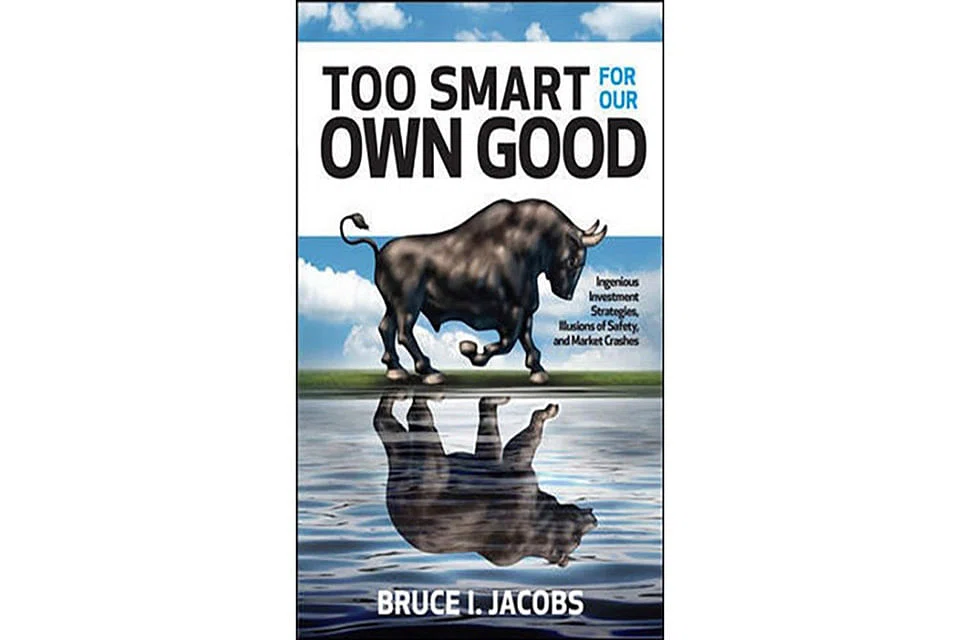
BRUCE I Jacobs' 2018 book Too Smart for Our Own Good is a cri de coeur about investment products that lull investors with the appearance of low risk and the promise of high returns while actually introducing systemic risk and, ultimately, market crashes or crises.
The principles that Jacobs lays out are general ones, but he focuses in detail on three major market crises of recent decades in which those destructive principles were, in his view, critical ingredients: the crash of 1987, the collapse of Long-Term Capital Management (LTCM) in 1998, and the global financial crisis (GFC) of 2007-2008.
The author is co-founder, co-chief investment officer, and co-director of research at Jacobs Levy Equity Management. He has been a critic of the flawed investment theories that he discusses in this book since debating the creators of portfolio insurance head-to-head in the 1980s.
Decoding Asia newsletter: your guide to navigating Asia in a new global order. Sign up here to get Decoding Asia newsletter. Delivered to your inbox. Free.
Copyright SPH Media. All rights reserved.

