

The impact of US tariffs on Asian markets
The uncertainty surrounding trade policies will cause market volatility, which could create attractive opportunities for investors
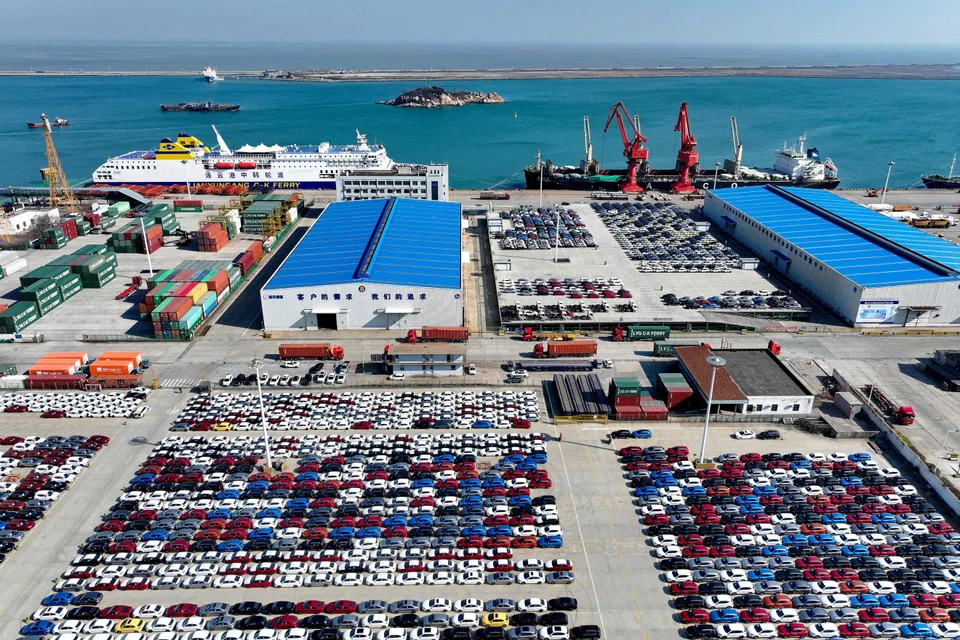
THE imposition of US tariffs has had significant repercussions on Asian equity markets, with most markets experiencing elevated volatility. Over the long weekend, China announced the imposition of tariffs on a wide range of US imports, including agricultural products, automobiles, and chemicals, and the US administration has in turn announced an additional 50 per cent tariff on China. Other nations, such as India and South Korea, are looking to review and adjust their trade policies, seeking to diversify their export markets and reduce dependency on the US.
While most countries are planning bilateral negotiations with the US, there are significant uncertainties in the near term and investors are concerned about increased costs and reduced demand for Asian exports affecting the region’s economic growth. The uncertainty surrounding trade policies may cause further fluctuations in financial markets.
The imposition of tariffs has a negative impact on economic growth, particularly in export-oriented markets such as Thailand, South Korea, and Vietnam. While negotiations and deals with the US will take place, the ease of these negotiations will vary between countries. For instance, India may find it easier to navigate these challenges compared to China. It’s important to note that US exports constitute a small portion of China’s overall economy, making the impact less significant compared to a market such as Vietnam.
China
However, while the immediate impact of higher tariffs on China will be felt in exports, the structure of global trade has shifted since Trump’s first term. China has significantly reduced its export dependency on the US, and Chinese company revenues from the US are now in the low single digits. While China still maintains a substantial trade surplus with the US and gradual depreciation of the yuan is a likely adjustment mechanism, we expect authorities to manage the pace of depreciation to avoid excessive volatility. China appears to be adapting quickly to the trade war environment.
Importantly, China has the fiscal capacity to cushion the blow from tariffs and is pivoting towards domestic demand as a primary growth driver. Key policy adjustments include: a structural shift towards domestic consumption; balancing external headwinds with internal support; and a moderately loose monetary policy stance.
However, the magnitude and coverage of tariffs has been worse than expected as this now includes South-east Asian companies and will thus impact China where it has diversified its supply chains. However, Chinese companies with more flexible and diverse production footprints or strong market positioning may weather the impact more effectively over time. We expect further stimulus measures to restore consumer and business confidence to help offset the direct and indirect impact of this trade war.
India
The 26 per cent tariff imposed by the US on Indian imports – now on 90-day pause – is higher than anticipated, although it remains towards the lower end of tariffs imposed on other Asian countries. While the tariff rate could be adjusted lower given ongoing negotiations between the two countries, the unilateral step will present near-term challenges for exports and trade balance.
The direct impact will vary depending on the specific sectors and the extent of the tariffs. It is important to note that pharmaceutical exports, a large part of India’s goods exports, will be exempted. The demand for IT services might be affected this year due to uncertainty and potential slowdown in the US, but the sector now trades at reasonable valuations. That said, the Indian economy is largely domestic with companies earning the bulk of their revenues from consumption within India.
Asean
Trump’s tariff increases on Asean economies were higher and broader than anticipated, increasing near-term uncertainty. But a careful assessment at sector and company level can uncover opportunities as well as risks. The garment industry, for instance, will be negatively affected, with manufacturing centres in China, Vietnam, Bangladesh, and Cambodia facing higher tariffs. These additional costs are likely to be absorbed by consumers, retailers, brands, and original equipment manufacturers in the short term, weighing on earnings potentially unless tax cuts are introduced to mitigate the impact.
The relocation of manufacturing operations is expected to slow as companies take time to reassess demand and adjust their manufacturing plans. Consequently, investment flows could decelerate. Indonesia may fare relatively better because it is not as industrialised as its Asian peers such as Vietnam, China, Taiwan, and Korea. Additionally, most of Indonesia’s exports now go to China and other parts of Asia, reducing the country’s dependency on the US.
Japan
Japanese stocks moved sharply lower at the start of the week, with financials and exporters suffering the steepest declines. Looking forward, the scale of the impact will depend on how long the tariffs remain in place and the extent to which Japan can negotiate with the US. Japan has been one of the early movers to the negotiation table, which has relieved some selling pressure. While market sentiment will see-saw on tariff-related news flow, there will continue to be opportunities to invest in Japanese companies that can deliver earnings growth and to capture Japan-specific structural factors such as Tokyo Stock Exchange governance reforms, domestic reflation and the emerging price-wage cycle.
Critical factors
Looking further ahead, the second-order effects on US and global demand and inflation will be the most critical factors to monitor, with further nuances across sectors and companies. For example, if stagflation and eventual recession in the US leads to interest rate cuts, this could be beneficial to Asian utilities, banks and higher dividend yielding stocks.
Market conditions are rapidly moving and will be complex to navigate. The immediate and longer-term impacts of this latest trade development underscores the importance of staying active and selective in managing investments, as the effects of tariffs will continue to play out differently across countries, sectors and companies. Volatility is inevitable and market corrections can always create attractive opportunities.
The writer is head of investment directing, Asia-Pacific, at Fidelity International






