

Independent lender offers premium financing for buyers of high-net-worth insurance
Yuvarra’s loans are secured against the life insurance policy alone, not a client’s other assets

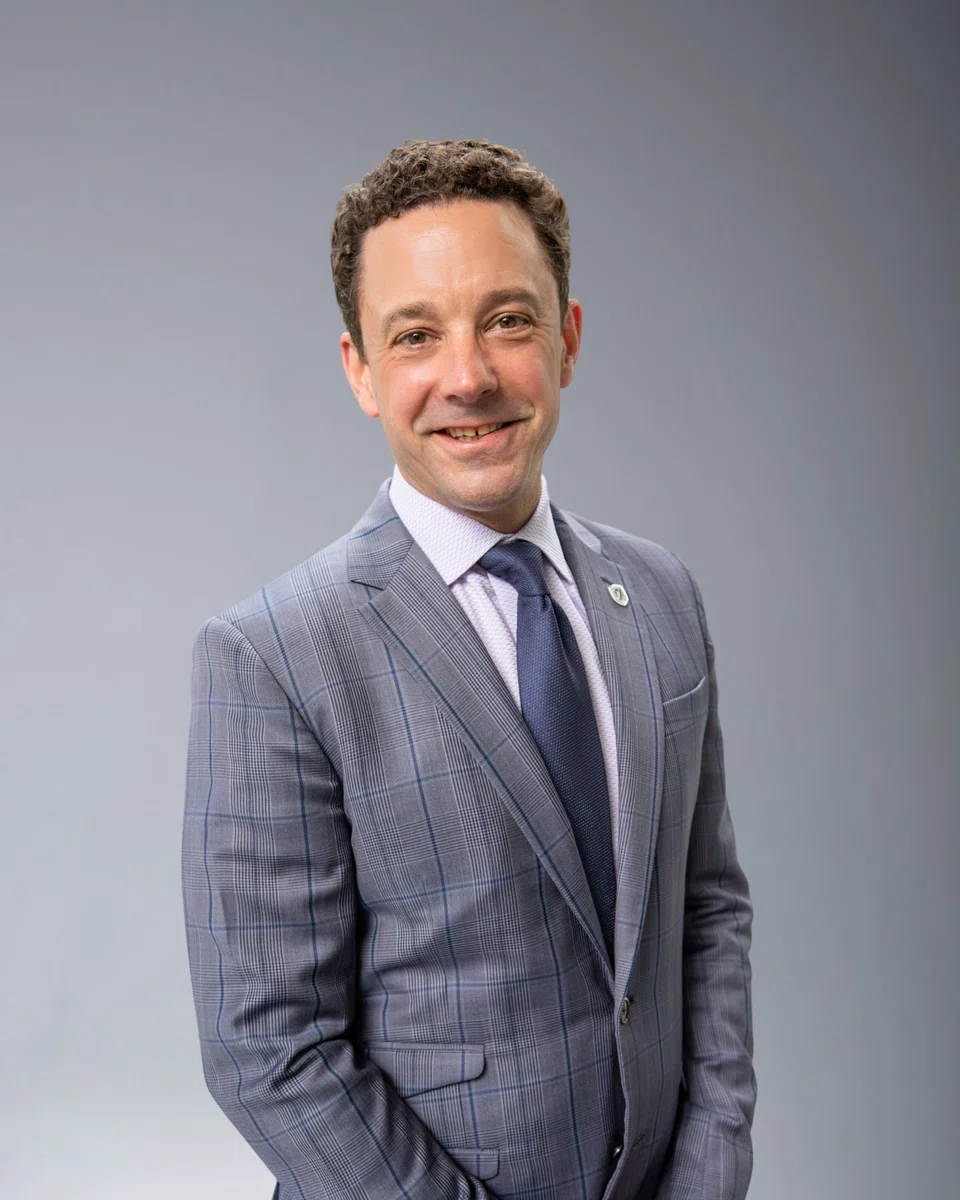
HIGH-NET-WORTH (HNW) individuals who wish to tap premium financing for a large insurance policy now have an alternative to a loan from their private bank.
Yuvarra, an independent lender, has rolled out premium financing services in Hong Kong and Singapore, markets which chief executive Larry Ikard expects will be a “significant driver” of growth in the next 12 to 24 months.
“Across the two markets, we are anticipating continued double-digit growth in demand for specialist premium financing and more sophisticated wealth-planning structures,” he said.
Yuvarra holds a moneylender’s licence in Hong Kong. In Singapore, it works through financial-advisory networks by word-of-mouth referrals. It focuses only on financing life insurance premiums.
HNW policies – the most popular iteration currently is indexed-linked universal life (IUL) plans – are typically used by the wealthy for legacy planning. It may be used, for instance, as an estate equalisation tool, or to facilitate wealth transfer across generations, or for philanthropic gifting.
Ikard said the trend among families to plan for succession, liquidity and their longer-term legacy is “increasing the need for financing solutions that allow clients to put appropriate insurance structures in place without having to disrupt their wider investment portfolios or existing banking relationships”.
Over the past couple of decades, premium financing was popular among wealthy individuals and families who purchase HNW policies. Low interest rates after the global financial crisis in 2008 made the financing proposition attractive not only for investors, but also for banks which earned commissions from the sale of such policies, plus a margin from the lending rate.
But rates have climbed since around 2022, making premium financing relatively less attractive.
The interest rate for such US dollar loans is typically quoted as a spread above the 12-month Secured Overnight Financing Rates.
Ikard said: “The total rate depends on the relationship we have with the distributor and a few other factors. Today, it’s in the high-5 or low-6 per cent range.”
Yuvarra’s proposition is that as an independent lender, its loans are secured against the life insurance policy alone, and not against a client’s investment portfolio or other assets.
The risk of the loan being called and the policy surrendered prematurely as a result is therefore eliminated. There is no requirement for assets under management or account opening.
“The only time when we could call a loan is if the client doesn’t do what he needs to do, which is pay interest. When clients come to us, they are putting a significant down payment into the policy before they even borrow, so they have skin in the game.”
Yuvarra can typically lend up to 100 per cent of a policy’s guaranteed cash value. This means a policy that requires US$1 million in premium may have a surrender value at the outset of US$800,000. This is lent to the client, who then has to put up US$200,000 in cash to make up the balance of the required premium.
To service the loan, the client pays only the interest charge. Ikard said this gives borrowers the flexibility to pay off the principal any time, without penalty.
“Broadly speaking, the cash value tends to grow above the loan balance. People can reach into the excess cash value to pay the loan in full or partially.”
The segregation of the insurance policy from other assets typically does not happen in a bank. Clients who borrow from a bank to invest, whether for a life policy, real estate or shares, typically find that a steep drop in the market value of the leveraged assets could cause the bank to sell other profitable holdings, including the insurance policy, if the client is unable to meet margin calls.
“Despite the fact that the insurance policy is just fine – it’s a stable long-term asset on which they pay interest – it suffers contagion from something that has nothing to do with the policy at all,” said Ikard.
“I’m not competing with private banks. But there are clients who do not want to comingle or bundle their investments and traditional banking activities with their long-term wealth planning and protection activities.
“Today, there are few options to do that. We offer a good solution for the independent financial adviser or wealth manager to keep those worlds separate.”
A common argument against premium financing today is that higher loan rates do not offer an attractive arbitrage against a policy’s crediting rate. Ikard insists this argument is wrong.
“People equate a 7 per cent crediting rate, for example, with a 7 per cent return, but it’s not. You shouldn’t regard your (IUL) as an investment because it’s an insurance product meant to pay a death benefit.”
Yuvarra, established in 2025, is part of the Apeiron Group of companies, a global wealth platform for HNW insurance. Its launch is in partnership with LifeDirect, part of Afco Credit Corporation, a subsidiary of Truist Bank.
Truist Bank’s institutional balance sheet “provides the scale and stability for Yuvarra to operate reliably and at pace”, Yuvarra said in a statement.
TRENDING NOW

Singapore identifies 7 firms responsible for haze fires, notices issued urging action: Grace Fu

Could stablecoins be the future of money?

Singapore should prepare for prolonged haze until November, says Grace Fu

High Court rules against Julius Baer’s Singapore trust arm in US$50 million family trust dispute

