

Innovating and disrupting itself is what helped DBS win award for world’s best private bank
DBS is the first Asia-headquartered bank to land this recognition from Euromoney
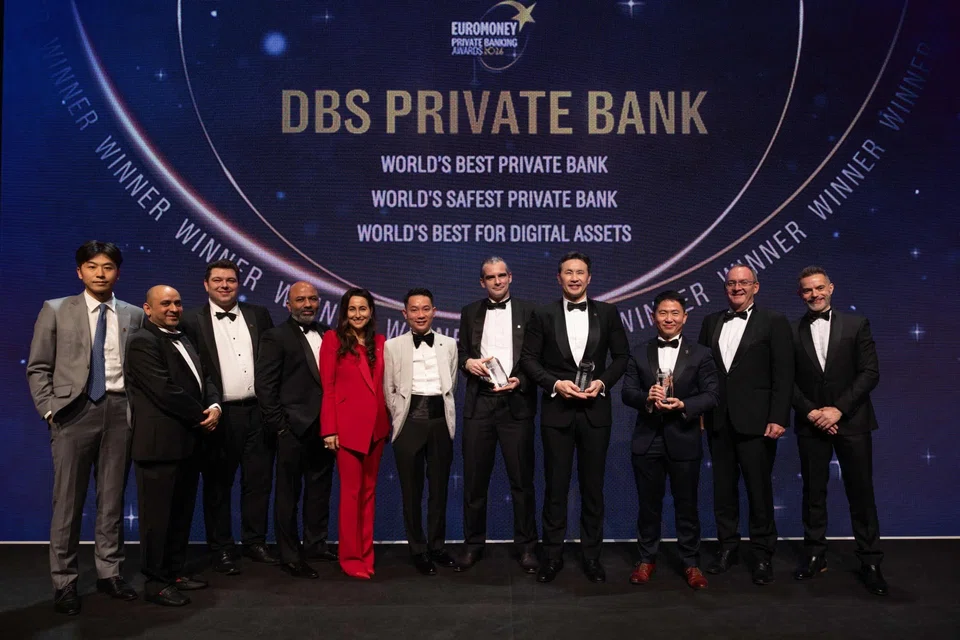
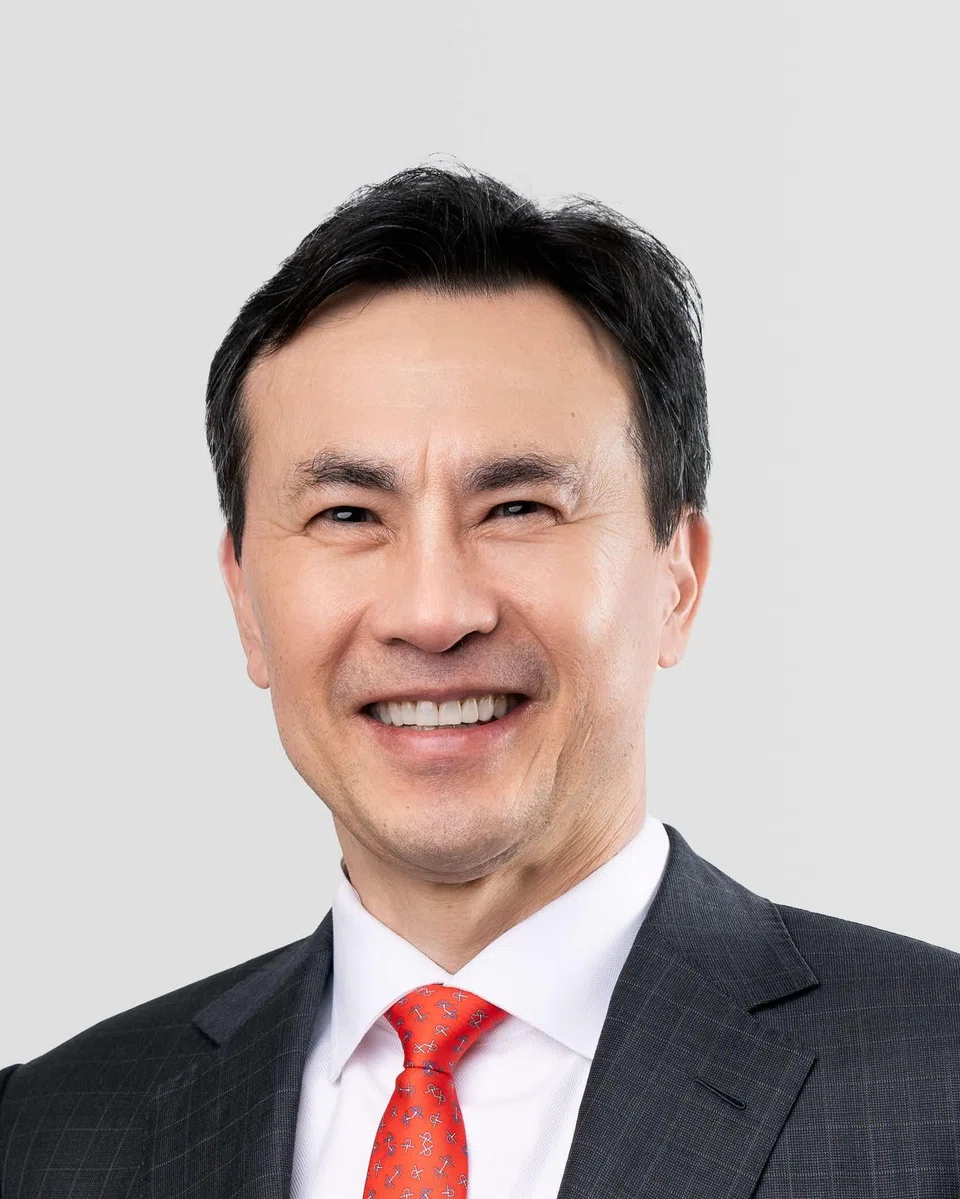
LAST month, DBS celebrated being the first Asia-headquartered bank to land Euromoney’s gong for “The world’s best private bank”, but the foundation for the success was laid many years ago. Group head of DBS Private Bank Joseph Poon told The Business Times: “It was our ability to innovate ahead of time and put in structures that have reaped us this dividend.”
According to Euromoney, by the end of June 2025, the private bank had delivered S$23.3 billion in net new money, 37 per cent annualised growth in wealth-related fees, a 72 per cent return on equity and a 46 per cent cost-income ratio, making it among the most efficient in developed markets.
Another feat: assets under management (AUM) had doubled in five years; S$1.2 billion of fees were added between 2022 and 2024, achieving in half the time what had previously taken six years.
Digitalisation and artificial intelligence
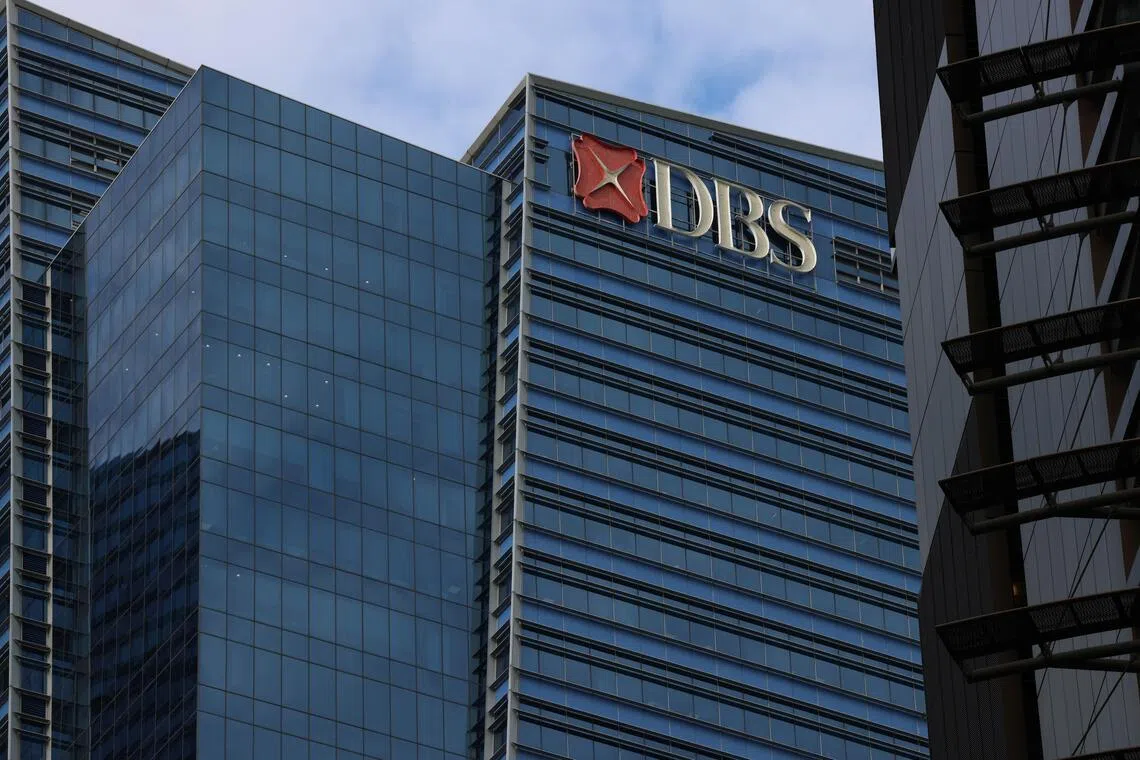
From as early as 2014, DBS had embarked on its digitalisation journey. It began experimenting with artificial intelligence (AI) to drive value for the business and customers.
In recent years, this included embedding AI into its systems to help relationship managers in their dealings with wealth clients. For example, AI was used to analyse client preferences, to see how the bank could give more useful and more timely advice to clients.
Poon said: “Many of our clients have become increasingly comfortable with self-service banking through our award-winning digiWealth app. Today, more than 90 per cent of our wealth customers actively use the app.”
Going digital was not just for efficiency, Poon insists. “We did so as to enable our clients to invest faster, more safely and more intelligently than ever before.”
It was a bold move for an industry which had been defined by high-touch interactions, with its traditional image of personalised wealth service provided by relationship managers.
Poon said that machine learning is used to synthesise clients’ preferences, their risk tolerance, while also reviewing their risk exposures, volatility and other data points. “We get a very good read of the clients, where they are in their risk profile, in their life journey.”

He added: “We’ve developed AI-generated prompts which are highly personalised. For example, if our system detects that a client has been converting Singapore dollars into sterling every month, it can prompt the client when the exchange rate is more favourable. It might say: ‘Based on today’s rate, your trade could yield more pounds than usual. Would you like to convert now?’”
AI has been deployed across adverse news screening, information summarisation and the analysis of client data and documentation, all of which have improved risk monitoring and enhanced efficiency.
Poon sees technology as helping to automate more transactional-type activities. In short, “our relationship managers can focus on having more meaningful and value-adding conversations around asset allocation, portfolio strategy or even legacy planning”.
Innovation, including on the crypto front
A little-known fact: “Crypto holdings with us have now exceeded gold, a clear signal of client confidence and future readiness,” said Poon.
Some years ago, Poon came across clients who stored their crypto investments such as Bitcoin and Ethereum on thumb drives, with all the attendant security risks. This signalled the growth of crypto assets – an area which offered opportunities for the private bank.
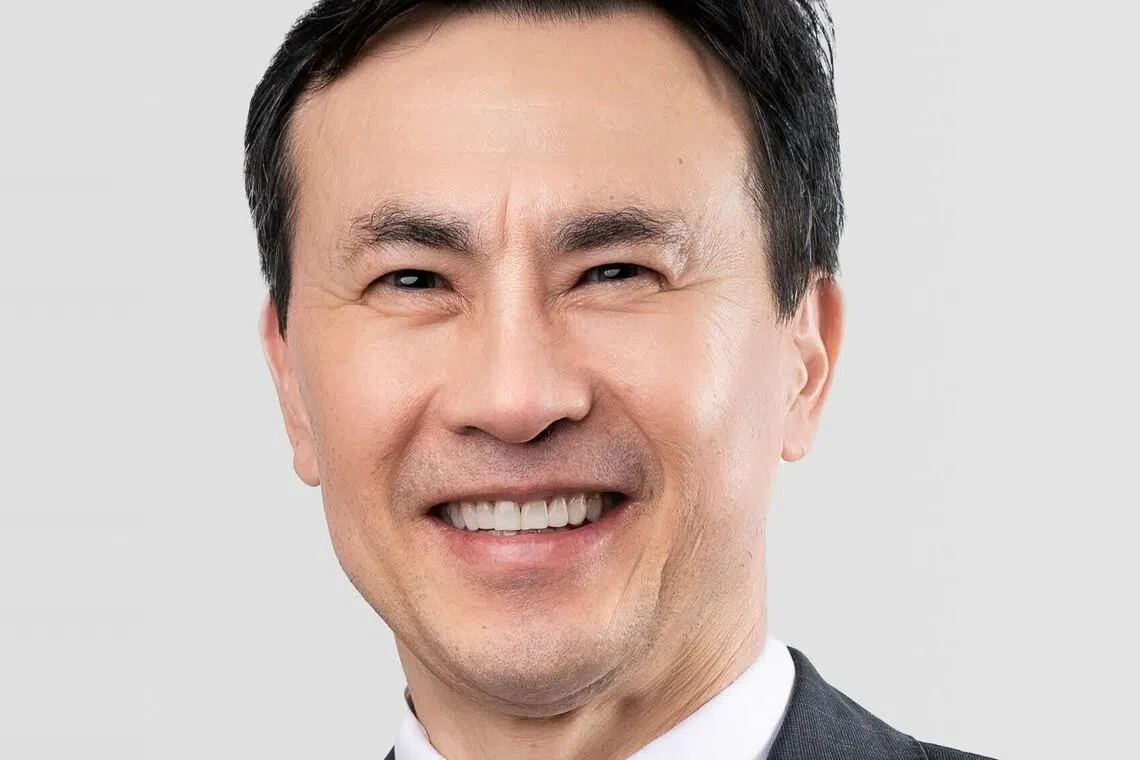
It announced in 2020 that it would set up the DBS Digital Exchange, to provide an ecosystem for fund raising through asset tokenisation and secondary trading of digital assets including cryptocurrencies.
DBS Digital Exchange has expanded to not only allow clients to hold their crypto assets alongside their traditional assets, such as equities, bonds or mutual funds, but also be placed in a trust structure suitable for legacy planning.
In fact, DBS Trustee is the world’s first and only bank-backed trust to hold cryptocurrencies, recording inflows exceeding S$2 billion last year. All this contributed to DBS Private Bank landing its second award for “The world’s best for digital assets”.
With DBS being the only bank in Asia and among the few globally with this scale of offering (including the digital exchange), “being innovative and disrupting one’s business has turned out well for us”, Poon said.
As well, by enabling clients to manage both traditional and digital assets in one view, DBS Private Bank is attracting the next-generation of wealth, a group who is comfortable with digital assets.
One Bank
Apart from the innovation efforts, what ties it all together is the “One Bank” model.
That is an approach that unifies private banking with corporate and investment banking, enabling an entrepreneurial client to address operating companies, holding structures and family wealth through a single platform, noted Euromoney.
For example, Poon said: “We realised a client was doing a lot of Singapore government securities trades through other banks, so we worked with our SME team to onboard his account and link him up through our treasury traders, allowing him to trade everything seamlessly within DBS.”
Another example was leveraging the structuring capabilities of DBS’ global financial markets team, which allowed a family office client to gain exposure to a sub-fund portfolio through a total return swap transaction, a solution typically reserved for institutional investors.
Performance and resilience
While a private bank is always measured on how well it manages the fortunes of its clients, that is, the return on their money, Poon said that increasingly, what matters to them is “the return of their money”.
Counterparty risk is very much at the forefront of the minds of clients these days but DBS has strong credit credentials.
It pairs an AA /Aa1 group credit with Singapore’s AAA jurisdiction; a common equity Tier 1 ratio of 17.4 per cent, a non-performing loan ratio of around 1 per cent, and operational losses about four times lower than the industry average. These metrics helped DBS clinch its third award, Euromoney’s “The world’s safest private bank” award.
Poon noted that while some peers have experienced greater volatility in their P&L (profit & loss) performance, DBS Private Bank has maintained relatively steady growth, which reflects both maturity and stability of its business model.
But the bank has led on the investment front too.
“We made non-consensus, bold calls – and we were right,” Poon said, such as on nuclear energy and gold.
Euromoney pointed out that the bank’s barbell approach of quality growth and income for investor portfolios ranks among the top decile of peers since inception.
Looking ahead amid the Middle East conflict
With an estimated US$5.8 trillion of wealth that will be transferred between generations in the Asia-Pacific region, DBS Private Bank is in pole position to tap this market, Poon reckons.
In Asia, unlike Europe, most of the wealth continues to be represented by family businesses. For DBS, the proportion of private bank clients who also run businesses is around 70 per cent.
For potential clients from Europe, US, or from elsewhere in Asia, Poon sees the bank’s strength as being able to offer on-the-ground knowledge on potential business partners’ bespoke investment opportunities in this part of the world.
Recently, DBS partnered Granite Asia, a multi-asset investment platform which will develop new funds exclusively for DBS clients and offer co-investment opportunities. DBS’ involvement will include areas such as subscription financing and corporate loans, advisory for merger and acquisition mandates, supporting bond issuances and preparing for an IPO (initial public offer).
Meanwhile, the Middle East conflict is something that the bank, unsurprisingly, is closely monitoring.
Poon said: “The bank has been continually working with clients to double down on asset diversification and risk management to mitigate the evolving macroeconomic and geopolitical environment.”
Many of the clients in the Middle East region have diversified their assets, Poon added, and “are holding them across multi-jurisdictions including Asia and as such, are adopting a wait-and-see approach”.
He concluded: “Helping grow, protect and preserve our clients’ personal wealth is what I consider ‘hygiene’ for any private bank. The future of global private banking lies in helping to do the same for our clients’ businesses and being a part of that growth journey as they scale.”
Decoding Asia newsletter: your guide to navigating Asia in a new global order. Sign up here to get Decoding Asia newsletter. Delivered to your inbox. Free.
Copyright SPH Media. All rights reserved.
TRENDING NOW

DBS, OCBC, UOB rout lops billions off STI as inflation, rate concerns spook investors

Grab CEO’s wife Chloe Tong on life with Anthony Tan and finding her purpose

OCBC sheds S$8 billion in value as shares close nearly 6% down; analysts cautious on banks

Deal between tycoon friends sparks scrutiny of Philippine power sector

