

Investors are raising US$100 million to buy unloved antiques
For an optimistic few, the currently drab market represents a once-in-a-lifetime chance to buy low and sell high
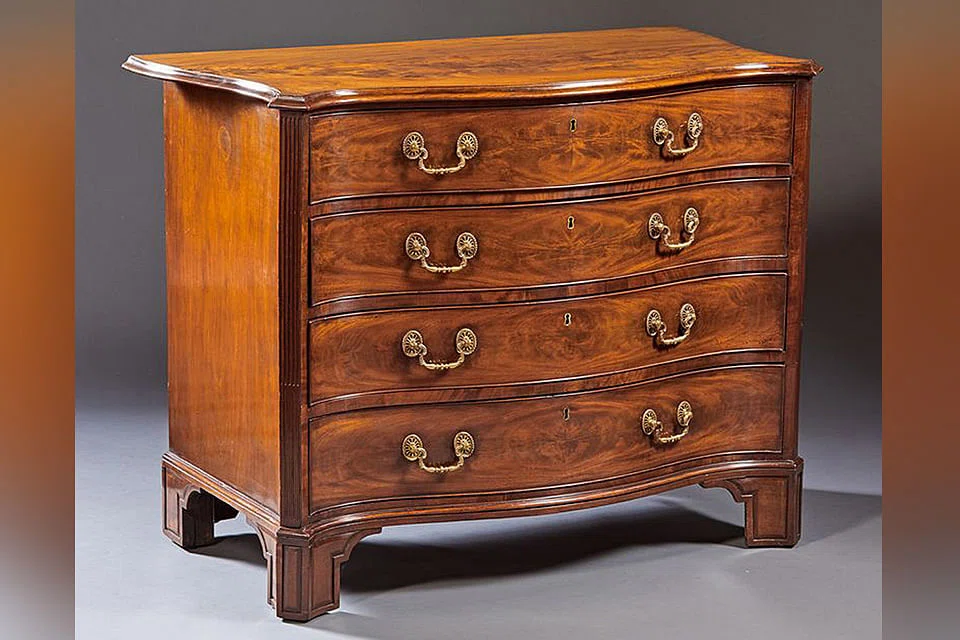
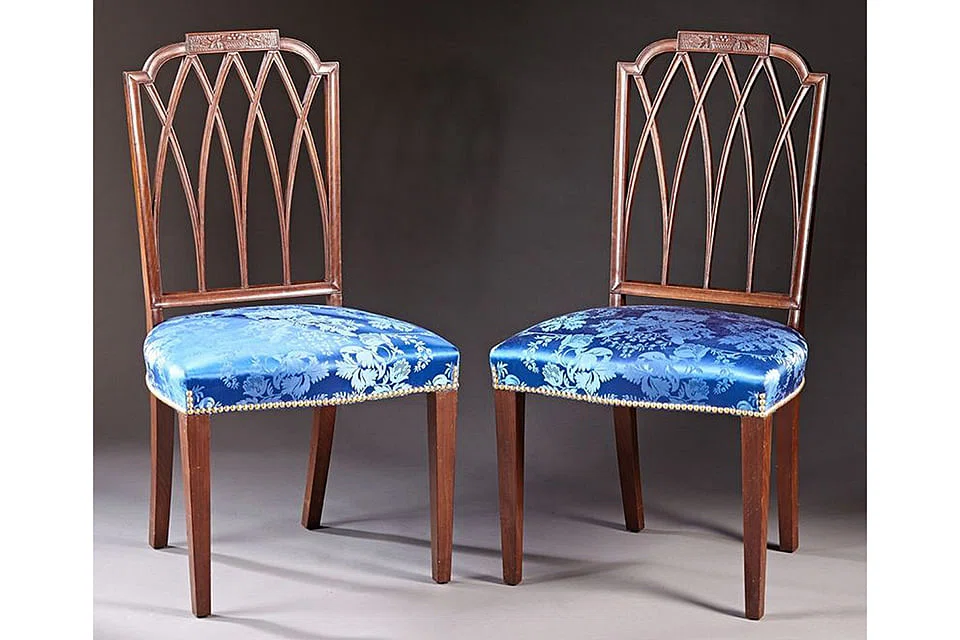
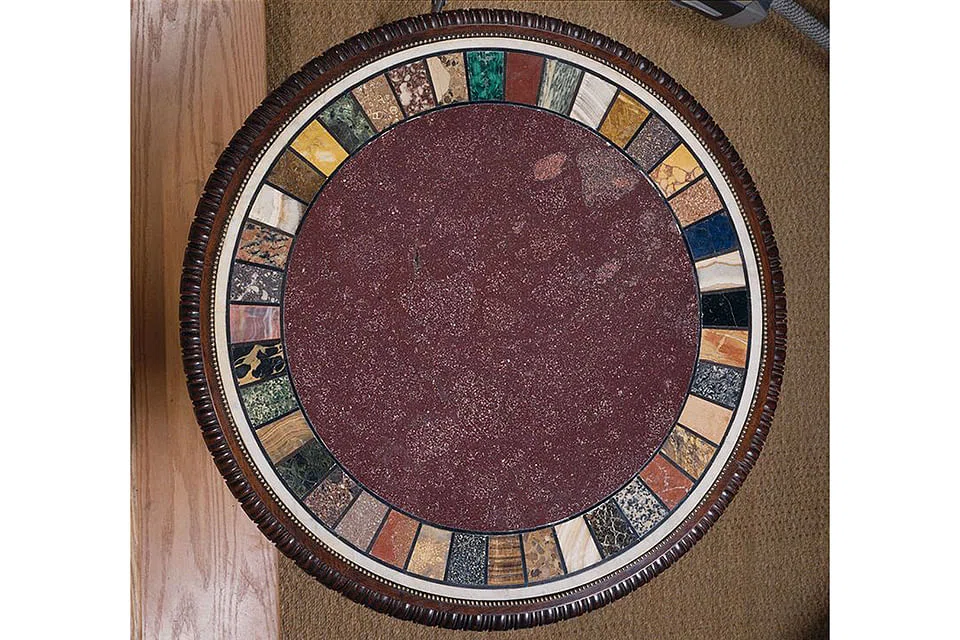
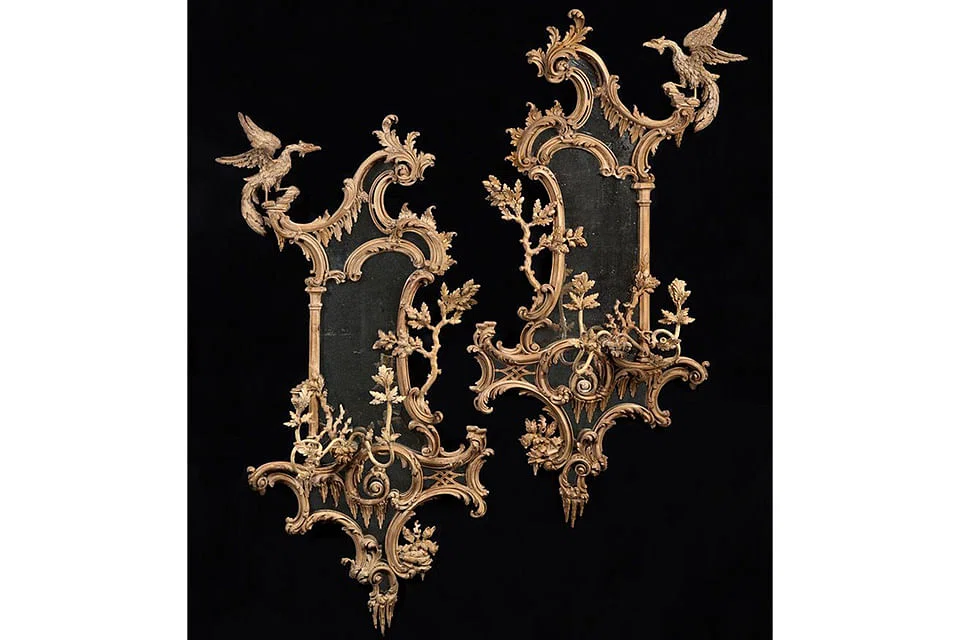
THE term "brown furniture" encompasses multiple centuries' worth of fine antiques in hundreds of styles from dozens of countries. Understandably, antique dealers hate it.
And yet the term has stuck, not least because it does a neat job of capturing how drab the antique market's been for the last decade.
"I purchased a table the other day that I would have had to pay US$50,000 for 20 years ago," says Clinton Howell, the president of the Art and Antique Dealers League of America and president of his eponymous New York store. "I bought it for US$4,000."
The present market for fine art and antiques is a tragedy for dealers sitting on inventory and a headache for people who would like to someday sell their "good" furniture - and yet, for an optimistic few, it represents a once-in-a-lifetime chance to buy low and sell high.
"There's a huge opportunity here," says Mr Howell. "You can go out and buy something that's 250, 350 years old for probably a twentieth of what you would have had to pay for it in 1998. And clever people are doing that."
One such person is Gary Sergeant, a Woodbury, Connecticut-based dealer who specialises in 18th century and 19th century English and American furniture and decorative arts. Rather than simply acquire pieces on his own, Mr Sergeant has established a fund whose sole aim is to buy unfashionable fine antiques and decorative arts objects and sell them once they return to fashion.
"We started (planning it) about two years ago," he says. "I was talking to a friend of mine from Newport - one of the old Newport families - and I said, 'Wouldn't it be great to go out there and do something with this market that's taken a downturn?'"
He and his friend, John H French II, reached out to Tom Berglund, a partner at the private equity firm First Atlantic Capital. Mr Sergeant and Mr Berglund had been friends for 20 years since Mr Sergeant filled Mr Berglund's Connecticut country house with antiques. With Mr French as a key investor, backer and adviser, Mr Sergeant and Mr Berglund co-founded the Tangible Assets Group, whose initial focus will be purchasing antiques, fine art and decorative arts, and selling them whenever the opportunity arises.
"As we move into a period of higher inflation and greater uncertainty," Mr Berglund says, "these alternative assets will be a great store of value and an inflation hedge."
Currently, they have around 25 investors, he says, who have raised just enough capital to get the company set up. The group's business advisory committee includes Ian Taylor, a former member of the UK parliament for 23 years; Reinout van Lennep, a former managing director and chief executive officer of ABN Amro Bank Switzerland; Salah Brahimi, the president and chief executive officer (CEO) of Grey Matter LLC, an operational strategies and business development consulting firm; and Mr French, who, after founding a venture capital fund in 1960, has worked in private equity and served on the board of multiple companies.
The group's initial 2021 target is to raise US$40 million. "We think that is sufficient capital - to get us into some of the categories (of antiques) we want and (to get) operations up," Mr Berglund says.
After that, it hopes to raise an additional US$60 million, he says: "and my guess is we would probably have the second tranche completely raised by the end of this year, but it might spill over into 2022. But I'm not going to plan on that, or build our strategy around everything falling into place perfectly".
The antique market, splintered
Things were going fine - great, even, dealers say - from about 1998 to 2007. But in 2008 the market, at least in New York, went south with Bear Stearns and Lehman Brothers. It took two years or so, dealers say, for London's market to fall to similar depths.
"In 2008, I decided to cull my inventory a little, because I felt a little top-heavy," says Mr Howell. "If all had gone well, I'd have probably walked away with
US$1.2 million, but what happened was the auction was set for October 2008."
One of the lots, he says, was a chair that had last sold for US$190,000 in 2003. It hammered, he says, for US$37,500.
The shift away from brown furniture seems to have been accelerated by the financial crisis, though the necessary ingredients for its decline were already there. "Glass towers kept going up," says Rachel Karr, whose family owns Hyde Park Antiques in New York. "Antiques in general were undesirable, because they blocked the view people were purchasing."
"We were still doing business, but selling to a smaller and smaller and older and older group," says Kevin Kleinbardt, a co-owner of New York's Yew Tree House antiques. "It was a shrinking market, and so many dealers had retired, and younger dealers hadn't come up to replace them."
And that was where Mr Sergeant saw a spectacular opportunity. A decade might be a rounding error when you are trying to date a 300-year-old bookshelf, but when you are trying to sell that bookshelf, 10 years can seem like an eternity.
"You can look at art and antiques as different grades," he explains. "AAA grade will sell for AAA prices, but the AA and A and high-B categories have a lot of potential."
With the market idled, their prices are way down, he continues, "but the reality is: There's an ongoing demand for great things, and there are a lot of holes in the market".
Slow comeback
During the pandemic, though, those holes appear to have narrowed. The market is showing signs of surprising buoyancy, dealers say - not across the board, and certainly not at price points the field once experienced, but "every once in a while I spot something that's really good in a sale and it (sells for) 10 times, or 20 times, what I thought it would make", says Mr Howell. "There are people that have it on their radar."
Mr Kleinbardt agrees: "After a long period of dormancy, it's really picked up. The last nine, 10 months have been sort of crazy." Mr Berglund says this renewed interest means they have to move quickly. "We think this is the beginning of the tide coming in, and we think there's a lot of water behind that" initial activity.
Maybe, he says, "there's 10 years of strong demand, and maybe we missed one year. Well, there's nine left, and that's still an opportunity for me."
A recovery in stages
They envision the market progressing, Mr Berglund continues, from the top down. "As people continue to move back to more traditional (furniture), that trend will continue to expand," he says. "It won't just be the top 1 per cent of material - it will be the top 5 per cent, and then the top 10 per cent, as more people come into the market."
Everyone, he says, "can't have the No 1 Philadelphia highboy because someone's already bought it, so you're going to the next best, and then the next, and that's where the recovery is happening."
At least anecdotally though, the market recovery will not be even. "People are staying away from tall things, because they want to save the space for a painting," Mr Kleinbardt says. "So we're noticing long, narrow tables - something like the bottom half of a Welsh dresser or a hunt board - is popular, because you can still put a great piece of modern art above it."
Mr Berglund, for his part, says that they are in the business of making the right purchases at the right time. "It's like stocks and bonds," he says. "It's identifying what the opportunity is and separating the wheat from the chaff." BLOOMBERG
TRENDING NOW

Simba admits exceeding spectrum limits amid failed M1 deal; full-year profits surge 277%

He built the Vingroup empire. Now South-east Asia’s richest man is handing some key roles to his sons

What’s on the agenda when Xi and Trump meet in Washington

Ex-execs of CW Group, Allied Tech charged with offences linked to lawyer’s S$76 million misappropriation

