Wealth & Investing

It’s in the bag

How female wealth is shifting the perception and value of luxury handbags
Published Sat, Jun 18, 2022 · 05:50 AM
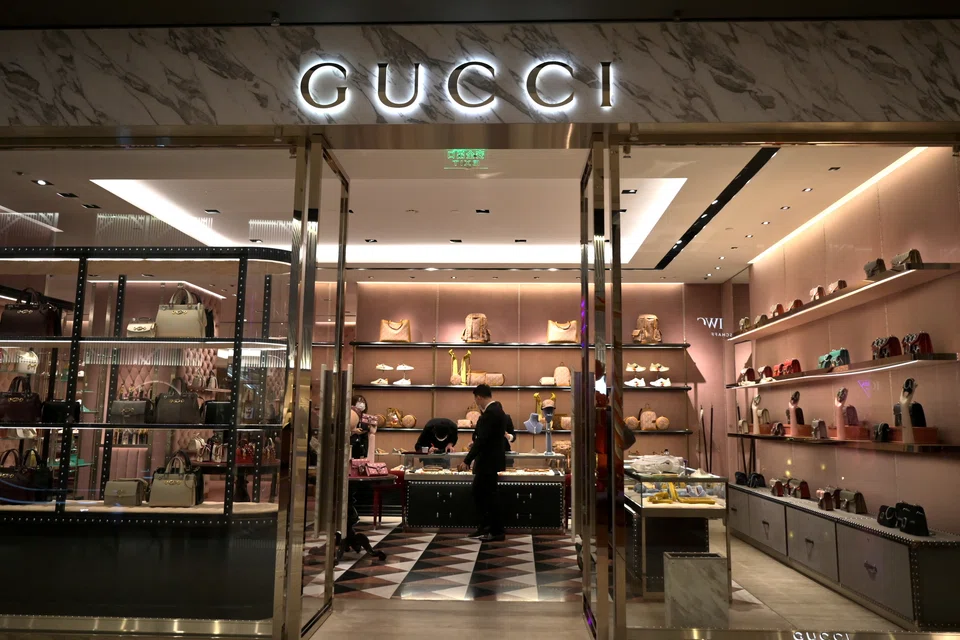
    • The conversation around luxury handbags is shifting towards one based on appreciation and investment value.
    • The conversation around luxury handbags is shifting towards one based on appreciation and investment value. REUTERS

    Stephanie Lim Pierce

    MORE women are in the workforce than in previous generations, and the number of high net worth and ultra-high net worth women is increasing year on year. What are these women buying, and how is this changing the luxury assets landscape?

    Items such as art, wine, classic cars, watches and jewellery are usually included in luxury asset lists. These are assets that combine cultural cachet with perceived investment value. They are also assets that are either traditionally considered to be genderless, targeted at men or bought by men for women. Women can and do buy all of the above but there is another fast-growing asset class that is overwhelmingly consumed by women – luxury handbags. However, a handbag has traditionally been considered as a more frivolous purchase than other luxury items. Why? And is this still the case?

    Taking a step back, the primary purpose of a luxury asset is personal enjoyment; it is not a necessity for daily living. Over the years, the concept of luxury assets has aligned itself with the concept of investment - as something that could retain, or in some cases, increase in value, and possibly become an heirloom to be passed down the generations. Certain luxury brands even have well-known marketing campaigns that reinforce this idea. In that sense, certain luxury assets are seen as less frivolous than others because of this idea of long-term value that extends beyond the lifetime of the purchaser.

    Most handbags are naturally depreciating assets. However, the same can be true of cars, art and racehorses. Aside from a few standouts, those assets are usually accepted purely for their beauty, rarity and craftsmanship as well as the personal enjoyment and cultural cachet they bring to the owner, even if they don’t always represent a return on investment. Yet somehow these were historically considered as a less “frivolous” luxury asset than a handbag. This may have been because handbags were almost exclusively marketed towards and worn by women. The true functionality of a handbag was only appreciated by someone whose apparel choices rarely include usable pockets.

    With the continuing rise of high net worth and ultra-high net women, this perception is simply unsustainable in the luxury assets market. This increase in financial freedom means more women can purchase items purely for their personal enjoyment than before. This has changed the conversations around traditionally “female” assets, such as the handbag.

    Asean Intelligence

    Get insights into businesses across South-east Asia

    Get the free report

    Charlotte Rogers, luxury accessories expert and director at EKC Luxury, has seen a noticeable shift in perception: “My husband is a watch dealer and I am a handbag dealer and so we see first-hand how the relationship between how these luxury goods are received by the consumer has changed. We would often hear in our shop, when ladies and gents were shopping, that there was a strong bias towards buying ‘gents luxury’ and ‘mantiques’ as investments. ‘Frivolous’ handbags were consumed as a bit of fun or a ‘treat’. That has all changed. The buzz around the luxury handbag market and well-publicised prices that uber luxe bags such as the Niloticus Hermes Birkins have made at auction has led to all luxury handbag purchases being taken much more seriously. “

    There is a growing trend for acquiring certain handbags not only for personal pleasure but as potentially very valuable investments. Hermes Birkins sold on the resale market are more expensive than they are in store – which means that if you buy a Birkin from Hermes your asset will have increased in value as soon as you walk out of the store. Hermes achieves this by making the availability of its product scarce and by only offering certain models (like the Birkin) to select customers who have a purchase history at Hermes as well as a good relationship with a specific sales associate.

    Hermes is not the only notable name, however. The continued Chanel price increases, which have caused a great deal of outrage and consternation among many of the brand’s devotees, have rocked the re-sale market. If you bought a Chanel classic medium flap bag in 2012 for nearly US$4,000, that same bag sells new in the boutique for nearly US$9,000 in January 2022 (and rising). Even with a discount, that represents a resale value of almost double the original investment over 10 years, and the Chanel medium classic flap is not even a rare bag (at least, not yet).

    Resale value of course varies with wear and tear and whether the original packaging and receipts are retained, but the price of a classic flap has risen so much that even a well-worn vintage Chanel can still fetch a surprisingly high resale value. Consumers are increasingly becoming wise to this and, along with retaining the original packaging and receipts, are taking greater care of their bags - in some cases not using them at all. There is also a sustainability angle which Rogers identifies as one of the key factors in the rise of the resale market: “The impact of manufacturing new items on the environment is more important than ever and something considered keenly by female consumers. The circular economy has a certain ‘feel-good factor’ and saving the planet while shopping is a huge draw.“

    The conversation around luxury handbags is shifting towards one based on appreciation and investment value. Whilst this is not true of all handbags, just as it is not true of all watches or cars, there has been a clear and unprecedented rise in the pre-loved luxury handbag market fed by their increasing investment value. This rise has been informed by the desire for environmental sustainability, scarcity of high-quality premium brand pieces, and the increased spending power of women.

    The writer, a private wealth lawyer, is managing associate in the Singapore office of Mishcon de Reya LLP

    Decoding Asia newsletter: your guide to navigating Asia in a new global order. Sign up here to get Decoding Asia newsletter. Delivered to your inbox. Free.

    Share with us your feedback on BT's products and services