WEALTH & INVESTING

Learning from the world’s greatest investors on avoiding investment scams
    • Warren Buffett, chairman and chief executive officer of Berkshire Hathaway., during the company's annual meeting in Omaha, Nebraska, in 2022. Berkshire's annual return was 9.34 per cent from January 2002 to December 2021.
    • Over a 30-year investment period in the S&P 500 index fund, your annual returns might range from 7.8 per cent to 14.8 per cent, with average annual returns of around 11 per cent, based on 95 years of data from 1926 to 2020.
    • Gold did very well in two distinct periods – the annual return was close to 29 per cent in the 1970s and 14 per cent in the 2000s.
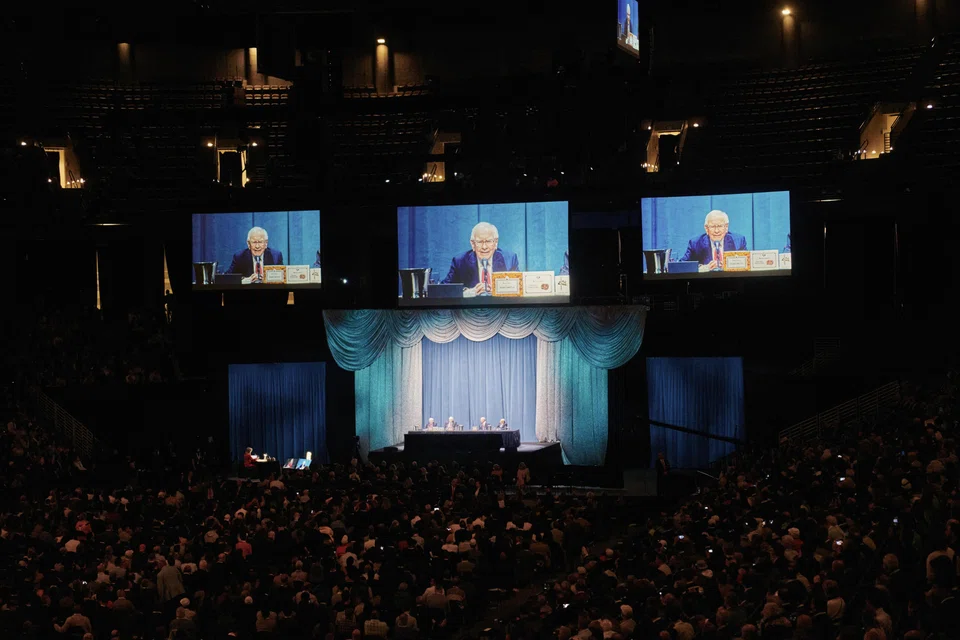
    • Warren Buffett, chairman and chief executive officer of Berkshire Hathaway., during the company's annual meeting in Omaha, Nebraska, in 2022. Berkshire's annual return was 9.34 per cent from January 2002 to December 2021. PHOTO: BLOOMBERG
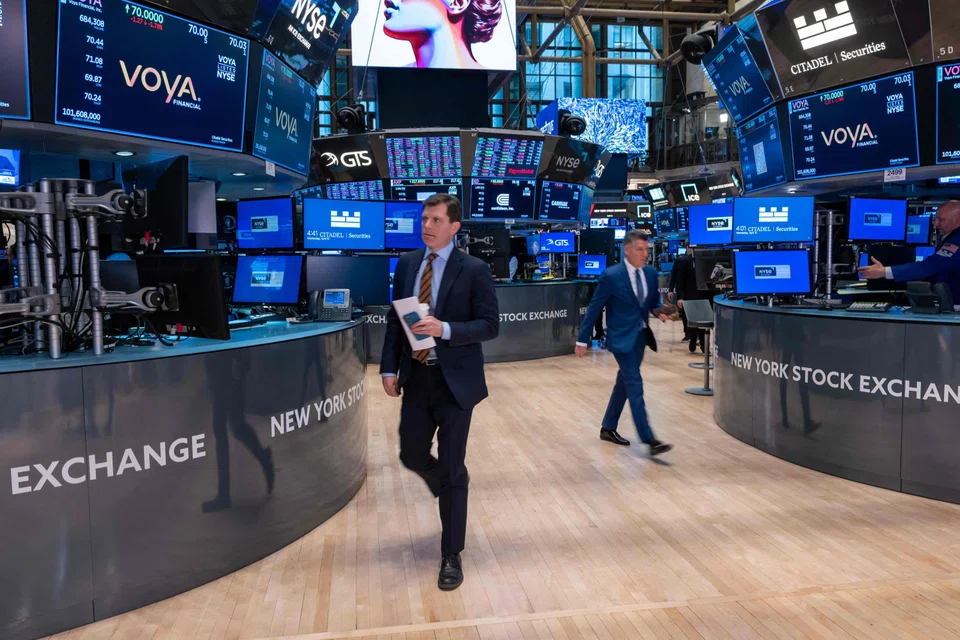
    • Over a 30-year investment period in the S&P 500 index fund, your annual returns might range from 7.8 per cent to 14.8 per cent, with average annual returns of around 11 per cent, based on 95 years of data from 1926 to 2020. PHOTO: AFP
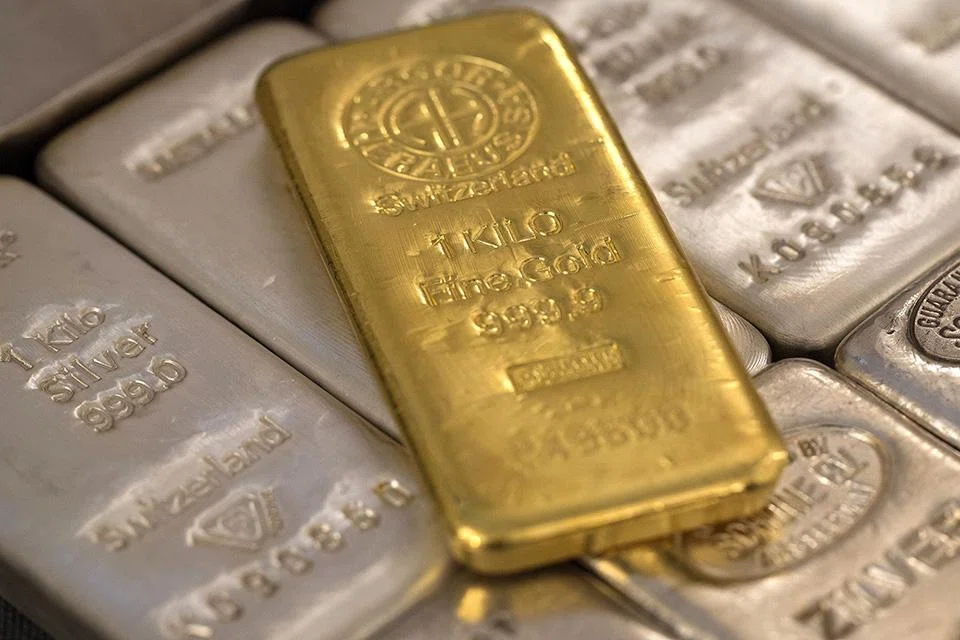
    • Gold did very well in two distinct periods – the annual return was close to 29 per cent in the 1970s and 14 per cent in the 2000s. PHOTO: BLOOMBERG
    Published Sat, Jun 15, 2024 · 05:00 AM

    IT IS sad to hear about more and more people falling into investment scams. The misfortunes have led to billions of dollars being lost, and hundreds of families ruined.

    This is typically what happens: Potential investors come across an “outstanding” investment firm or fund on social media or are introduced to it by friends or relatives. After being convinced by strong persuasion or a glib pitch, the investors decide to part with their money, drawn by the prospects of high returns without due attention to the risks. Later, the investors see their money vanish.

    Is there anything we can learn from the world’s greatest investors on avoiding investment scams?

    Let us look at the track records of who are probably the three greatest investors in the world: Jim Simons, George Soros, and Warren Buffett.

    First, Simons’ Medallion Fund delivered (gross) returns of about 66 per cent annually from 1988 to 2018. Your $1,000 invested with them from Day One would turn into $4 billion over the 30 years. The problem is that the fund was so good at investing money that it decided a long time ago to return money to outside investors. It only invests money for itself. The takeaway is that if a fund is so good, it probably will not even need your money.

    To date, I do not think anyone in the world has managed to crack the code on Medallion’s money-making secret. If anyone tells you they can mimic Medallion’s performance and trades, and you should invest with them, run! It is probably a scam.

    Second, Soros’ Quantum Fund produced returns of about 32 per cent annually for about 32 years, from 1969 to 2000. An initial $1,000 invested with them would grow to $7.2 million over the period. The problem is that it is probably as hard to pick the fund in advance as it is selecting an outstanding stock. Also, the fund only let in just some outside investors during its operation.

    Next, the LTCM Fund. The fund was staffed by the best brains of Wall Street at that time. It also had two Nobel laurates – economists Robert Merton and Myron Scholes – as its advisers. The fund delivered returns of between 20 and 40 per cent annually in its first four years, and then blew up in 1998.

    Assuming you had privileged access to LTCM Fund; was it not probably the case that you chose to invest in the fund based on its luminous staff lineup and sterling performance?

    Finally, Buffett’s Berkshire Hathaway delivered about 20.5 per cent annually from 1965 to 2018. Your $1,000 investment in its public listed share in the US would have grown into about $24 million; assuming you could invest in the share for 54 years.

    What’s the catch? You need to have a very high risk tolerance. The share suffered a 37 per cent decline in 1987, another 37 per cent fall during 1989/1990, a 49 per cent plunge during 1998/2000, and another 51 per cent thrashing during 2007/2009. I guess each time the severe price plunge happened, investors might have wondered if Buffett had lost his touch?

    In short, the world’s greatest investors could deliver annual returns of between 20 and 66 per cent in the long term, but all these out-performances come with risks. These investors also deal in multi-asset classes such as stocks (US and non-US), bonds, commodities and/or currencies.

    Yet, investment funds promoted on social media or other channels are offering returns of 10 to 15 per cent a month – or even 3 to 5 per cent a day – with “no risks”. Such high-performing funds do not exist as their returns are just so outlandish. These are probably scams; avoid them like the plague.

    Take the case of the now defunct investment firm Genneva. Between 2008 and 2012, the company offered its customers annual returns as high as 36 per cent. It was probably the biggest gold scam in Singapore and Malaysia.

    The initial capital was fully guaranteed as customers can sell back the gold bars to the company at the original price they paid.

    By the way, the annual return was 7.9 per cent for gold and 10.8 per cent for the S&P 500 stock index from 1971 to 2023. However, gold did very well in two distinct periods – the annual return was close to 29 per cent in the 1970s and 14 per cent in the 2000s.

    Also, gold is more volatile than US stocks.

    The next time investors are being offered extremely high returns on gold, they should look up the metal’s past annual returns to see if the “projected” or “promised” return is anywhere near the realm of reality.

    So, what should most investors invest in?

    At the 2020 Berkshire Hathaway shareholders meeting, Buffett opined that most people should just buy index funds. He said: “In my view, for most people, the best thing to do is to own a S&P 500 index fund. People will try and sell you other things because there’s more money in it for them if they do.”

    How about Buffett’s Berkshire stock?

    I did a study on the stock’s recent 20-year performance. Its annual return was 9.34 per cent from January 2002 to December 2021. Lately, it has also lagged the S&P 500 index returns – and that bring us to the point on index funds.

    Over the long term, the S&P 500 index delivered about 10 per cent annually. If you make an investment of $600 a month for 30 years, the accumulated amount would likely turn into $1 million in 30 years. Alternatively, if you make an initial investment of $60,000 and let it compound at 10 per cent for 30 years, the initial amount will grow to $1 million by the end of the period.

    Research shows that in a 20-year investing time frame, the annual returns of the passive index fund also beat about 95 per cent of actively managed mutual funds. Mind you, mutual funds are often staffed with star managers and good analysts. They also have superior research resources and privileged companies visits.

    Again, what makes you so sure that you can pick an investment fund that can beat the S&P 500 index fund over the long term?

    Pros and cons

    Here’s the good news on a 30-year investment in the S&P 500 index fund: Based on 95 years of data from 1926 to 2020, your annual returns might range from 7.8 per cent to 14.8 per cent, with average annual returns of around 11 per cent.

    Why invest for 30 years or more? This is because this long-time investment horizon is most likely to yield a positive and good return.

    Importantly, money takes time to grow, and here we are talking about years or even decades.

    What about the bad news? The bad news is there will be numerous declines over the years. Your initial $1 million could even decline to about $200,000. You might also see your investment in the red for 10 years or more. Do you have the stomach and tenacity for the ride?

    And not least, could the index fund repeat its good investment returns for the next 30 years? Well, it probably could, and this brings us to our final point: there is no certainty in financial markets.

    In sum, here are some rules of thumb to remember:

    • Be wary if someone or some funds offer you investment returns that exceed what the world’s greatest investors could deliver
    • Be wary if you are being offered a sure-win investment or fund because there is no certainty in financial markets
    • Investment returns inevitably come with risks
    • Run if you are being offered high investment returns without risks
    • Resist the temptation to get rich quick as money take time to grow
    • It is awfully hard to find beforehand an investment fund that can beat the S&P 500 index fund over the long term. Here we are only talking about an annual return of 10 per cent
    • High performing investment funds are even harder to come by. If you find one, it’s likely that you could be facing an investment scam

    By the way, if you are considering an index fund, go about it via official platforms such as your bank or a regulated brokerage firm. Also, do more research prior to your investment. When it comes to the fund or projected returns, do not just take anyone’s word for it.

    The writer is a private investor. He was previously a researcher at an international business school in Europe, and an Asia-Pacific director at multinational corporations.