Navigating a future market sell-off
The challenge is not predicting when it will occur, but dealing with it without undermining long-term outcomes
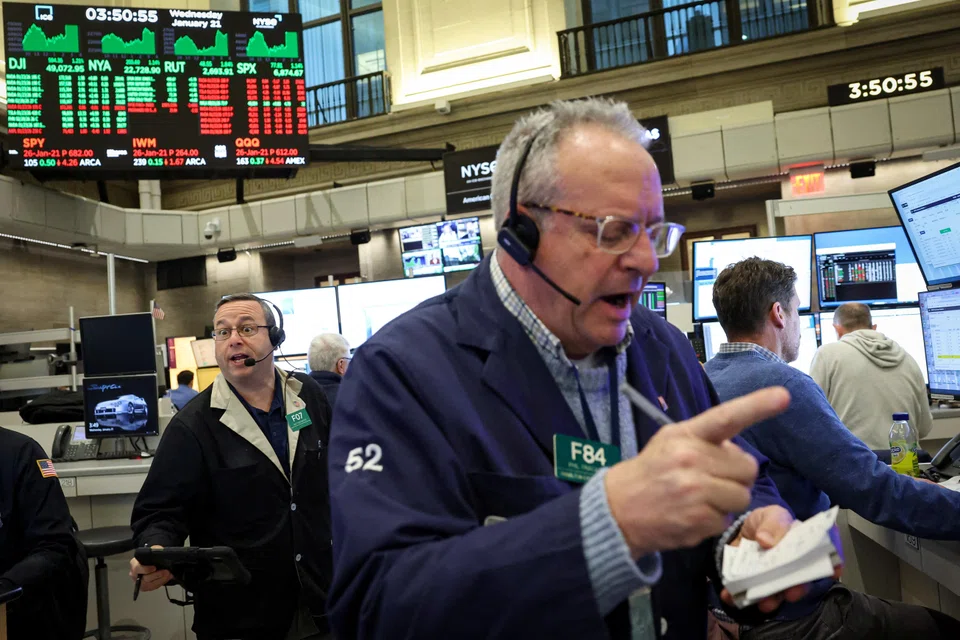
GLOBAL market sell-offs rarely begin with a sudden collapse in economic activity. More often, they start with a repricing of uncertainty. When investors lose confidence in the outlook, whether due to policy shifts, geopolitical tensions, inflation persistence, or tighter financial conditions, asset prices adjust quickly, often well before the real economy shows visible stress.
For Singapore-based investors, this pattern is familiar. As a small, open economy deeply integrated into global trade and capital flows, Singapore tends to feel shifts in global sentiment early. Equity corrections of 10 per cent or more are not unusual, and many do not turn into prolonged bear markets. The real challenge is not predicting when sell-offs will occur, but navigating them without undermining long-term outcomes.
How sell-offs tend to unfold
Sell-offs often follow recognisable patterns. Shares that previously drove market gains, especially high-valuation growth and technology stocks, are often the first to be sold as investors reduce risk. Capital rotates towards defensive sectors with steadier demand and cash flows, such as healthcare, consumer staples and utilities. This is less a flight from markets than a recalibration of risk tolerance.