

Near-term outlook for China okay but credit excesses pose risks
Investors are looking forward to more reforms to open up the economy and shift the focus to domestic consumption.
 Add BT as a preferred source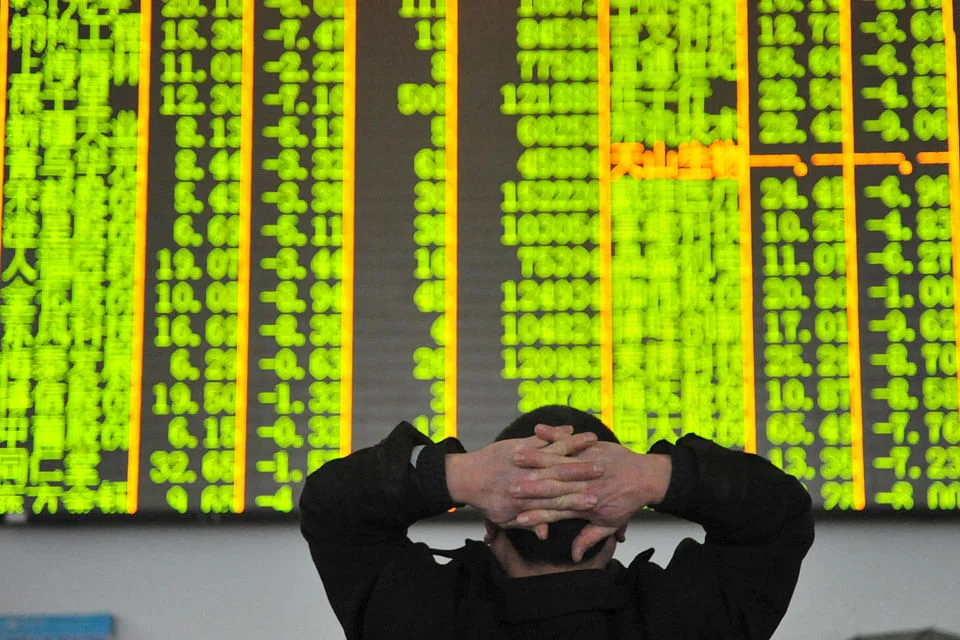
DeeperDive is a beta AI feature. Refer to full articles for the facts.
CHINESE companies reported a sharp profit upturn in the second quarter this year. Total earnings increased by 18 per cent year on year for all listed firms. If banks and petroleum firms were excluded, profits would have been a lot higher at 36 per cent. The positive feedback loop between profits and business activities has further to run. The sharp increase in earnings is due to a combination of rising sales and improving margins, underscoring a marked ease in deflationary pressures and a significant pickup in business activity in nominal terms. Secondly, the improvement in earnings is broad-based. Materials producers and energy companies have experienced a massive profit boom, particularly steelmakers. This means that the profit upturn has been driven by improvements in the broader economy, rather than specific government policies that benefit select industries.
Last but not least, the banking sector has also experienced a pickup in earnings growth, especially among large state-owned banks. More importantly, the asset quality of bank loans has also improved, albeit marginally. Non-performing loans and special-mention loans, which banks place closer scrutiny as borrowers face higher risks of default, have both begun to decline. It may be premature to declare the peak of China's NPL problem, but the profit improvement has certainly helped banks mend their balance sheets.
Meanwhile, the stronger-than-expected August Chinese PMI numbers suggest that economic growth in the third quarter would likely remain comfortably above the government's target. It is important to note that the recent rise in PMI has occurred in tandem with a continued decline in Chinese broad money growth, suggesting that the improvement in Chinese industrial activity has little to do with money and credit stimuli. It is also interesting to note that the trends of new orders and finished products inventory have diverged of late. New orders have stayed close to multi-year highs, while the inventory PMI has remained well below 50 since 2012, leading to a significant rise in the new orders-to-inventory ratio. In other words, manufacturers remain decisively in a destocking mood, despite the improvement in new orders. Looking ahead, should new orders remain strong, production will be supercharged, creating a buffer for manufacturing activity should orders roll over.
Share with us your feedback on BT's products and services
TRENDING NOW

Shelving S$5 billion office redevelopment plan proved ‘wise’ as geopolitical risks mount: OCBC chairman

Eurokars Group introduces rental car franchises Enterprise Rent-A-Car, National Car Rental, and Alamo to Singapore

20 photos that show how dramatically Singapore has changed in two decades
Singapore’s key exports up 15.3% in March from electronics surge, exceeding forecasts

