

Private-banking veteran out to raise clients' level of knowledge
This can only benefit the industry, says Kees Stoute.
Genevieve Cua
Singapore
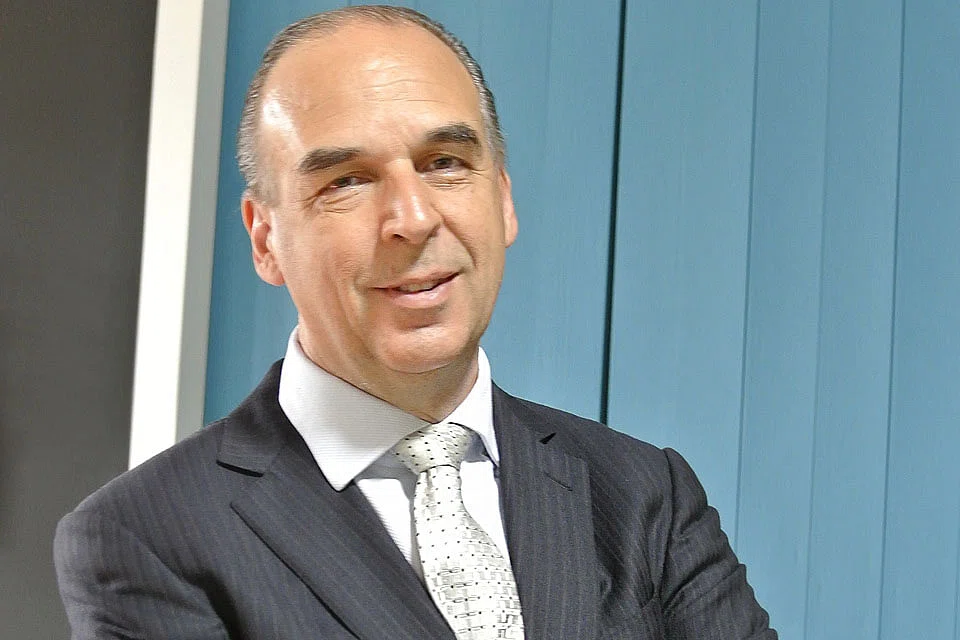
FORMER private banker Kees Stoute, an industry veteran, describes private banking as a "beautiful" industry, marred by unhappiness among bankers and clients.
Likening the paradox to "a beautiful soccer game that no one likes", he places the blame squarely on the deficit of trust in the industry - and not just a lack of trust between clients and bankers.
"The biggest obstacle is the lack of trust. Regulators don't trust banks and bankers. Clients don't trust the intention of banks and bankers. Often, bankers sell a product without knowing what a client really needs.
"A lot of bankers don't trust themselves. We still see bankers who would rather sell a product or position themselves as an order-taker or concierge. If I am a product-seller, I may convince you to buy a fund, and you would judge me on the performance of that fund. My problem is I can't control the performance of the fund. It makes for a very stressful life."
His career in private banking has included senior positions in Mees Pierson, Fortis and, most recently, EFG Bank, where he was managing director.
In 2012, after leaving EFG, he got into the business of education: he set up a firm, Sonam Pte Ltd, to offer courses and workshops for the industry. Last year, his book, Help, I'm Rich! Your Compass to a Value-Adding Private Banking Experience, was released by Wiley.
The objective of the book and the courses he runs is to raise the level of knowledge and financial sophistication among clients, which he believes will ultimately benefit the industry:
"Clients are the main beneficiaries of a well-functioning private banking industry. They're afraid to lose money, they don't know if they have enough, they struggle with the purpose of wealth, the education of children and succession planning.
"My philosophy is that, if clients better understand the value that a banker can offer, the likelihood of extracting that value is much higher. Informed clients will have more faith in the industry than ignorant clients."
Sonam offers courses along three broad themes:
* Next-generation programmes for children of high-net-worth families;
* A "value" programme for private banking practitioners to raise their awareness of their value-add potential; and
* A wealth psychology workshop for practitioners to better understand the human issues around wealth.
The book covers the building blocks of wealth management - investments, credit, life insurance and wealth structuring - but also gets into the psychology of wealth and how wealth can undermine emotional maturity, for instance.
Mr Stoute said good bankers would be able to have fairly intimate conversations with their clients - not just about their financial objectives, but also about the more challenging and often intangible issues linked to wealth.
"A good banker will have a conversation with clients about their dreams. 'Calculate the amount you need to have for the life that you want. Maybe you'll discover that if you work two more years, you will have enough'," he said.
Money can wreak havoc on relationships and this is the harder part. "Money does something to people and makes it really hard to live a happy life. You get the wrong friends and sometimes think you can buy things to suppress unhappiness. It takes over your life and you forget to ask yourself what you want with your life and how you can use your money to get there. A good banker can have these conversations with people."
While bankers have a role to play to ensure a good relationship with their clients, the clients must also play their part, he said. "If you speak to a European or Western client, once you have the chemistry, they pull out papers and tell you everything. They ask you to interfere with their lives. In Asia, the level of trust is lower. People say: 'I don't know what this guy is up to, so I'll just give him just a little money', but slowly, you may see more of it."
He strongly encourages clients to open up to an adviser they trust. It is important for the client to have a fair idea of what he or she is expecting, he said: "The more you are prepared before you deal with the bank, the more value you can extract from the industry. Then I don't think it matters which bank you deal with. You have top bankers everywhere."
He said he has met good bankers, who subsequently became independent wealth managers; some banks seek to retain the business by offering transactional platforms and products to independent managers.
But Mr Stoute believes that the loss of such talents is still a loss to the institution. "I have seen excellent people in some banks who have a really good relationship with clients."






