Savings from US tax cuts unleashing a bonanza of stock buybacks
New York
PRESIDENT Donald Trump promised that his tax cut would encourage companies to invest in factories, workers and wages, setting off a spending spree that would reinvigorate the American economy.
Companies have announced plans for some of those investments. But so far, they are using much of the money for something with a more narrow benefit: buying their own shares.
Those so-called buybacks are good for shareholders, including the senior executives who tend to be big owners of their companies' stock. A company purchasing its own shares is a time-tested way to bolster its stock price.
But the purchases can come at the expense of investments in things such as hiring, research and development and building new plants - the sort of investments that directly help the overall economy. The buybacks are also most likely to worsen economic inequality because the benefits of stocks purchases flow disproportionately to the richest Americans.
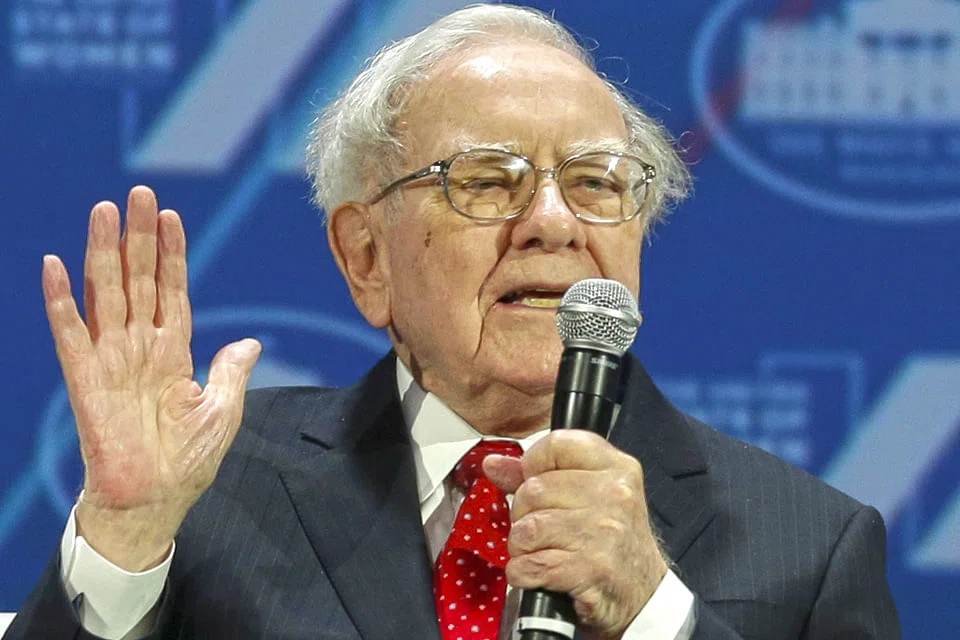
The tax overhaul is the cornerstone of Mr Trump's economic plan. It has been a big win for companies, offering lower corporate rates and a permanent break on overseas profits. Warren Buffett said in his annual letter to investors on Saturday that his company, Berkshire Hathaway, enjoyed a US$29 billion gain thanks to the new tax law.
What companies do with the trillions of dollars they're bringing back to the United States, and the money they will save each year on their tax bills, will in large part determine whether the plan is a success or a failure.
As the tax cuts kick in, companies have laid out a variety of uses for the money. Some are paying out one-time bonuses to employees. Others are raising salaries. Others plan to open new factories.
In the fourth quarter, US companies' investments in things like factories and business equipment grew 6.8 per cent. That was the fastest growth rate since 2014, but far from the giant surge in capital spending that was promised before the tax overhaul.
But the buying back of shares is also at record levels.
Almost 100 US corporations have trumpeted such plans in the past month. US companies have announced more than US$178 billion in planned buybacks - the largest amount unveiled in a single quarter, according to Birinyi Associates, a market research firm.
Such purchases reduce a company's total number of outstanding shares, giving each remaining share a slightly bigger piece of the profit pie.
Cisco said this month that in response to the tax package, it would bring back to the United States US$67 billion of overseas cash, using US$25 billion to finance additional share repurchases.
Alphabet, the parent company of Google, authorised up to US$8.6 billion in stock purchases. PepsiCo announced a fresh US$15 billion in planned buybacks.
Chip gear maker Applied Materials disclosed plans for a US$6 billion programme to buy shares. Late last month, home improvement retailer Lowe's unveiled plans for US$5 billion in purchases.
On Monday, Mr Buffett said on CNBC that Berkshire might be open to buy some of its shares. The remarks helped send Berkshire's stock - and the broader market - higher.
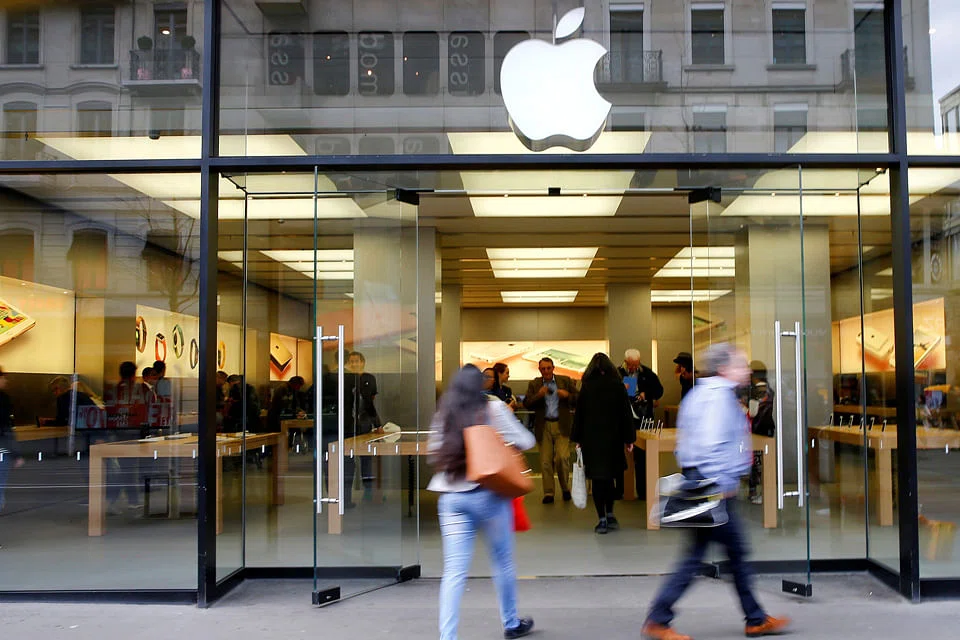
More buybacks are certainly on the way. UBS analysts covering Apple said the iPhone maker might authorise another US$30 billion in share purchases when it reports its next quarterly earnings in April. That would be on top of the US$30 billion it already spends each year to buy back its shares.
"I'm expecting buybacks to get to a record for 2018," said Howard Silverblatt, a senior index analyst with S&P Dow Jones Indices. "And if I'm disappointed, there's a lot of people with me."
The flurry of planned buybacks has been good for the stock market. Early this month, stocks were down more than 10 per cent from their January peak. The prospect of companies flooding markets with "buy" orders helped the market recoup some of its losses.
The broader impact on the economy is less clear. Economists believe a rising stock market benefits the economy, helping support consumer and business confidence. But the vast majority of the billions of dollars in planned share purchases will benefit the richest 10 per cent of US households, who own 84 per cent of all stocks. The top one per cent of households own about 40 per cent of all stocks.
Ultimately, the effect of the rising stock market depends on how those wealthy investors use their windfall. It helps the economy more, for example, if they put the money towards productive new companies than if they invest in government bonds.
Companies typically decide to make long-term investments in things like new workers and factories based on whether they will make the company more profitable - not merely because the companies are sitting on a pile of money that they otherwise would have paid in taxes.
At a news conference last Thursday, the head of the White House's Council of Economic Advisers, Kevin Hassett, acknowledged that many companies were spending money on buying their shares.
"Right now we're going to have an adjustment where you see probably more dividends and share buybacks than wage increases," Mr Hassett said. "But going forward we're going to see a lot of capital formation and wage growth."
Some economists think the surge in share buybacks has something to do with the relative decline in capital investments, which recently have been lower than expected.
"We have some causal evidence that because of short-termism companies are doing some stock repurchases that maybe they shouldn't do," said Heitor Almeida, a professor of corporate finance at the University of Illinois at Urbana-Champaign. "And maybe that's causing them to reduce investment." NYTIMES