

Shopping for dividends
Not all supermarket stocks are the same, even though many may look alike
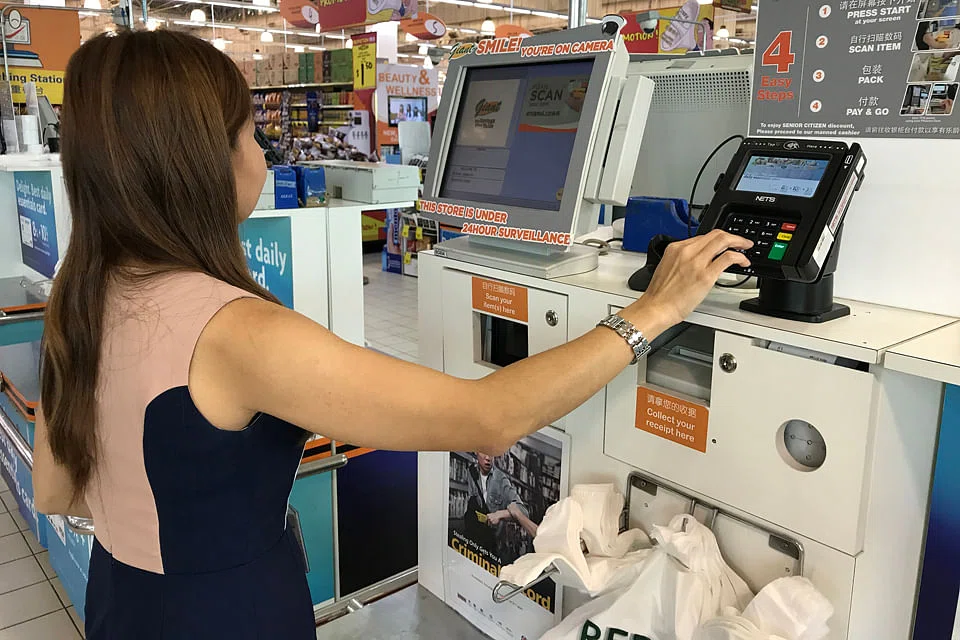
I REMEMBER a time when grocery shopping was a burden. Some people might say that it still is. But it's nothing compared to when I was a child. In those days, we went to a butcher for meats, a greengrocer for fruit and vegetables, and separate trips to different specialists for bread, rice, fish and other provisions.
But supermarkets changed the way we shop. Everything has been brought under one roof. These days, we can even do our regular shopping online. Supermarkets are everywhere. They are available on our phones too. We don't even have to get up from our sofas to fill our pantries and refrigerators, if we can't be bothered to.
So, it is not surprising that food retailing is big business. Globally, the grocery sector was worth almost US$8 trillion in 2016. And it's growing. It is estimated that by 2021, it could be worth almost US$11 trillion. That's a projected growth rate of 6 per cent annually. It is little wonder that existing players are competing to not only retain but also increase their share of a growing pie - often putting once-loved "mom and pop" stores out of business. Convenience has its price - nice for some but not for the inconvenienced.
In Asia, grocery shopping is expected to grow steadily by about a third from US$3 trillion in 2016 to US$4 trillion by 2021. So, steady and growing businesses, even in mature industries such as supermarkets, can be interesting investments, especially if sustainable dividends are part of the deal. But it's important to understand what we are buying. Not all supermarkets are the same, even though many may look alike.
One measure of an efficient supermarket is how quickly it can convert inventory into sales, before it needs to pay its suppliers. The shorter the cash conversion cycle, the better because nobody wants to pay for wilted spinach, over-ripe mangoes and mouldy strawberries. It can also be a sign of a grocer's bargaining power, if it can negotiate favourable credit terms.
On this score, supermarkets fare quite well. The median cash conversion cycle is minus 15 days. Consequently, some supermarkets have sold their inventory nearly a fortnight before they must settle their bills. It also means that they don't require much external funding because they are, in effect, being financed by their suppliers.
The ability to generate sacks of cash from every dollar of asset employed is another attractive attribute of supermarkets. It is vital that they can do this in a fast-moving consumer goods sector, such as grocery retailing, where profit margins can be wafer-thin. The average net profit margin of supermarkets over the last decade was below 2 per cent. In other words, they make less than $2 for every $100 worth of stuff in our shopping trollies. But supermarkets compensate for the low margin with around $2 of sales on every dollar of asset employed.
That said, asset turnover varies considerably. Costco Wholesale, which operates a members-only, bulk-purchase, out-of-town retail model generates more than $3.50 annually on every dollar of asset employed. Singapore supermarkets Dairy Farm International and Sheng Siong generate around $2 annually on every dollar of asset employed.
The power of a high asset turnover should not be underestimated. It can be an important driver for the returns that supermarkets generate for investors. On average, supermarket investors can expect around $13 of net profit on every $100 invested, which is quite high.
On its own, a high return on equity could already be a sign of a good investment. But when the high return is coupled with a high retention ratio, then it could be even better news. After all, the retention ratio measures the proportion of profit that a company puts back into its business. So, if the money retained can generate a high return, then future payouts could be higher.
Over the last decade, supermarkets have retained nearly 60 per cent of their profits. That together with a return on equity of 13 per cent implies that future dividends could grow at a rate of about 7 per cent. And many supermarkets have. Since 2006, Dairy Farm has grown its payout 8.7 per cent annually, while Wal-Mart has increased its dividend around 7 per cent a year. Costco Wholesale has grown its dividend 13 per cent annually, and Japan's Aeon has grown its dividends 10 per cent a year.
Currently, the median dividend yield for supermarkets is 2.5 per cent. That might seem paltry. But with a dividend growth rate of 9 per cent, that 2.5 cent payout today could grow to five cents in eight years. That would equate to a yield on cost of 5 per cent. And if the dividend yield should still be at 2.5 per cent in eight years, then it could mean that the shares could have doubled in price.
(Disclaimer: David Kuo owns shares in Dairy Farm International)
TRENDING NOW

Easy to rent out, hard to sell: Are buyers losing interest in Singapore’s one-bedroom condos?

GovTech retrenches another 38 staff in second round of layoffs

Stocks to watch: Seatrium, CapitaLand Investment, Keppel DC Reit, Suntec Reit, CLCT, TSH Resources

World’s largest offshore wind platform by Seatrium consortium on track to be completed by 2028

