Singapore equities may still gain as Fed steps up pace of rate hikes
With the Fed looking to step up the pace of rate hikes, how might Singapore’s equity market be affected?
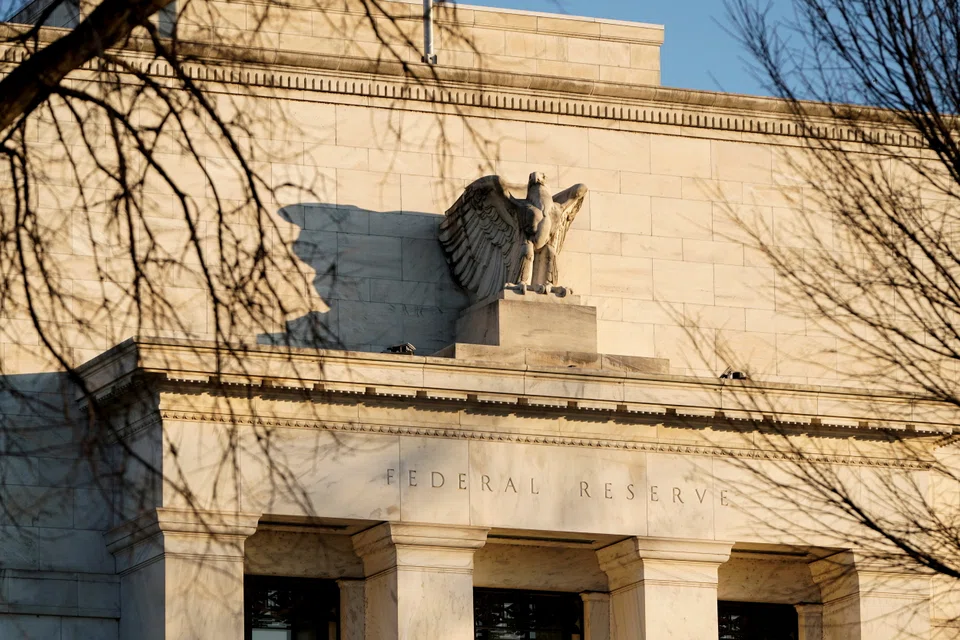
SINCE March 2022, the Federal Reserve has already raised interest rates twice. The central bank kick-started the current rate hike cycle by raising rates 25 basis points (bps) in March, followed by a 50 bps rate hike in May – the steepest increment since the year 2000.
More importantly, Fed minutes indicated that the central bank is likely to step up the pace of rate hikes, which could see rates go as high as 2 per cent this year. In addition, it has plans to reduce the size of its balance sheet by up to US$95 billion per month starting in June, which should further tighten financial conditions. Prior to the March meeting, Fed officials were much less hawkish, only signalling about 3 to 4 rate hikes this year.
This dramatic shift in interest rate policy comes as the Fed is now more attuned with the reality that inflation is no longer transitory, and that higher prices are here to stay. In April, consumer prices showed little signs of cooling, rising by 8.3 per cent year-on-year – exceeding all estimates. There has also been a noticeable uptick in services inflation, as spending shifts from goods to services with the reopening of the economy.
While inflation is expected to slow in the coming months due to base effects and the easing of supply chain bottlenecks, it is highly unlikely that it will fall back down to pre-pandemic levels by the end of the year.
Right now, there are still several upside risks for inflation, such as the Russia-Ukraine crisis, Covid-19 lockdowns in China and rising global food protectionism – all of which have the potential to add to inflationary pressures but are beyond the control of the Fed.
Over the past few weeks, Federal Reserve Chair Jerome Powell has repeatedly stressed the need to curb inflation, and has made it clear that the Fed will keep raising rates until there is “clear and convincing” evidence that inflation is falling.
With the Fed determined to bring prices down as quickly as possible, rate hikes are likely to be front loaded. That said, there is a good chance that we could see multiple 50 bps rate hikes in the coming months before the Fed reverts back to 25 bps rate hikes once inflation demonstrates more concrete signs of cooling, and as we approach the neutral rate (estimated to be somewhere between 2.5 per cent and 3 per cent).
Possible implications on Singapore
As a small and open economy, interest rates in Singapore are largely determined by global interest rates movements, such as the Fed Funds Rate. As such, we can expect rates in Singapore to rise in tandem with the US like they have done so on many occasions in the past.
Generally, a sharp rise in interest rates is likely to result in a slowdown in economic activity, which may have an adverse effect on equity prices. Riskier assets, such as SPACs, meme stocks and growth stocks that are richly valued but have negative earnings – including certain software stocks – are likely to be hit the hardest as rates rise.
As inflation remains elevated and financial conditions tighten, businesses are likely to be faced with tougher operating conditions such as higher input, borrowing costs and deteriorating margins. This could result in lower earnings growth and hence lower equity prices. Companies without pricing power, and those that rely heavily on debt financing are also likely to experience greater margin compression.
Businesses may also dial back on expansion plans, which could potentially have a negative impact on the labour market. A strong labour market is often synonymous with healthy consumption growth, as consumers who are feeling optimistic about their finances and the economy tend to spend more.
Needless to say, higher interest rates can also have a direct impact on consumers as the cost of borrowing for consumer loans such as mortgages and auto loans are set to rise. Combined with the general increase in the cost of living due to inflation, consumer spending may start to slow in the months ahead.
Potential for STI to outperform
While the outlook for Singapore is definitely not as rosy as before, there are still reasons to be optimistic. Firstly, the heavier weighting of the Straits Times Index (STI) towards value oriented sectors such as financials should enable it to be more resilient compared to growth heavy markets such as the US and China during periods of rising rates.
Banks, which account for more than 40 per cent of the STI, tend to thrive in a higher interest rate environment as their net interest margin widens. And given that more than 50 per cent of the banks’ revenue comes from net interest income, higher interest rates will most likely benefit Singapore banks. On top of that, loan growth and fee income such as credit card and wealth management fees should also start to pick up as the economy reopens.
Continuing with the topic of reopening, real estate investment trusts (Reits) – which make up about 20 per cent of the STI – is another sector that could potentially benefit as well. Reits tend to be cyclical in nature, which should see them benefit from the ongoing economic recovery. On top of that, Reits can also provide protection during periods of rising inflation, as rents and property prices rise.
Consequently, Singapore’s equity market may see more inflows as investors seeking shelter from the carnage in growth stocks caused by rising rates rotate into more value oriented markets like Singapore.
In a nutshell, the current environment still remains favourable to Singapore equities. Investors who are worried about rising rates and would like to incorporate some value exposure into their portfolios should consider Singapore equities as a tactical allocation.
The writer is assistant manager of the Research & Portfolio Management Team at FSMOne.com.